Dall-E : AI-driven tools

Dall-E : AI-driven tools

designed to generate high-quality images

DALL·E is an advanced AI-driven tool designed to generate high-quality images from textual descriptions. Developed by OpenAI, it represents a significant leap in the field of artificial intelligence, blending natural language processing with visual generation. At its core, DALL·E operates by taking a user’s text input, analyzing it for meaning and style, and then producing corresponding visual art that mirrors the described scene or concept. This tool is part of OpenAI’s broader vision to create AI systems that can understand and generate creative content across diverse domains.

One of DALL·E’s most notable features is its ability to translate text into images with remarkable accuracy. Users can describe anything from abstract concepts to specific scenes, and the tool generates visuals that align with the text’s nuances. For instance, describing a “neon-lit city at night” results in an image that captures the vibrant lights and dynamic atmosphere of such a setting. Additionally, DALL·E supports various artistic styles, allowing users to customize outputs by specifying parameters like color schemes, texture, or artistic movements. This flexibility makes it a powerful tool for artists, designers, and content creators who need to visualize their ideas quickly and creatively.

The development of DALL·E also highlights advancements in machine learning and neural networks. It is trained on vast datasets of images and text, enabling it to recognize patterns and generate new content that extends beyond simple mappings of words to visuals. However, its effectiveness relies on the quality of the training data and the sophistication of its algorithms. OpenAI continuously refines DALL·E to improve its performance, ensuring that it can handle increasingly complex and detailed requests. Despite its capabilities, DALL·E is not a substitute for human creativity; it serves as a complementary tool that can enhance artistic expression and problem-solving.

In practical applications, DALL·E has been used in numerous fields. In the arts, it has helped generate unique paintings and illustrations that would be difficult to create manually. In education, it can create visual aids for complex concepts, making learning more engaging. Designers use it to experiment with layouts and color schemes, while marketers leverage it for generating concept art or social media content. Moreover, DALL·E’s ability to generate images from text opens possibilities in virtual reality, gaming, and digital storytelling. However, its use also raises ethical concerns, such as the potential for misuse in creating deepfakes or generating content that could be harmful. As with any powerful technology, responsible usage and ongoing oversight are essential to ensure its benefits are maximized while minimizing risks.

In conclusion, DALL·E stands as a testament to the convergence of AI and creativity, offering users a new dimension of visual expression. While it pushes the boundaries of what is possible, its impact depends on how it is integrated into everyday life. As AI continues to evolve, tools like DALL·E will play a crucial role in shaping the future of creative industries, fostering innovation while emphasizing the importance of ethical guidelines.

Current News in Art

Current News in Art

AI, Metaverse, and the Future of Creativity

The art world has become a battleground of innovation, ethics, and digital transformation. Artificial intelligence (AI) has evolved from a tool for generating art to a collaborative partner in creative processes. AI-driven tools like DALL·E and Midjourney have become mainstream, with artists integrating generative algorithms into their workflows. The 2026 Art Basel fair saw a surge in AI-generated works, such as Portrait of the Artist in a Room (sold for £1.2 million in 2023), but debates persist: Is AI art “authentic” or a mere mimicry of human creativity? Critics argue it undermines artistic value, while proponents see it as a democratizing force that challenges traditional gatekeepers.

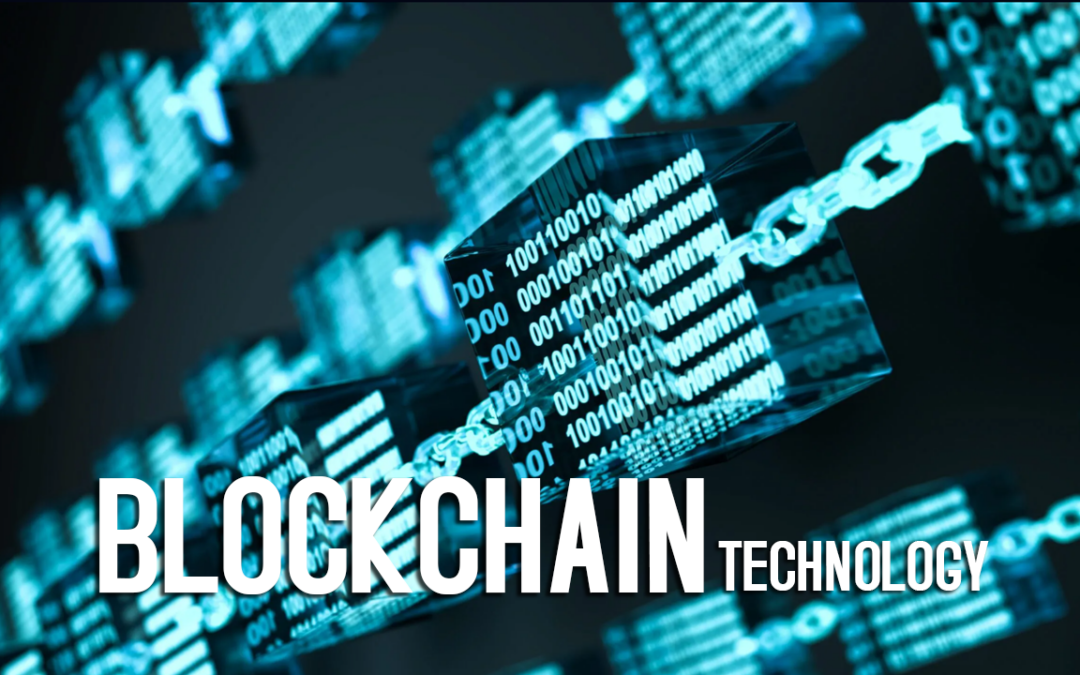
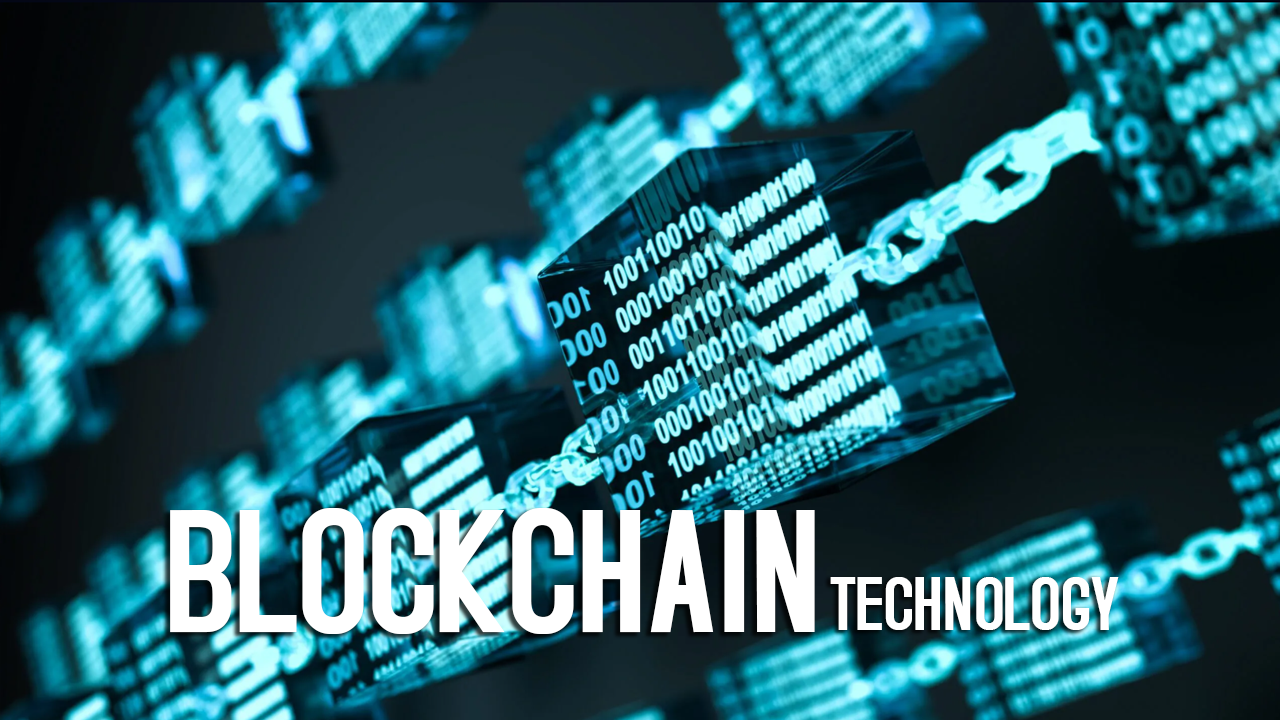
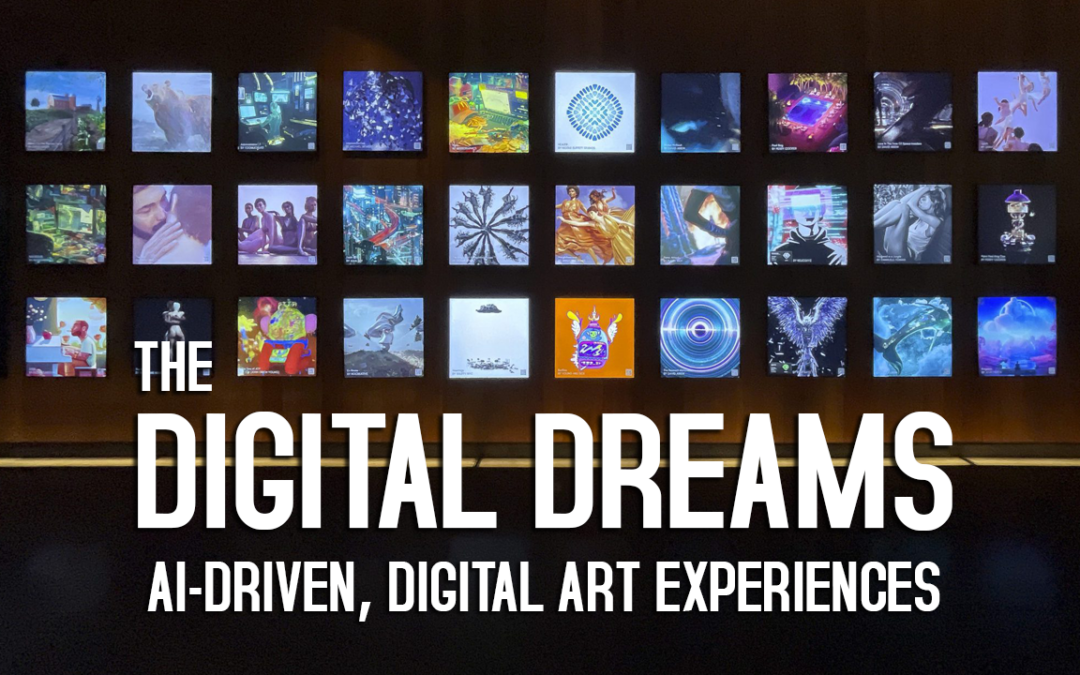
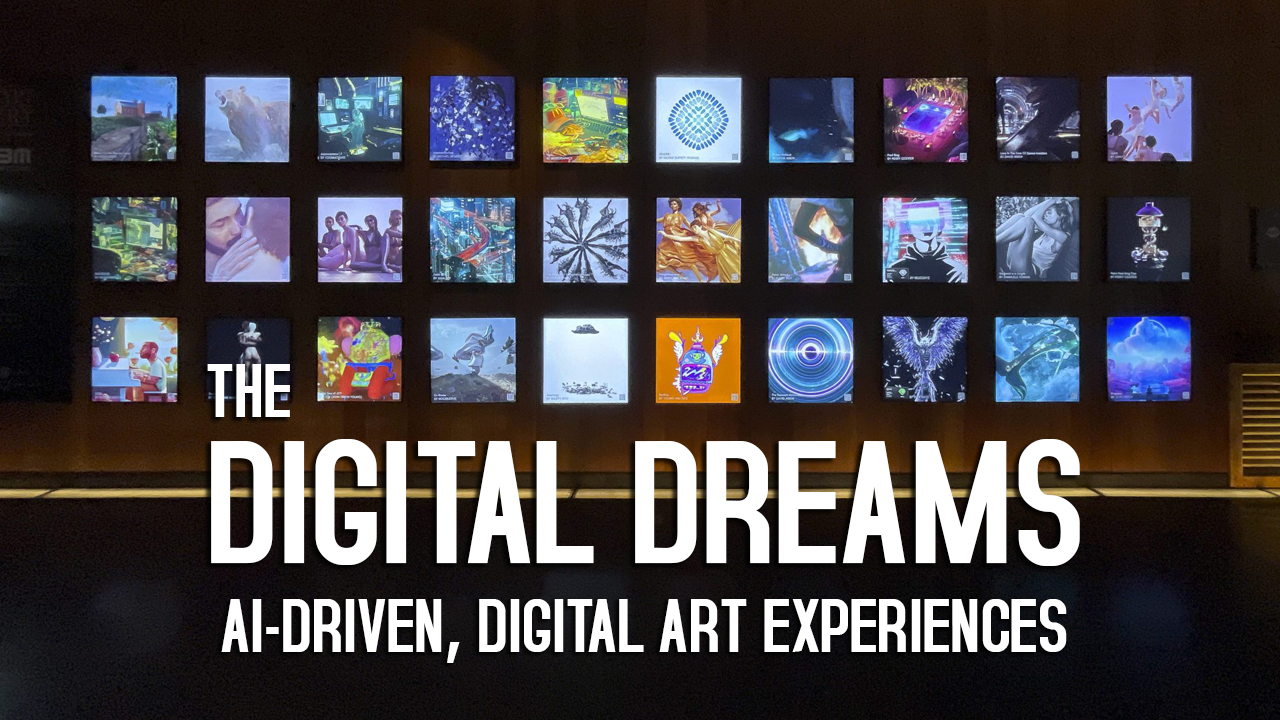
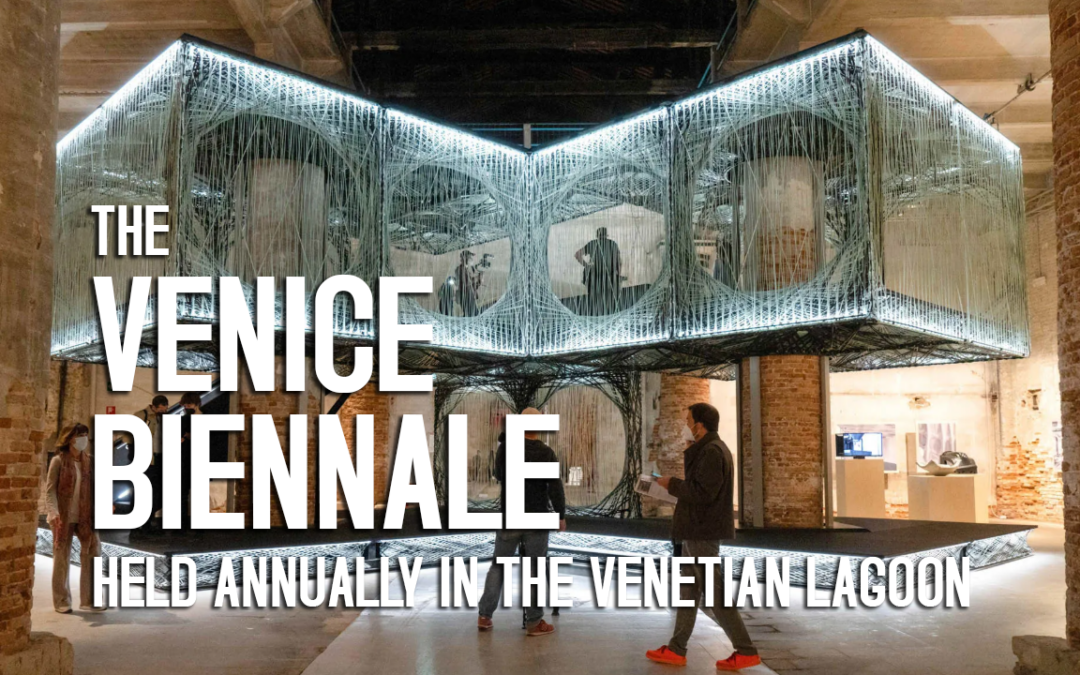
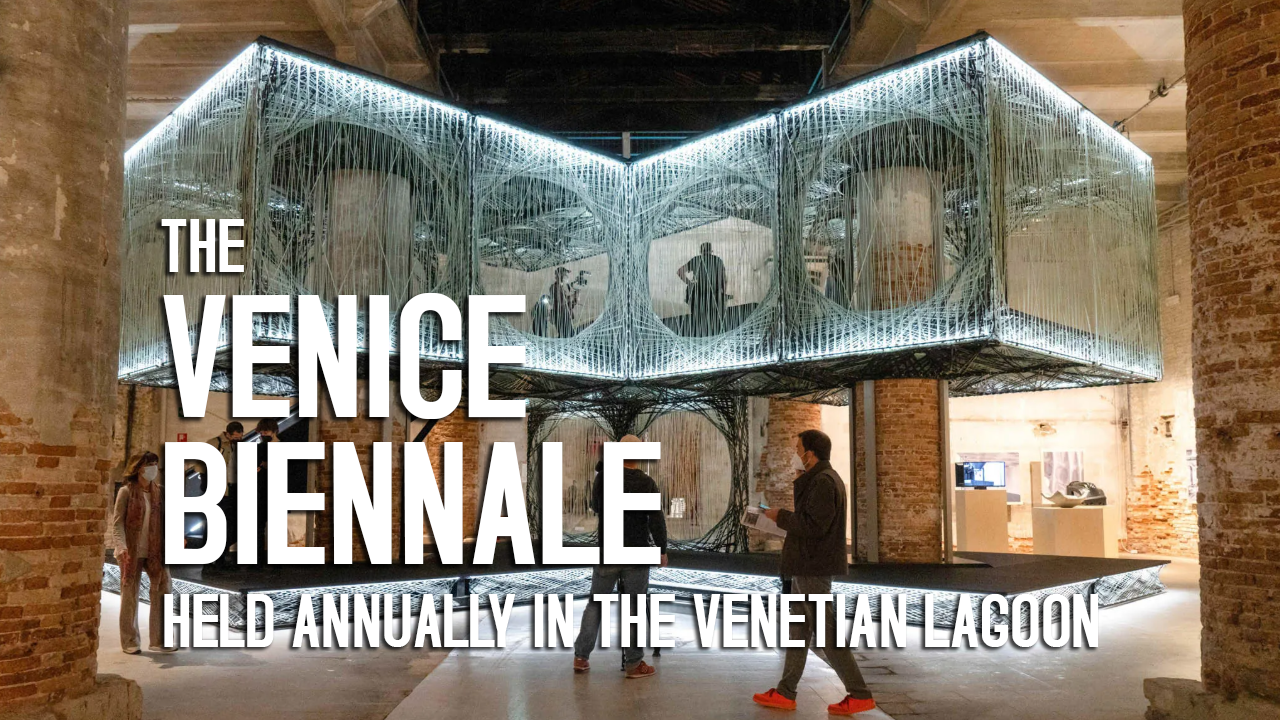
The NFT (non-fungible token) ecosystem has matured, with blockchain-based art transactions becoming more institutionalized. The 2026 Venice Biennale featured a groundbreaking NFT auction of a digital installation, Digital Dreams, valued at $200 million. However, the environmental toll of blockchain transactions and the lack of provenance in digital works have sparked regulatory scrutiny. In response, the European Union proposed the Digital Operational Transparency Act, aiming to standardize NFT transactions and ensure transparency. Meanwhile, artists are exploring hybrid models, blending NFTs with physical exhibitions to create immersive, multi-platform experiences.
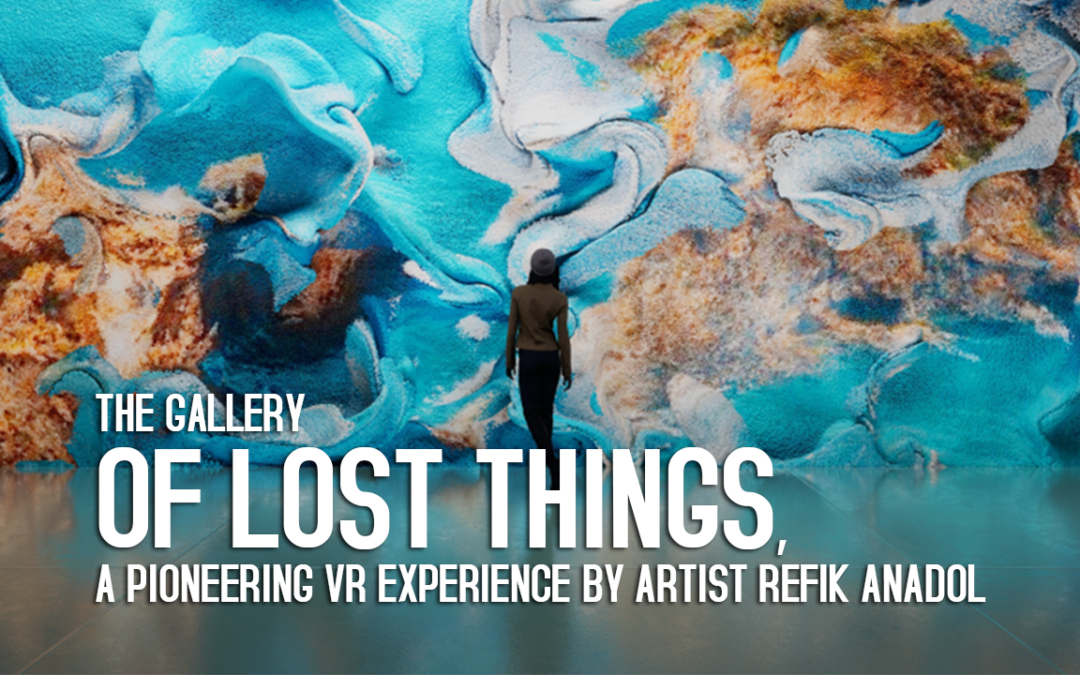
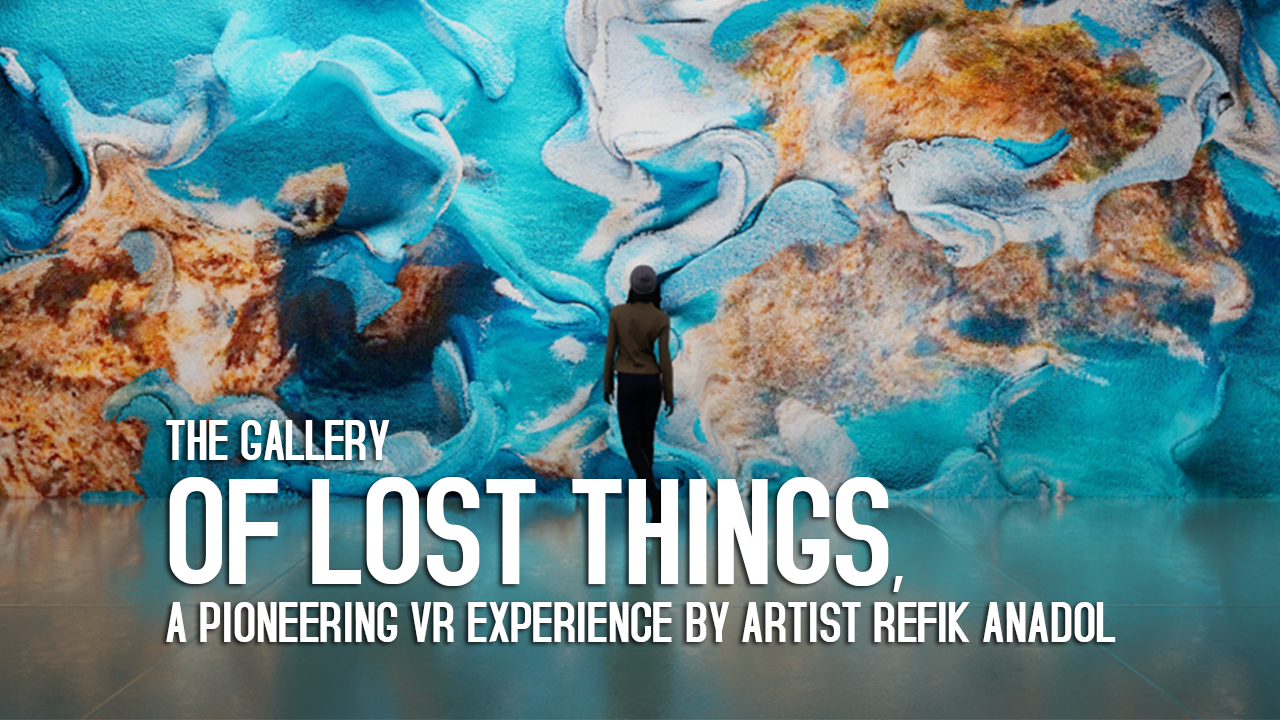
The pandemic’s aftermath has reshaped how art is consumed and created. Virtual reality (VR) and augmented reality (AR) have become pivotal, with immersive installations like The Gallery of Lost Things (a VR experience by artist Refik Anadol) dominating 2026 art fairs. Galleries are investing in metaverse platforms, such as the Decentraland art space, where digital sculptures and interactive exhibits can transcend physical boundaries. Social media platforms like Instagram and TikTok have also evolved, with artists using AI tools to generate content tailored to specific audiences. This shift has blurred the lines between art and commerce, as digital art becomes a primary monetization strategy.

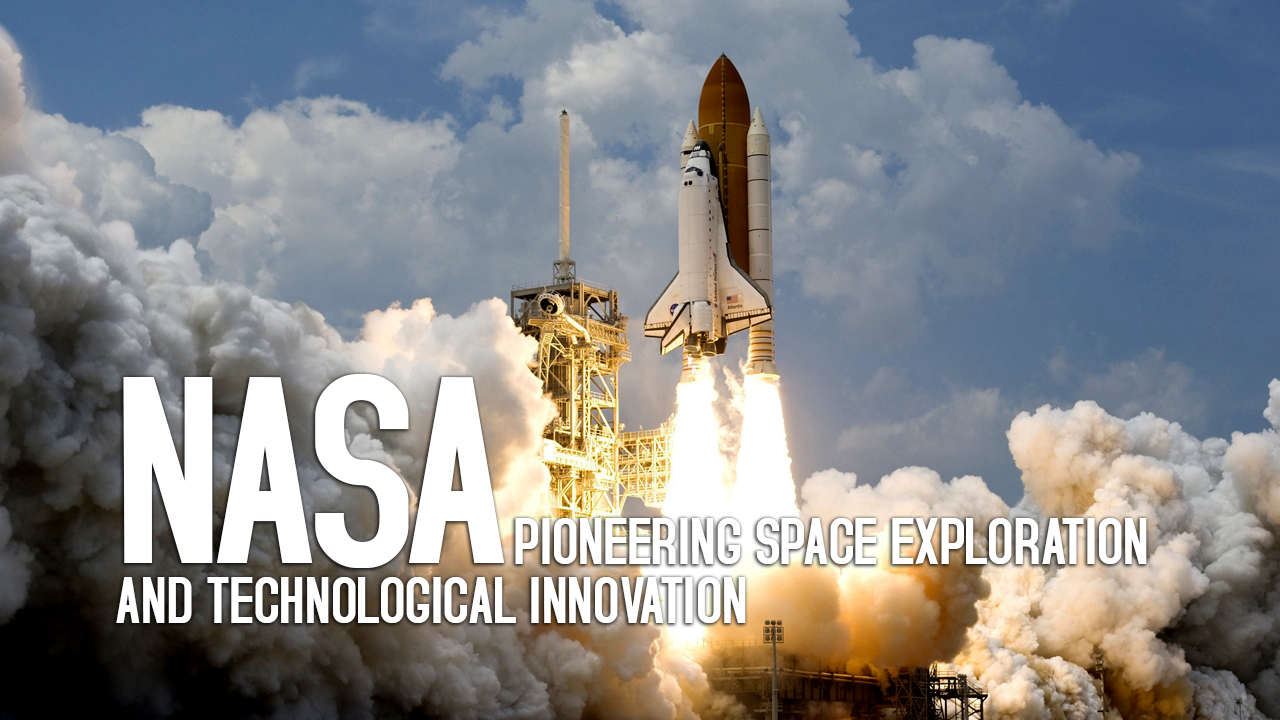
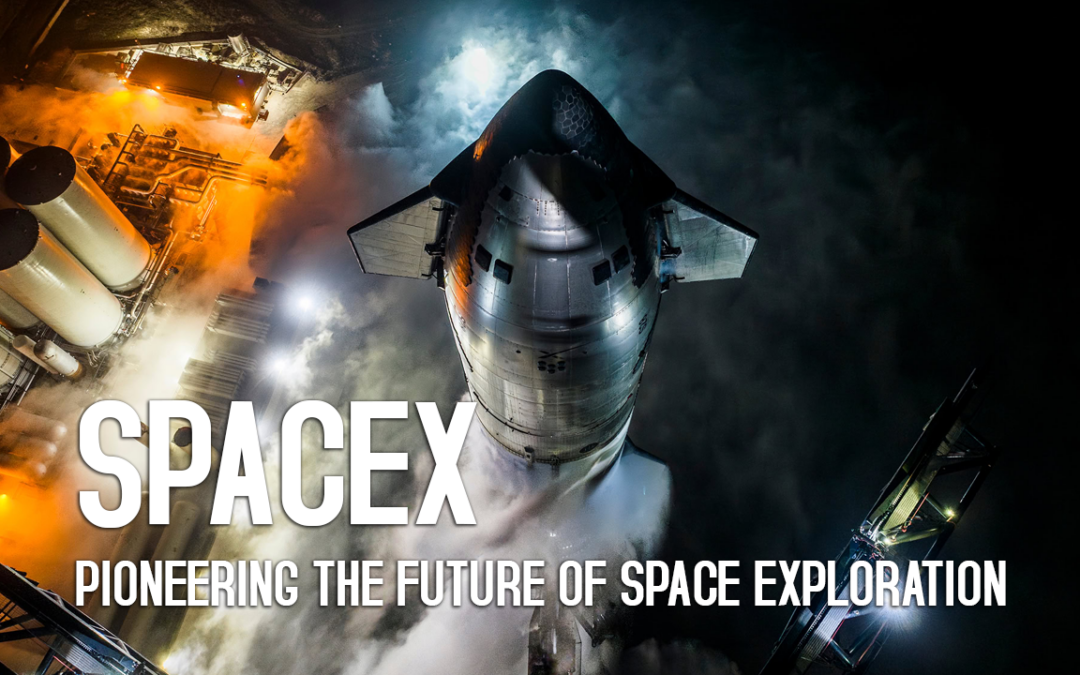
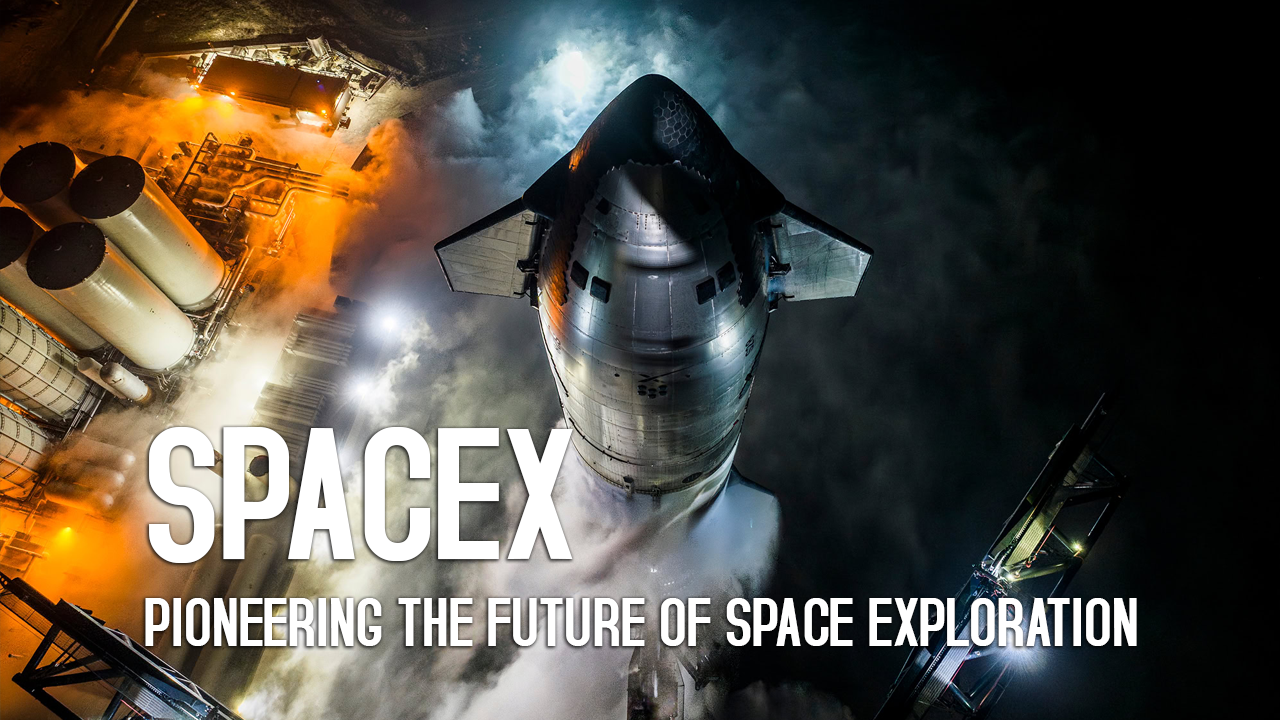
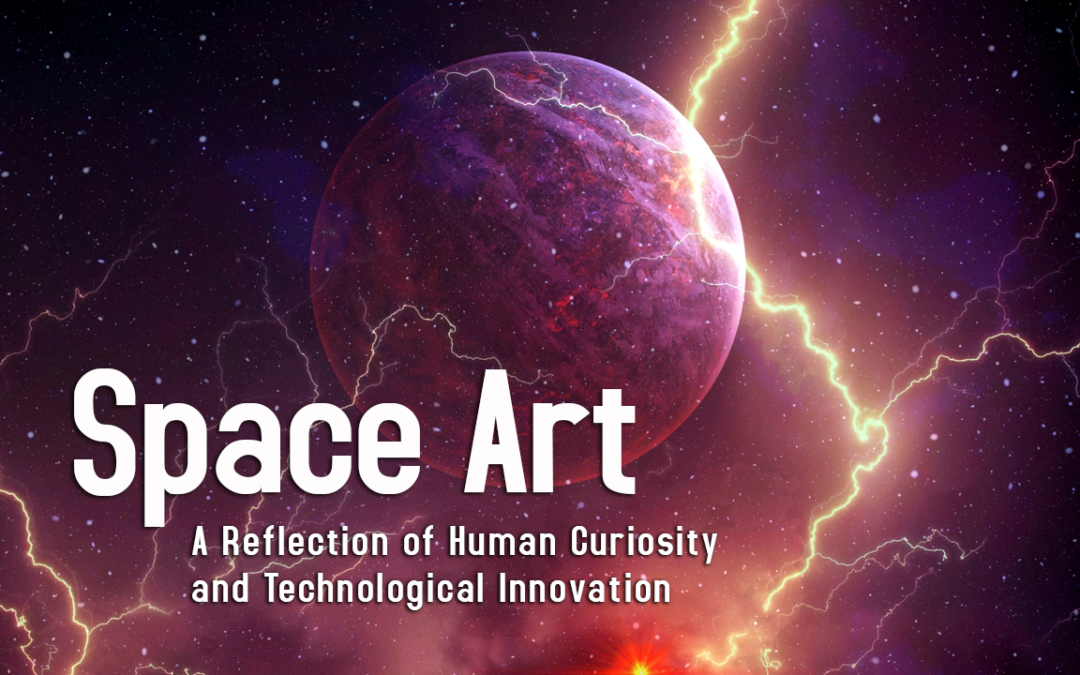
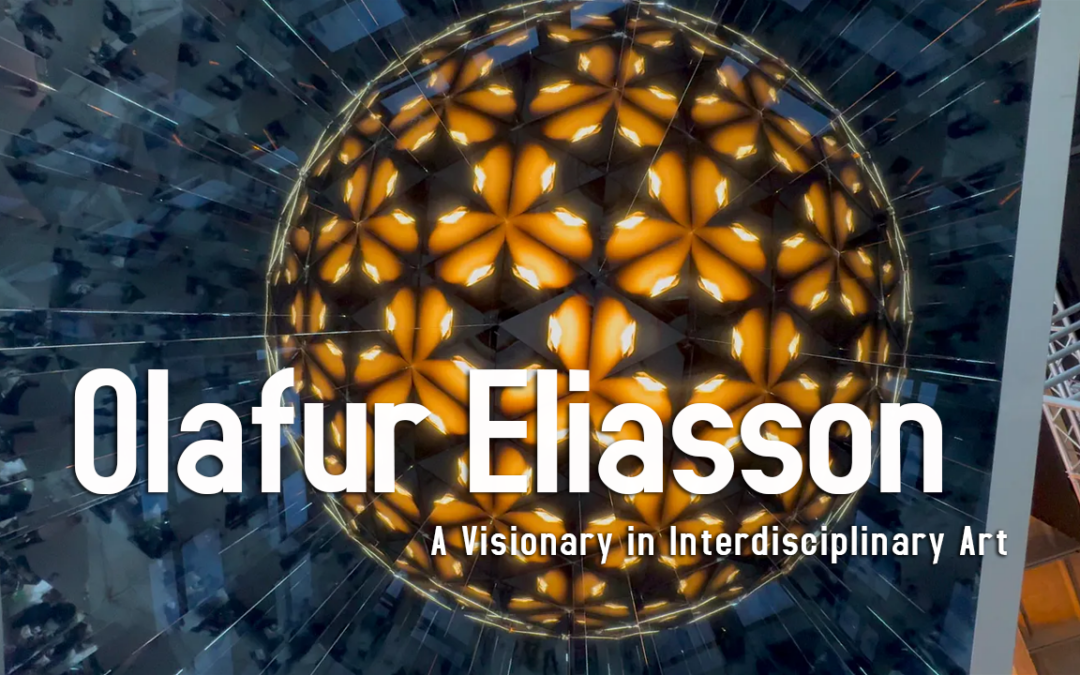
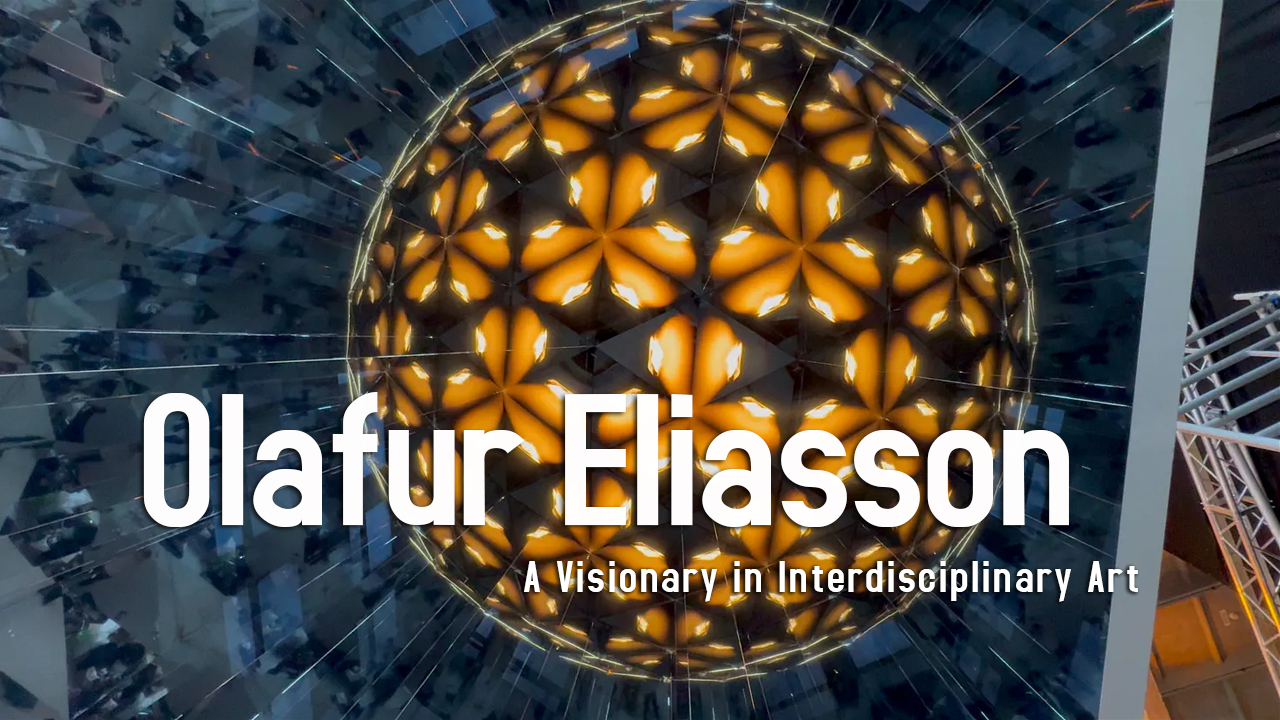
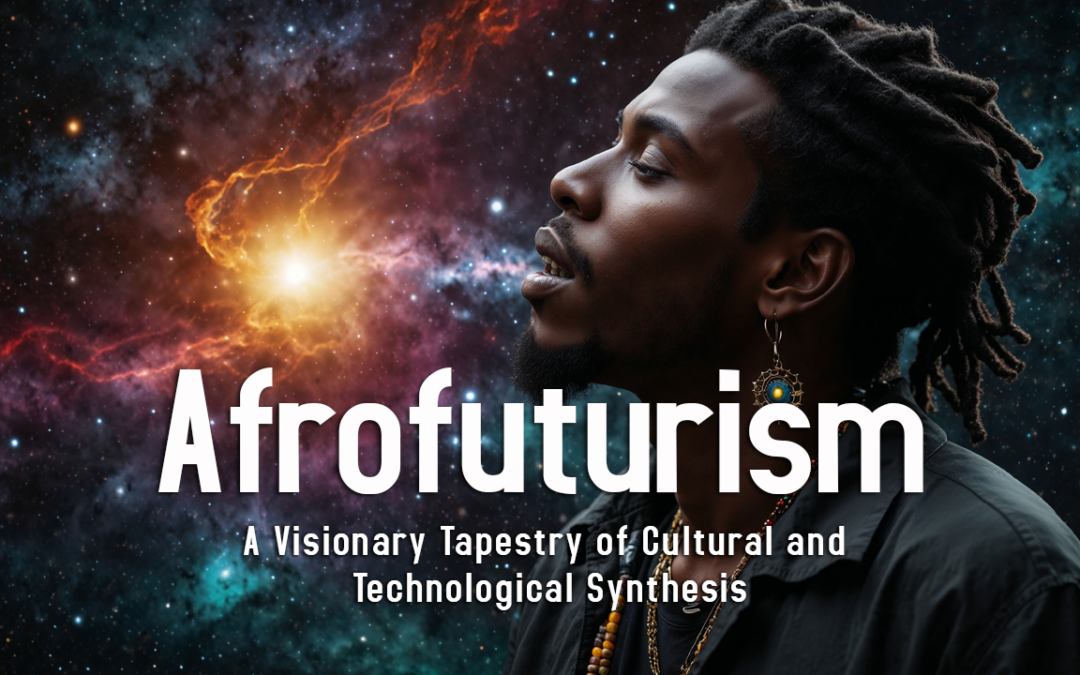
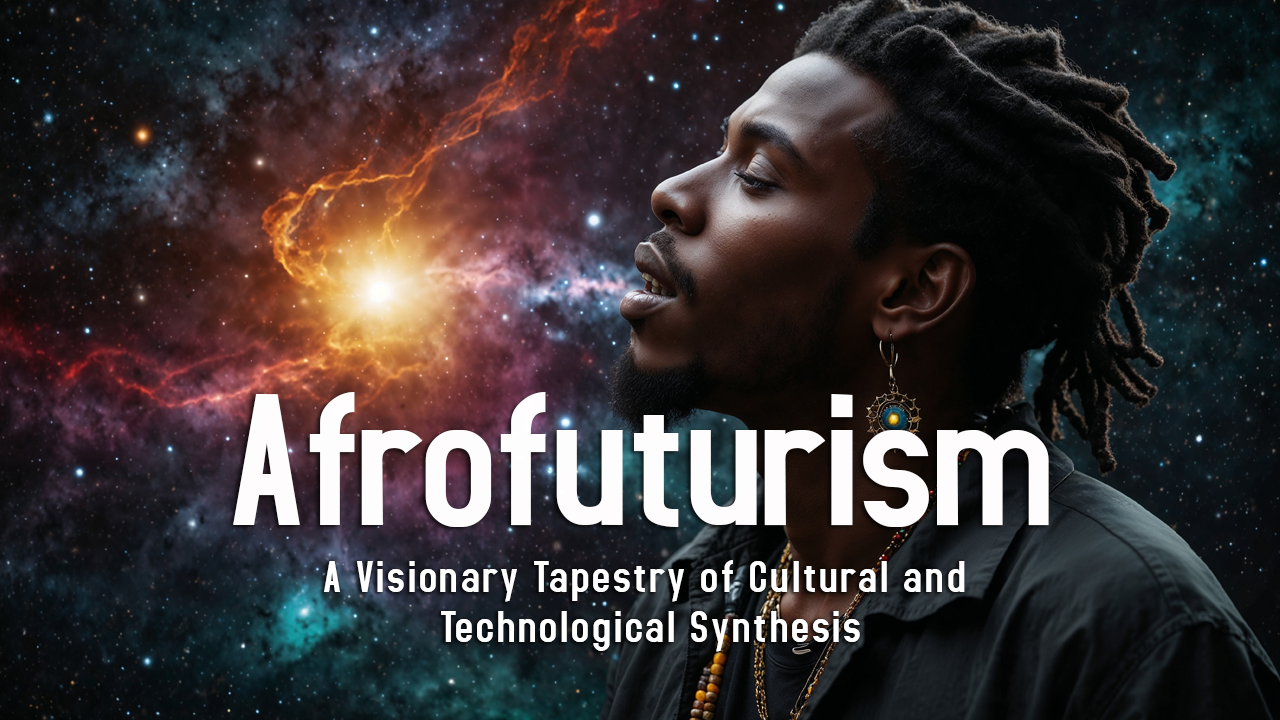
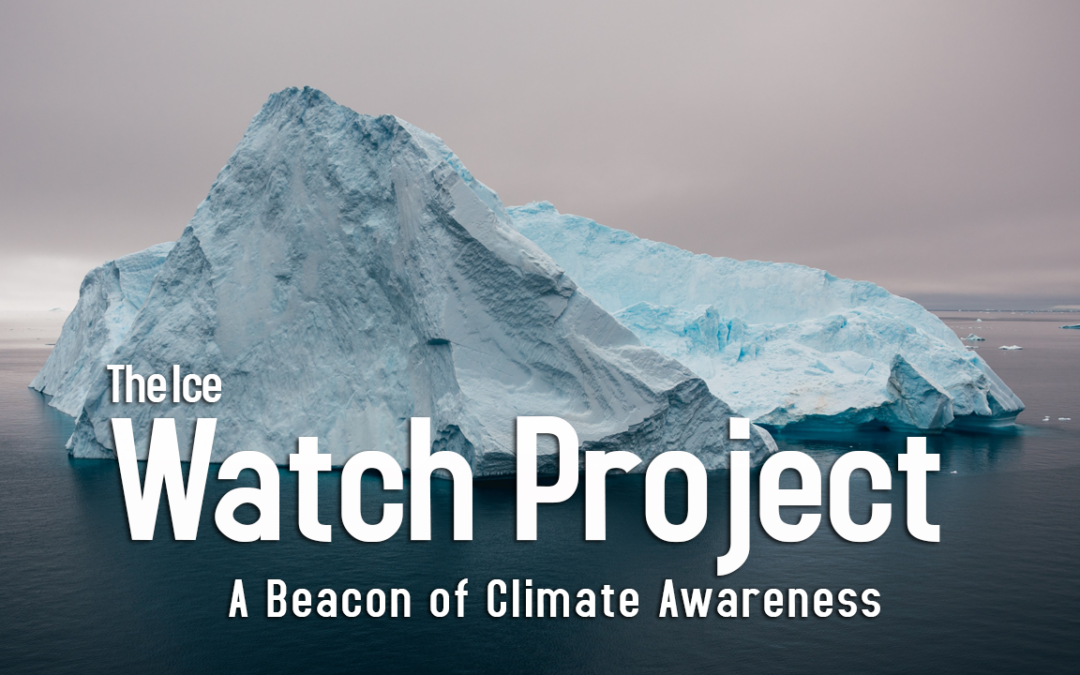
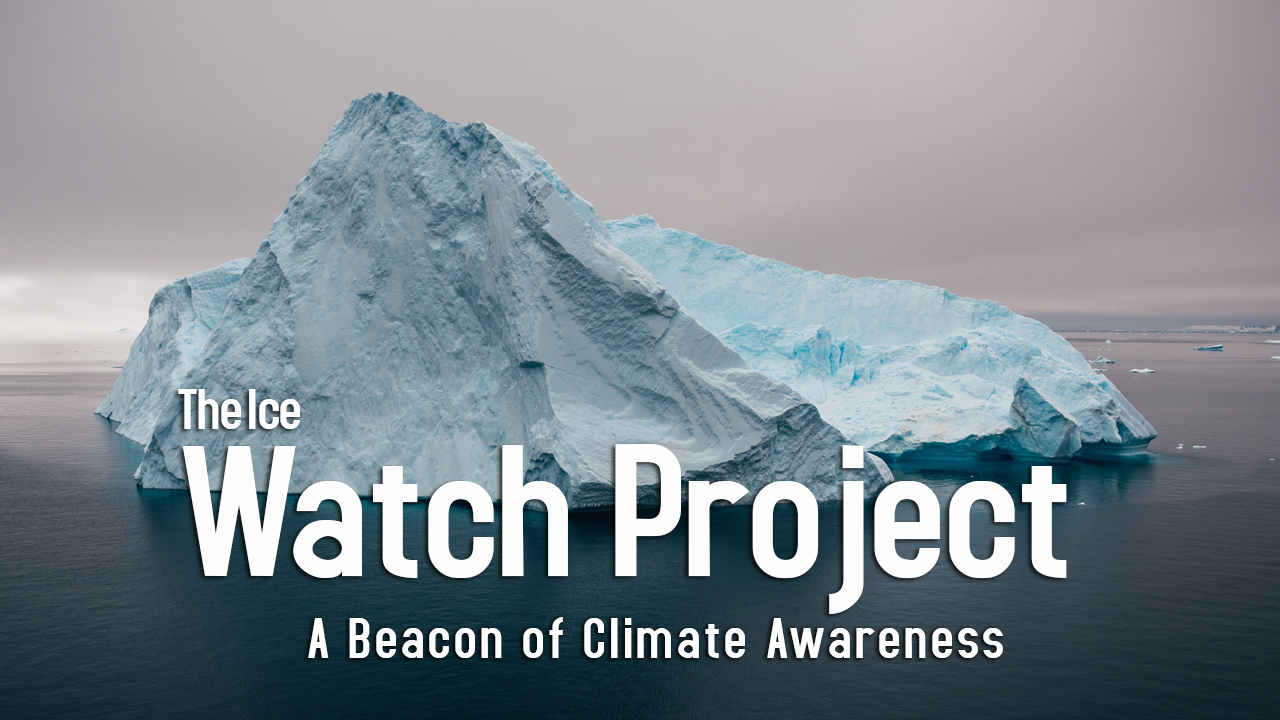
Socially conscious art movements have expanded, with artists addressing climate change, gender equality, and technological ethics. The Ice Watch project, which brought chunks of melting ice to public spaces, has inspired global installations. In 2026, Afrofuturism and climate activism coalesced, with artists like Femi Osoode and Olafur Eliasson creating works that merge art with environmental advocacy. Meanwhile, the rise of “space art” has captured attention, as private companies like SpaceX and NASA collaborate with artists to explore cosmic themes in installations and conceptual pieces.

The role of the artist as a curator has also shifted. Hybrid models, such as “artist-curated metaverses,” allow creators to host immersive, community-driven exhibitions. Platforms like Artemis and The Art Platform have democratized access to global audiences, enabling artists from underrepresented backgrounds to gain visibility. However, this shift raises questions about the artist’s role in curating their own work versus relying on algorithms to determine its success.

As the art world embraces technology, the future remains uncertain. While AI and NFTs redefine art’s boundaries, ethical dilemmas persist: How to balance innovation with authenticity? How to preserve value in a digital age? The 2026 art scene is a testament to resilience, proving that creativity can thrive in a rapidly evolving landscape. Whether through AI-generated portraits, blockchain-backed sales, or immersive virtual experiences, the next chapter of art will be defined by its ability to adapt while remaining rooted in human expression.