The Arctic Giant : 1942

The Arctic Giant : 1942

The Arctic Giant : 1942

The Arctic Giant : 1942

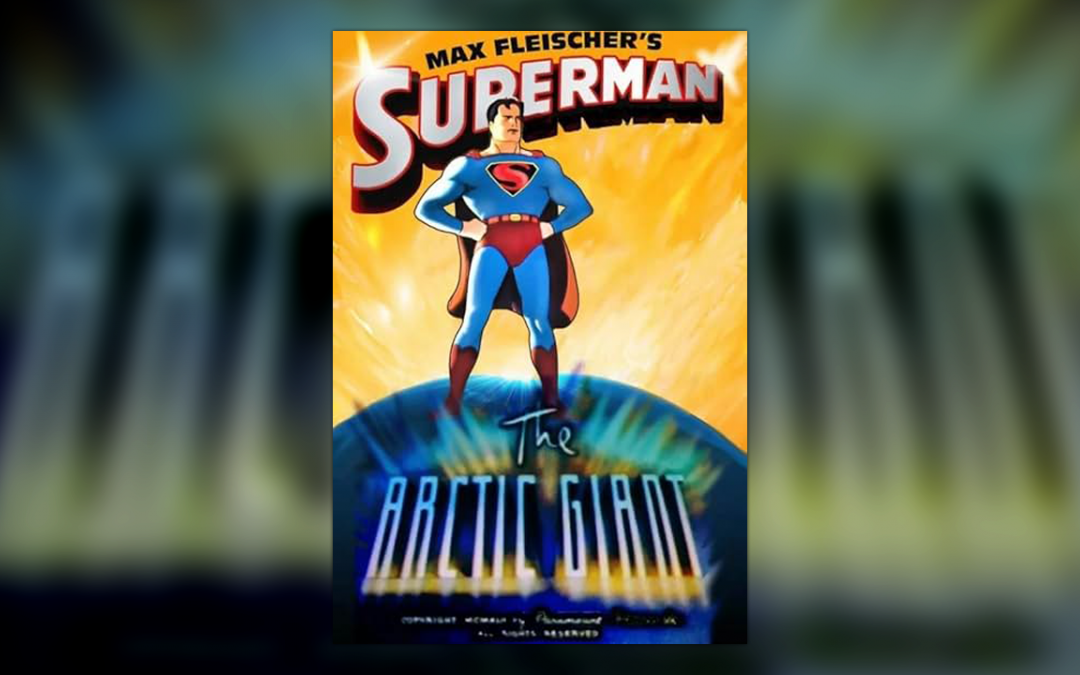
Superman The Arctic Giant produced in 1942 is a short animation where Superman battles a thawed out Tyrannosaurus. Directed by Dave Fleischer and Willard Bowsky. Written by Joe Shuster, Jerry Siegel, and Bill Turner. Bud Collyer, Joan Alexander, and Jackson Beck acted in this short film as voice overs.
Reefer Madness 1938

Reefer Madness 1938

Mae Coleman (Thelma White) and Jack Perry (Carleton Young)—a couple living in sin, sell marijuana. Mae pers to sell marijuana to customers her own age, whereas Jack sells the plant to young teenagers. Ralph Wiley (Dave O’Brien (actor)), a psychotic ex-college student turned fellow dealer (and addict, according to the film),
Carnival of Souls 1962

Carnival of Souls 1962

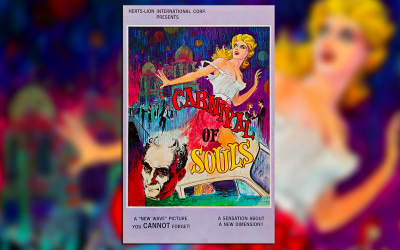
Mary Henry (Hilligoss) is riding in a car with two other young women when some men challenge them to a drag race. As they speed across a bridge, the women’s car plunges over the side into the river. The police spend three hours dragging the murky, fast-running water without success. Mary miraculously surfaces, but she cannot remember how she survived.
Attack of the Giant Leeches

Attack of the Giant Leeches

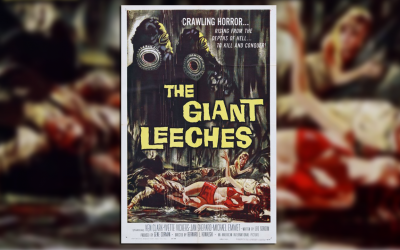
In the Florida Everglades, a pair of larger-than-human, intelligent Leech are living in an underwater cave. They begin dragging local people down to their cave where they hold them prisoner and slowly drain them of blood.
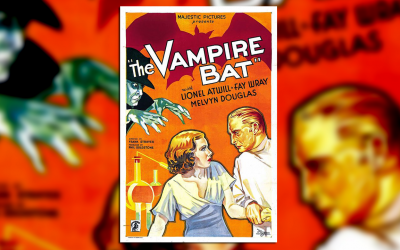
The Vampire Bat

The Vampire Bat

When the villagers of Kleinschloss start dying of blood loss, the town fathers suspect a resurgence of vampirism, however police inspector Karl Breettschneider remains skeptical. Scientist Dr. Otto von Niemann, who cares for the victims, visits a patient who was attacked by a bat, Martha Mueller. Martha is visited by a mentally challenged man
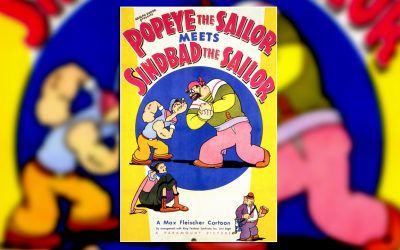
Popeye The Sailor Meets Sinbad the Sailor

Popeye The Sailor Meets Sinbad the Sailor

In this short, Sindbad the Sailor (presumably Bluto playing a “role”) proclaims himself, in song, to be the greatest sailor, adventurer and lover in the world and “the most remarkable, extraordinary fellow,” a claim which is challenged by Popeye’s arrival
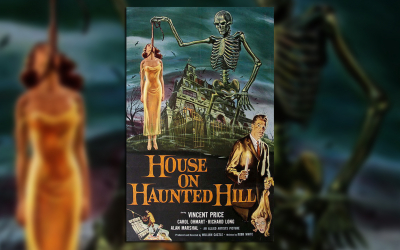
House on Haunted Hill

House on Haunted Hill

Eccentric millionaire Frederick Loren (Vincent Price) invites five people to a “party” he is throwing for his fourth wife, Annabelle (Carol Ohmart), in an allegedly haunted house he has rented, promising to give them each $10,000 with the stipulation that they must stay the entire night in the house after the doors are locked at midnight.
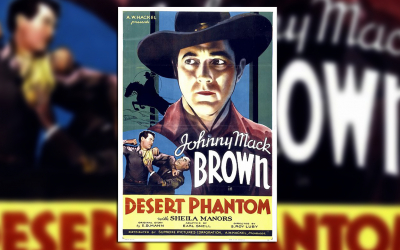
Desert Phantom

Desert Phantom

Desert Phantom released in 1936 is a western feature film starring Mack Brown. Billy Donovan arrives looking for his sister’s killer. When he hires on at the Halloran ranch where the mysterious Phantom has killed all the hands, it’s not long before the Phantom shoots him.

Africa Speaks

Africa Speaks

Explorer Paul Hoefler leads a safari into central Africa and what was then called the Belgian Congo, in the regions inhabited by the Wassara and the famous Ubangi tribes.
Popeye The Sailor Meets Sinbad the Sailor

Popeye The Sailor Meets Sinbad the Sailor

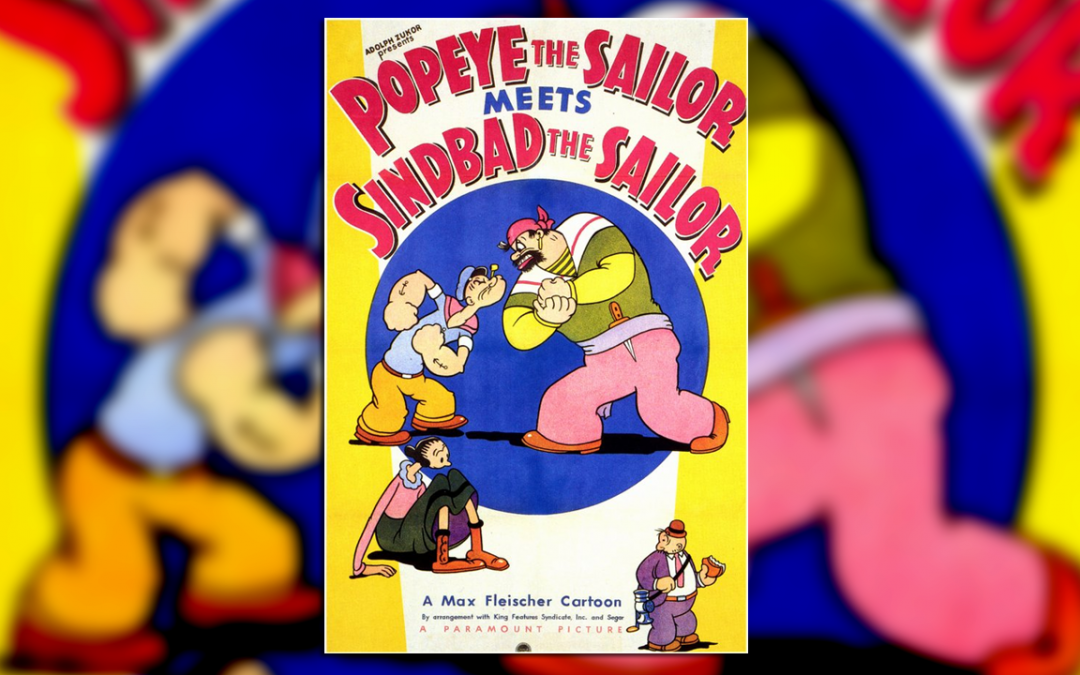
In this short, Sindbad the Sailor (presumably Bluto playing a “role”) proclaims himself, in song, to be the greatest sailor, adventurer and lover in the world and “the most remarkable, extraordinary fellow,” a claim which is challenged by Popeye’s arrival

on his island with Olive Oyl and J. Wellington Wimpy in tow. Sindbad orders his huge Roc (mythology), Rokh, to kidnap Popeye’s girlfriend, Olive Oyl, and wreck Popeye’s ship, forcing him and Wimpy to swim to shore. Sinbad relishes making Olive his trophy wife, which is interrupted by Popeye’s arrival. Sinbad then challenges the one-eyed sailor to a series of obstacles to prove his greatness, including fighting Rokh, a two-headed giant (mythology) named Boola (an apparent parody erence to The Three Stooges), and Sindbad himself. Popeye makes short work of the bird and the giant, but Sindbad almost gets the best of him until Popeye produces his can of spinach, which gives him the power to soundly defeat Sindbad and proclaim himself “the most remarkable, extraordinary fella.”

A subtly dark running gag features the hamburger-loving Wimpy chasing after a duck on the island with a meat grinder, with the intention of grinding it up so that he can fry it into his favorite dish, but the duck not only escapes, but also snatches away Wimpy’s last burger in retaliation when he gives up. Many of the scenes in this short feature make use of the Fleischer’s Multiplane camera process, which used modeled sets to create 3D backgrounds for the cartoon.

This short was the first of the three Popeye Color Specials, which were, at over sixteen minutes each, three times as long as a regular Popeye cartoon, and were often billed in theatres alongside or above the main feature. Popeye the Sailor Meets Sindbad the Sailor was nominated for the 1936 Academy Award for Animated Short Film, which it lost to Walt Disney’s Silly Symphony The Country Cousin. Footage from this short was later used in the 1952 Famous Studios Popeye cartoon Big Bad Sindbad, in which Popeye relates the story of his encounter with Sindbad to his 3 nephews.

Today, this short and the other two Popeye Color Specials, Popeye the Sailor Meets Ali Baba’s Forty Thieves, and Aladdin and His Wonderful Lamp (both of which were also adapted from a story featured in One Thousand and One Nights) are in the public domain, and are widely available on home video and DVD. A fully restored version with the original Paramount Pictures mountain logo opening and closing titles is available on the Popeye the Sailor: 1933-1938, Volume 1 DVD set from Warner Bros.
Producer and special effects artist Ray Harryhausen stated in his Fantasy Film Scrapbook that Popeye the Sailor Meets Sindbad the Sailor was a major influence on his production of The 7th Voyage of Sinbad.
Popeye the Sailor Meets Sindbad the Sailor has been deemed “culturally significant” by the United States Library of Congress and selected for preservation in the National Film Registry. In 1994, the film was voted #17 of the 50 Greatest Cartoons of all time by members of the animation field, making it the highest ranked Fleischer Studios cartoon in the book.