
text-to-image generation for digital art
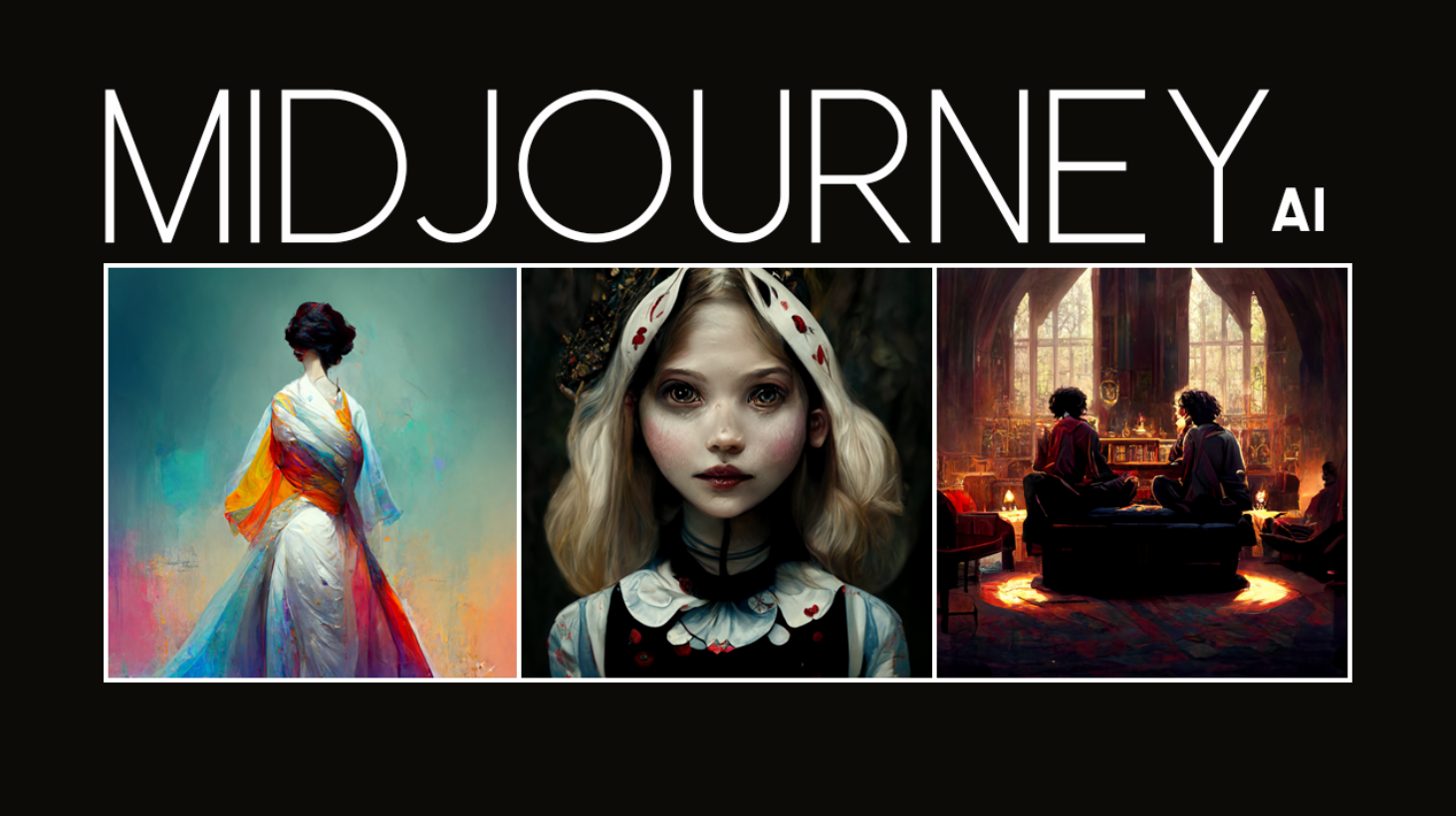
Midjourney is a revolutionary AI-driven tool that has fundamentally transformed the landscape of digital art and design. As an advanced text-to-image generator, it leverages cutting-edge algorithms and vast training data to produce high-resolution visual content based on textual descriptions. Unlike traditional image editing software, Midjourney’s approach is rooted in generative artificial intelligence, enabling users to input intricate prompts and receive visually stunning, often surreal imagery that defies conventional artistic norms. Its ability to blend creativity with technical precision has positioned it as a powerful asset for artists, designers, and content creators seeking to push creative boundaries.
The underlying algorithms of Midjourney, such as diffusion models and transformer architectures, are designed to interpret textual inputs with remarkable accuracy, even when the prompts are abstract or ambiguous. This flexibility allows users to explore ideas that might be difficult to visualize through traditional means, from conceptual art to fantastical landscapes. Moreover, Midjourney’s integration with AI-driven tools for refining outputs ensures that the generated images are not only aesthetically compelling but also optimized for specific use cases, such as marketing visuals or digital art portfolios. Its user-friendly interface further democratizes access to advanced artistic tools, making it an indispensable resource for both professional creators and hobbyists.
Despite its transformative potential, Midjourney’s reliance on AI raises critical ethical and technical questions. Issues such as copyright infringement, the authenticity of AI-generated art, and the potential for bias in training data are increasingly pertinent. Critics argue that AI tools like Midjourney may devalue human creativity by reducing artistic expression to algorithmic outputs, while proponents highlight their role in fostering innovation and experimentation. Additionally, the environmental impact of training large AI models remains a contentious topic, as energy consumption and resource allocation are significant concerns. Balancing these challenges requires ongoing dialogue about the role of AI in creative industries and the need for responsible practices.
The future of Midjourney and similar tools is likely shaped by advancements in AI technology and evolving user expectations. As AI becomes more integrated into creative workflows, its ability to adapt to new trends and user needs will determine its success. However, the enduring value of human creativity—whether in refining AI-generated content or exploring novel artistic concepts—ensures that Midjourney will continue to evolve. Ultimately, Midjourney represents a pivotal intersection of art and technology, offering both opportunities and responsibilities for users navigating its ever-expanding creative possibilities.