
A Reflection of Human Curiosity and Technological Innovation
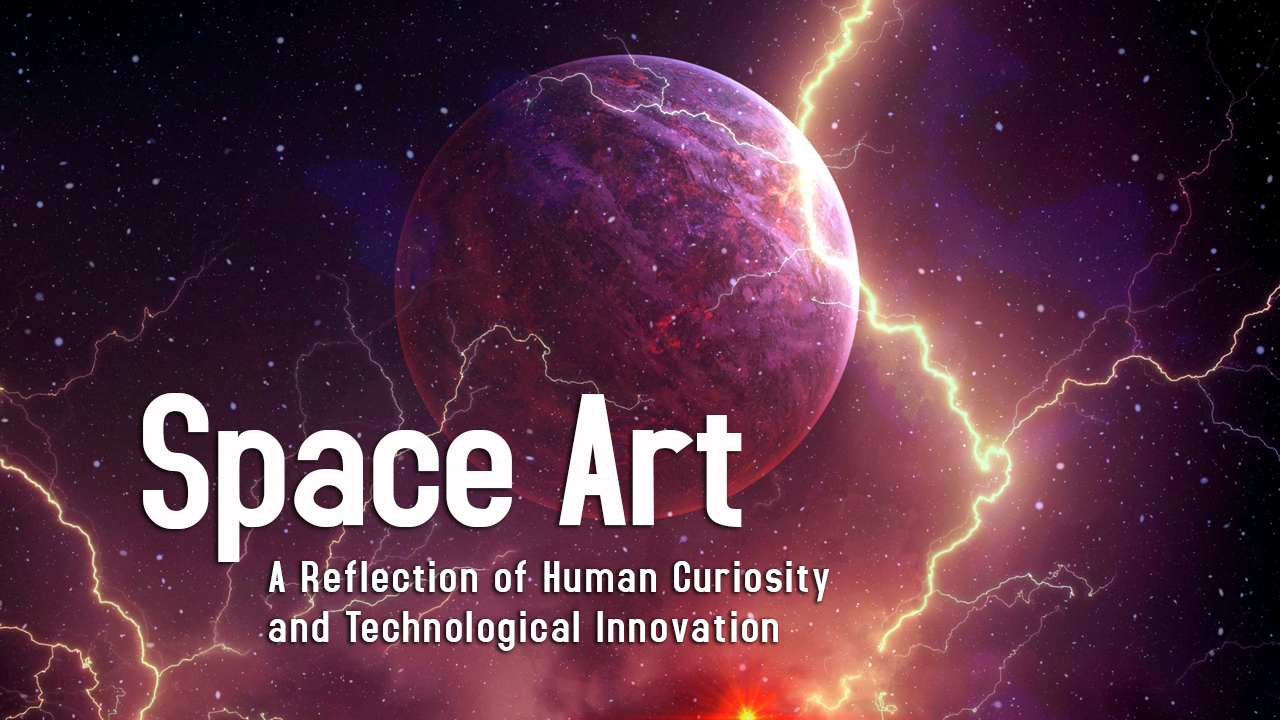
Space art, a dynamic and evolving field, captures the human imagination by translating the vastness of space into visual, conceptual, and technological forms. It encompasses everything from traditional visual art to cutting-edge digital media, reflecting humanity’s fascination with the cosmos and its potential. This art form is not merely about depicting space; it is about exploring the philosophical, scientific, and cultural implications of our place in the universe. Through various mediums, space art challenges viewers to contemplate themes such as the fragility of Earth, the allure of exploration, and the ethical dilemmas of space colonization.
One of the most enduring forms of space art is visual art, which has historically depicted celestial phenomena and space exploration. Artists like Salvador Dalí, with his surreal landscapes of the cosmos, and Andy Warhol, who staged “space” as a metaphor for pop culture, have used their work to interrogate the relationship between art and technology. Contemporary artists such as Jenny Holzer and TeamLab push the boundaries of traditional mediums, employing digital installations and immersive environments to create interactive experiences that simulate space. These works often confront viewers with the stark contrasts between the serene beauty of the cosmos and the existential threats posed by climate change or overpopulation.
Space art also thrives in the realm of digital and interactive media, where technology enables artists to create dynamic, ever-changing visual experiences. Artists like Hito Steyerl and Refik Anadol use algorithms, virtual reality, and augmented reality to craft immersive environments that mimic the alien landscapes of space. For instance, Refik Anadol’s AI-generated art pieces explore the concept of data and its visualization in the cosmos, while TeamLab’s installations use real-time interaction to evoke the sense of being “lost in space.” These works highlight the interplay between human creativity and technological innovation, demonstrating how space art can transcend physical limitations to engage audiences in new ways.
Beyond aesthetic value, space art plays a crucial role in raising awareness about pressing global issues. Climate change, space colonization, and the ethics of extraterrestrial exploration are increasingly addressed through art that merges science with philosophy. Artists like Olafur Eliasson and Anish Kapoor use space art to provoke thought about humanity’s responsibility toward the environment and the stars. For example, Eliasson’s “The Weather Project” visualizes climate change through immersive installations, while Kapoor’s sculptures explore the tension between human ambition and the natural world. Such works underscore the dual role of space art as both a mirror of our collective consciousness and a catalyst for dialogue on critical global issues.
In conclusion, space art is a multifaceted discipline that bridges art, science, and technology. It invites viewers to engage with the cosmos through innovative techniques, while also reflecting humanity’s aspirations and anxieties. As technology continues to advance, space art will likely evolve further, incorporating new mediums and ideas to explore the frontiers of imagination. Whether through traditional pigments, digital pixels, or conceptual frameworks, space art remains a powerful means of expressing the human spirit’s enduring quest to understand and transcend the limits of the universe. Its future will depend on how artists continue to push the boundaries of creativity, ensuring that space remains a source of inspiration for generations to come.