
Pioneering Space Exploration and Technological Innovation
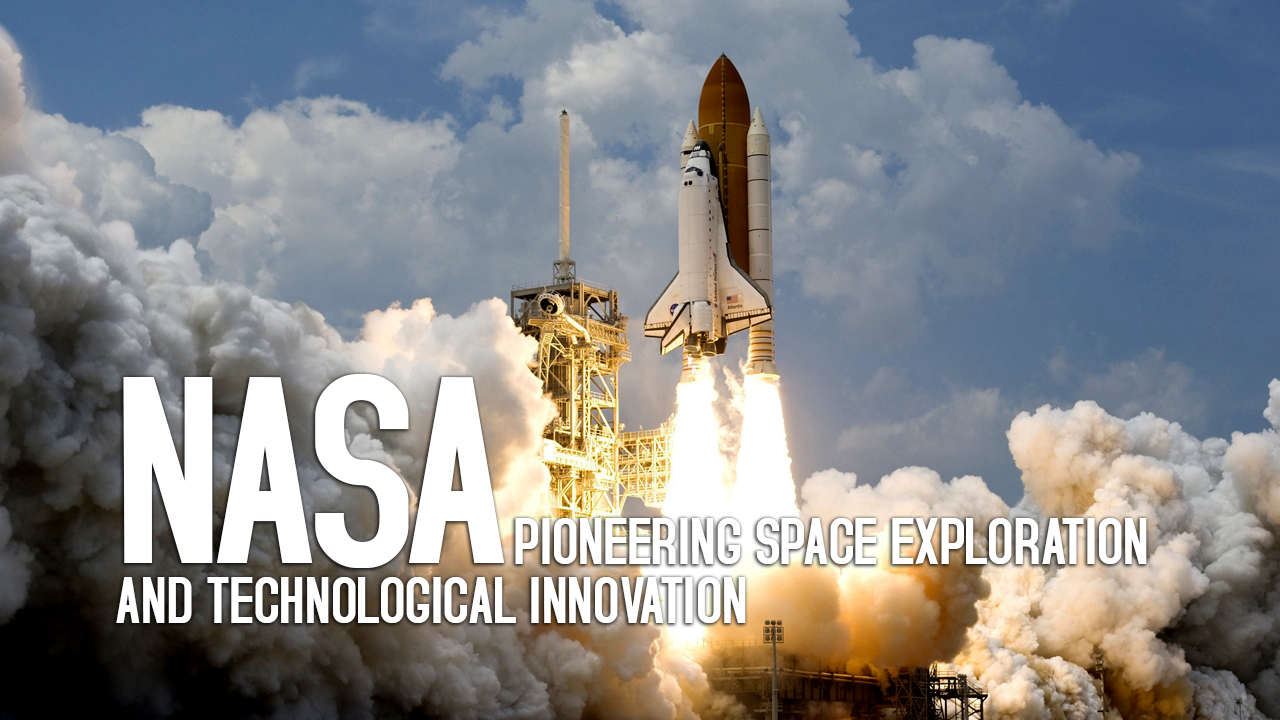
The National Aeronautics and Space Administration (NASA), established in 1958, stands as a monumental institution in the history of human space exploration. Originating during the Cold War era as a response to the Soviet Union’s advancements in rocketry, NASA’s primary mission was to explore space and ensure American technological leadership. Its creation marked a pivotal moment in humanity’s journey toward the cosmos, with the Apollo program’s first moon landing in 1969 symbolizing its unparalleled success. Today, NASA continues to push the boundaries of science and engineering, addressing challenges from climate change to interplanetary travel.
NASA’s legacy is rooted in its pivotal role in the space race. The Mercury and Gemini programs laid the groundwork for human spaceflight, while the Apollo missions achieved the extraordinary feat of landing astronauts on the Moon. These achievements not only demonstrated the feasibility of interplanetary travel but also inspired generations of scientists and engineers. Post-Apollo, NASA shifted focus to sustainable space exploration, culminating in the International Space Station (ISS) program, which became a collaborative effort between multiple nations. The ISS remains a testament to international cooperation and the potential of space research to advance human knowledge.
Technological innovation is another cornerstone of NASA’s mission. From the invention of the hydrogen-filled rocket to the development of the space shuttle, NASA has continually pioneered cutting-edge technologies. Its contributions to fields such as satellite technology, radar, and computer science are foundational to modern life. More recently, NASA’s Mars rover missions, like Perseverance, have revealed vital insights into planetary geology and potential past life. The James Webb Space Telescope, launched in 2021, has revolutionized our understanding of the early universe and galaxy formation. These innovations highlight NASA’s dual role as both a scientific laboratory and a driver of technological progress.
Beyond exploration, NASA plays a critical role in addressing global challenges. Climate change research conducted aboard the ISS and through satellite data helps monitor environmental shifts, while asteroid defense initiatives, such as the DART mission, aim to protect Earth from potential impacts. Additionally, NASA’s partnerships with private industries, like SpaceX and Blue Origin, foster economic growth and sustainable space travel. The agency’s focus on space-based solutions, from renewable energy to space medicine, underscores its commitment to using science for the betterment of humanity.
NASA’s impact spans centuries, from pioneering the space race to shaping the future of space exploration. Its legacy is etched in milestones like the Moon landing and the ISS, while its modern endeavors reflect a forward-thinking approach to scientific discovery and technological advancement. As humanity looks to the stars, NASA remains a beacon of innovation, inspiring nations and individuals alike to dream beyond Earth. Through its unwavering dedication to exploration and stewardship, NASA ensures that the spirit of curiosity and progress continues to drive human progress for generations to come.