Artemis Adventure

Artemis Adventure

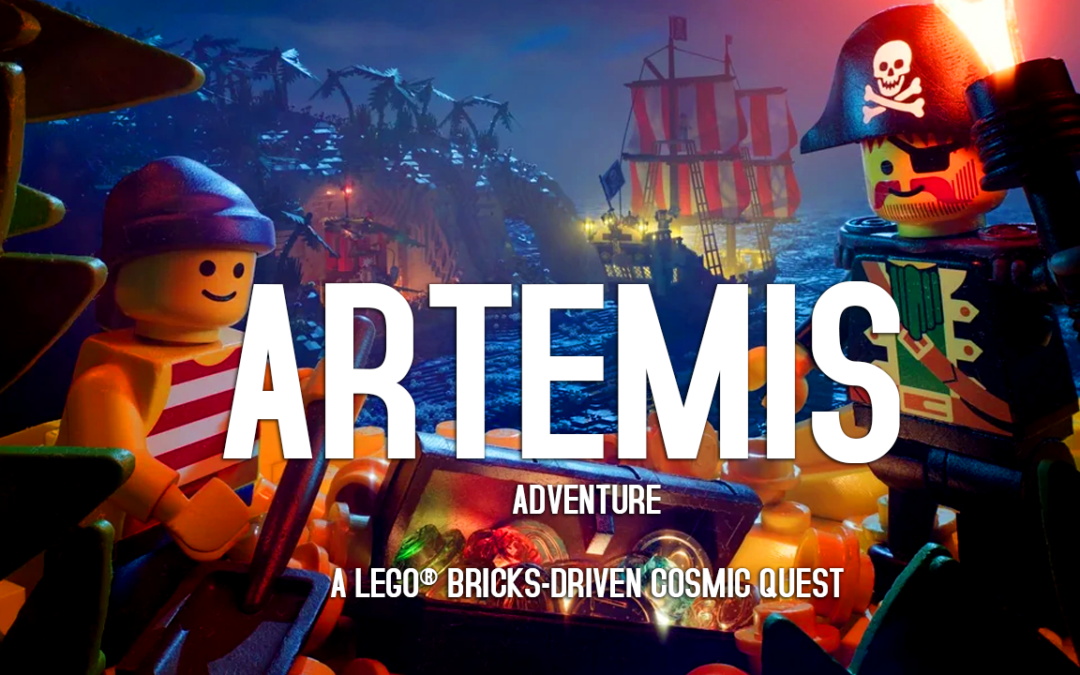
A LEGO® Bricks-Driven Cosmic Quest
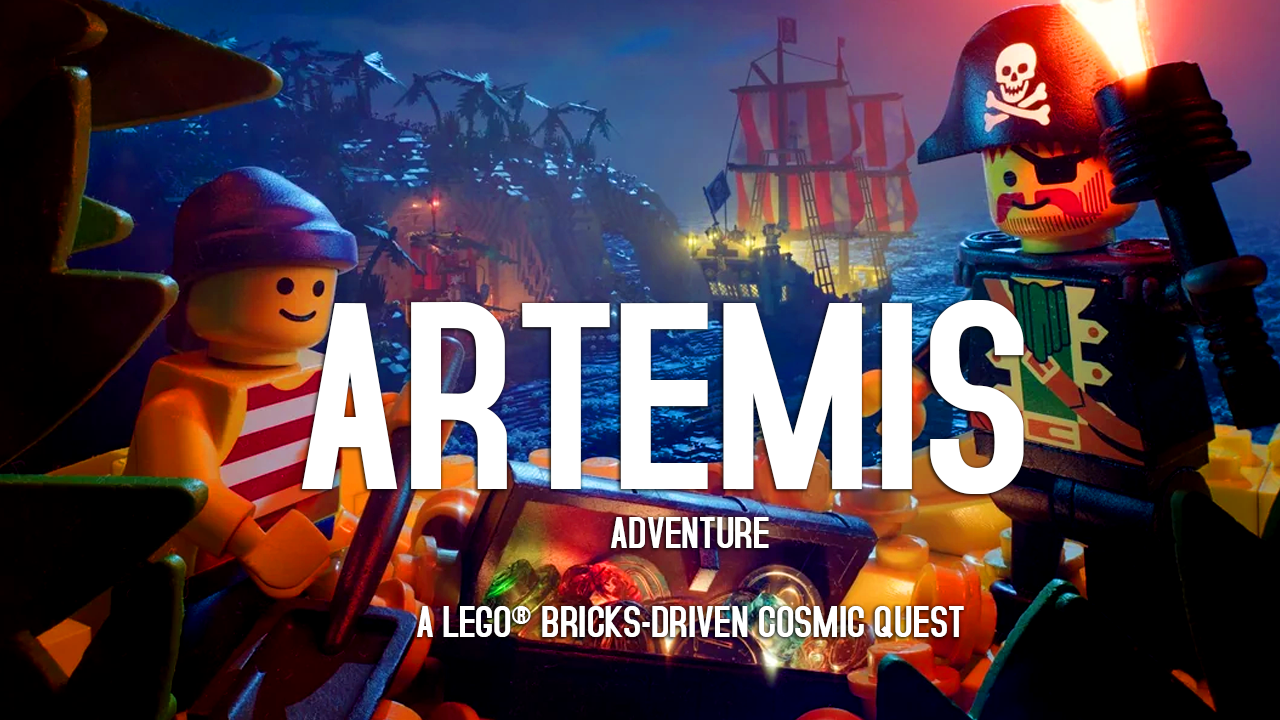
Artemis Adventure is a groundbreaking educational and entertainment platform that merges the creativity of LEGO® Bricks with immersive storytelling, offering players a unique blend of building, exploration, and problem-solving. At its core, the game revolves around a lunar base, the Artemis mission, and the exploration of a futuristic world where players use LEGO bricks to construct habitats, vehicles, and structures. This interactive experience not only fosters spatial reasoning and design skills but also encourages collaborative storytelling and imaginative play.

The game’s premise is deceptively simple: players begin by building a lunar habitat using LEGO bricks, which they then use to navigate a procedurally generated world. The construction phase is central, as players must strategically place bricks, balance structures, and utilize the game’s physics engine to create stable environments. This tactile engagement mirrors real-world engineering challenges, teaching players about weight distribution, structural integrity, and creative adaptation. The LEGO Bricks serve as both tools and metaphors, allowing players to experiment with design while maintaining a sense of accomplishment through tangible outcomes.

Beyond construction, Artemis Adventure emphasizes narrative immersion through its branching storylines and character interactions. Players can influence the plot by making decisions that affect the lunar base’s future, such as whether to establish a research station or prioritize resource conservation. This element of agency highlights the game’s focus on player agency, a key aspect of LEGO’s philosophy of fostering creativity. The game also incorporates environmental storytelling, where the world reacts to the players’ actions, reinforcing the idea that building and exploring are intertwined with the game’s progression.

The educational value of Artemis Adventure is multifaceted. It promotes STEM learning by integrating concepts of physics, engineering, and design into gameplay. Players must troubleshoot issues like unstable platforms or malfunctioning machinery, requiring critical thinking and iterative problem-solving. Additionally, the game encourages fine motor skills and hand-eye coordination through precise brick placement, while also nurturing spatial awareness and abstract reasoning. Its accessibility, with adjustable difficulty levels and modular gameplay, makes it appealing to both children and adults, bridging generational gaps.

Ultimately, Artemis Adventure stands out for its innovative approach to combining physical construction with digital storytelling. By leveraging LEGO Bricks as a medium for exploration, the game transforms passive entertainment into an active, participatory experience. It appeals to those who enjoy building, storytelling, and interactive play, while also serving as a tool for learning and creativity. Whether used in a classroom to teach engineering or as a solo adventure for a child, the game’s blend of fun, education, and imagination makes it a standout title in the realm of educational entertainment.

Artemis Adventure exemplifies how LEGO Bricks can evolve beyond toy kits into a dynamic platform for storytelling and learning, proving that play is not just about building—it’s about creating, exploring, and discovering.
The Role of Invoke.ai

The Role of Invoke.ai

in Redefining Artistic Creativity

Art has always been a dynamic intersection of human emotion, cultural context, and technical skill. In the digital age, the integration of artificial intelligence (AI) into creative processes has sparked both fascination and controversy. Invoke.ai, an AI-powered tool designed to assist artists in generating visual content, is at the forefront of this evolution. By leveraging generative algorithms and user-driven prompts, Invoke.ai empowers artists to explore new creative frontiers, blending traditional artistic methods with cutting-edge technology. This essay examines how Invoke.ai functions, its impact on artistic practices, and its implications for the future of creativity.

Invoke.ai operates as a collaborative platform that bridges the gap between human artistic intent and algorithmic efficiency. Unlike static tools such as Adobe Photoshop, which rely on pre-defined parameters, Invoke.ai’s architecture allows users to input prompts that guide the AI’s creative output. For instance, an artist might describe a surreal landscape or a minimalist sculpture, and the tool generates hyper-realistic images or interactive digital models based on that input. This democratization of art creation—making high-level creative tools accessible to non-experts—has redefined the role of the artist as both a creator and a curator of AI-generated works. Artists can experiment with styles, proportions, and textures without formal training, fostering innovation that transcends traditional boundaries.

One of Invoke.ai’s standout features is its versatility in supporting diverse artistic mediums. It excels in visual arts, such as digital painting and generative design, but also extends to music composition, video editing, and even conceptual installations. For example, a musician might use Invoke.ai to create algorithmically generated chord progressions, while an installation artist could employ the tool to craft immersive, interactive environments that respond to viewer input. This adaptability highlights Invoke.ai’s potential to act as a multidimensional creative companion, enabling artists to push the limits of their mediums. Furthermore, the tool’s emphasis on user interaction—allowing artists to refine AI-generated outputs through feedback—ensures that the creative process remains human-centric, even as technology enhances precision and scale.

The artistic process is inherently nonlinear, and Invoke.ai’s iterative approach aligns with this philosophy. By providing real-time rendering of ideas and the ability to adjust parameters, the tool accelerates experimentation and reduces the risk of creative blockage. For instance, a painter might test multiple color schemes or composition layouts using the AI’s suggestions, refining their work until it meets their vision. This efficiency is particularly valuable for large-scale projects, where time constraints and logistical challenges are common. However, the reliance on AI raises questions about authorship and authenticity. While Invoke.ai can produce art that rivals human creation in technical prowess, it also introduces debates about whether such works possess a unique “voice” or are merely algorithmic constructs. Artists must navigate these ethical dilemmas while embracing the tool’s capabilities to expand their creative horizons.

In the broader context of art history, Invoke.ai mirrors the evolution of creative tools from the pen and parchment to the digital canvas. Just as the printing press democratized knowledge, AI tools like Invoke.ai are reshaping the accessibility of artistic expression. They enable global collaboration, as artists from different cultures can share ideas and generate works in real time. Yet, this shift also challenges established norms of artistic value, forcing the art world to reconsider what constitutes “originality” in an era where AI can mimic human styles with uncanny precision. Museums and galleries now grapple with questions of ownership, copyright, and cultural appropriation, as AI-generated art becomes increasingly prevalent. Despite these challenges, Invoke.ai’s user base includes pioneering artists who view it not as a competitor but as a catalyst for innovation. Their work underscores the tool’s potential to evolve alongside artistic movements, fostering a future where human creativity is amplified by technology.

Ultimately, Invoke.ai represents a paradigm shift in how art is created and experienced. By merging the intuitive demands of human artists with the computational power of AI, it redefines the boundaries of creativity. While ethical and philosophical debates persist, its impact on artistic practice is undeniable. As technology continues to advance, tools like Invoke.ai will likely play an even more central role in shaping the future of art. For artists, they are not just collaborators but pioneers, ushering in an era where the fusion of human and machine intelligence yields works that challenge conventions and redefine what art can be. In this way, Invoke.ai is not just a tool—it is a transformative force that reimagines the very essence of artistic creation.

Current News in Art

Current News in Art

AI, Metaverse, and the Future of Creativity

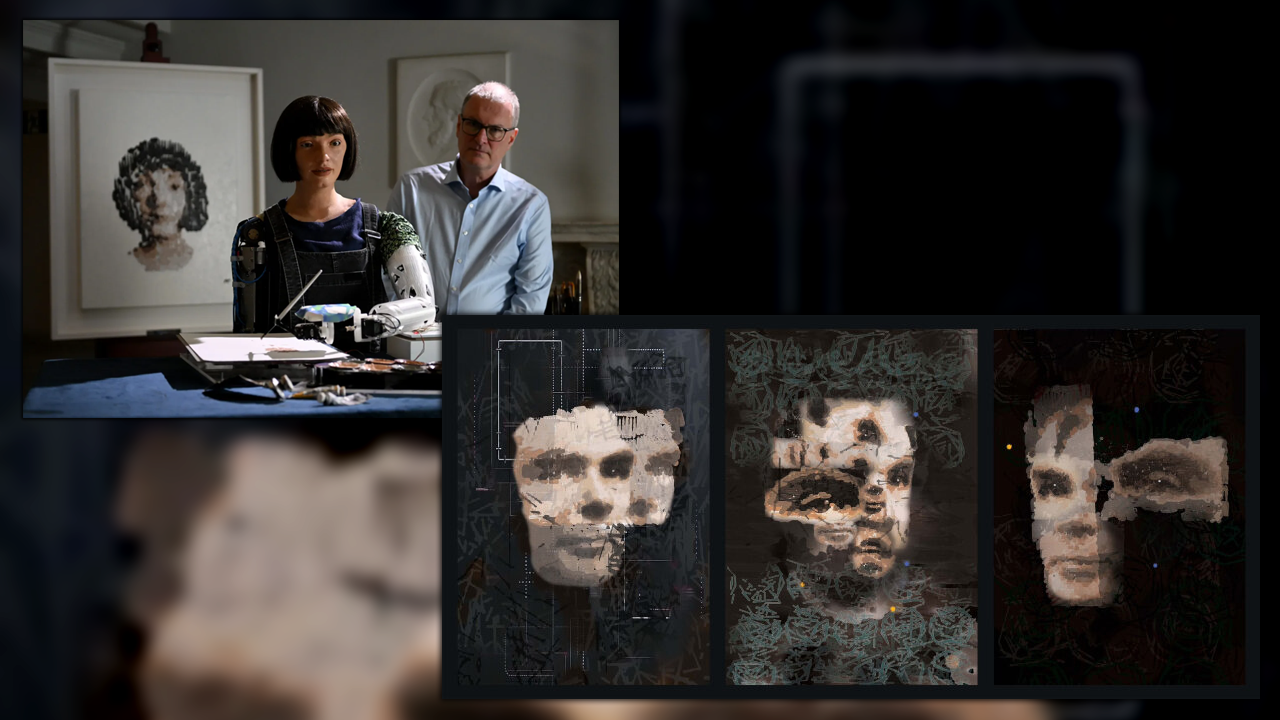
The art world has become a battleground of innovation, ethics, and digital transformation. Artificial intelligence (AI) has evolved from a tool for generating art to a collaborative partner in creative processes. AI-driven tools like DALL·E and Midjourney have become mainstream, with artists integrating generative algorithms into their workflows. The Art Basel fair has been seeing a surge in AI-generated works, such as the most notable piece of AI art to sell for over one million dollars, “A.I. God. Portrait of Alan Turing”, created by the humanoid robot artist Ai-Da. It sold at a Sotheby’s auction in November 2024 for $1.08 million, but debates persist: Is AI art “authentic” or a mere mimicry of human creativity? Critics argue it undermines artistic value, while proponents see it as a democratizing force that challenges traditional gatekeepers.

The NFT (non-fungible token) ecosystem has matured, with blockchain-based art transactions becoming more institutionalized. The 2026 Venice Biennale featured a groundbreaking NFT auction of a digital installation, Digital Dreams, valued at $200 million. However, the environmental toll of blockchain transactions and the lack of provenance in digital works have sparked regulatory scrutiny. In response, the European Union proposed the Digital Operational Resilience Act, aiming to standardize NFT transactions and ensure transparency. Meanwhile, artists are exploring hybrid models, blending NFTs with physical exhibitions to create immersive, multi-platform experiences.

The pandemic’s aftermath has reshaped how art is consumed and created. Virtual reality (VR) and augmented reality (AR) have become pivotal, with immersive installations like The Gallery of Lost Things (a VR experience by artist Refik Anadol) dominating 2026 art fairs. Galleries are investing in metaverse platforms, such as the Decentraland art space, where digital sculptures and interactive exhibits can transcend physical boundaries. Social media platforms like Instagram and TikTok have also evolved, with artists using AI tools to generate content tailored to specific audiences. This shift has blurred the lines between art and commerce, as digital art becomes a primary monetization strategy.

Socially conscious art movements have expanded, with artists addressing climate change, gender equality, and technological ethics. The Ice Watch project, which brought chunks of melting ice to public spaces, has inspired global installations. In 2026, Afrofuturism and climate activism coalesced, with artists like Olafur Eliasson creating works that merge art with environmental advocacy. Meanwhile, the rise of “space art” has captured attention, as private companies like SpaceX and NASA collaborate with artists to explore cosmic themes in installations and conceptual pieces.

The role of the artist as a curator has also shifted. Hybrid models, such as “artist-curated metaverses,” allow creators to host immersive, community-driven exhibitions. Platforms like Artemis have democratized access to global audiences, enabling artists from underrepresented backgrounds to gain visibility. However, this shift raises questions about the artist’s role in curating their own work versus relying on algorithms to determine its success.

As the art world embraces technology, the future remains uncertain. While AI and NFTs redefine art’s boundaries, ethical dilemmas persist: How to balance innovation with authenticity? How to preserve value in a digital age? The art scene is a testament to resilience, proving that creativity can thrive in a rapidly evolving landscape. Whether through AI-generated portraits, blockchain-backed sales, or immersive virtual experiences, the next chapter of art will be defined by its ability to adapt while remaining rooted in human expression.