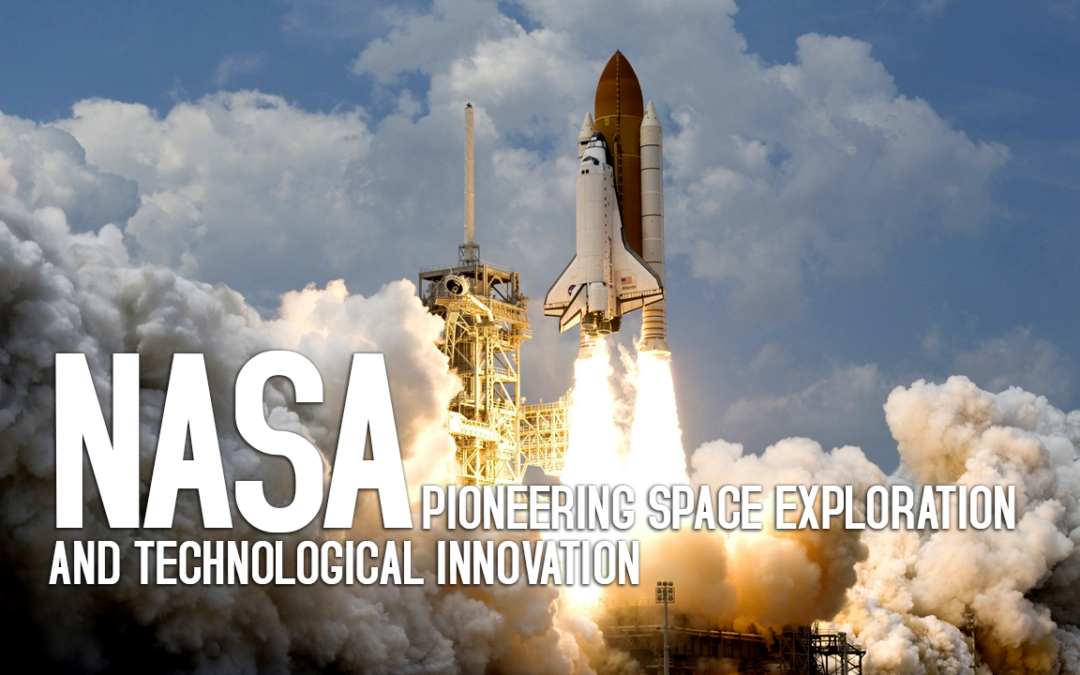
NASA

NASA

Pioneering Space Exploration and Technological Innovation
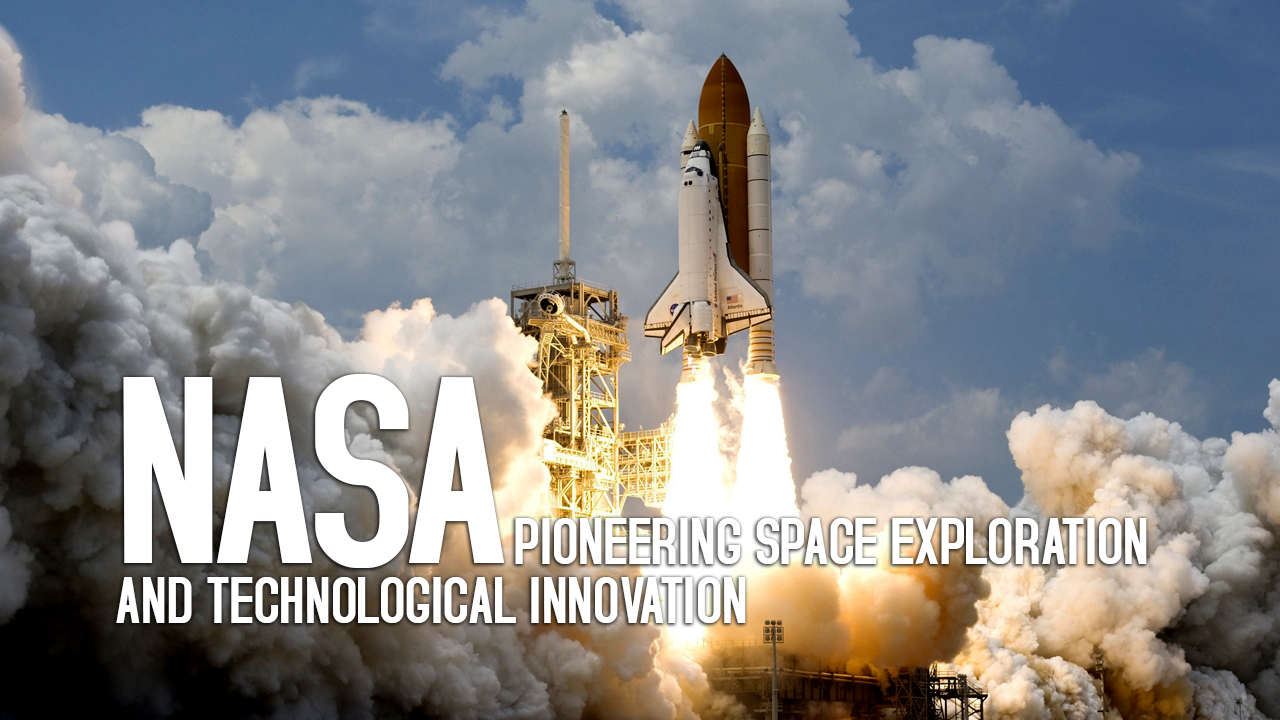
The National Aeronautics and Space Administration (NASA), established in 1958, stands as a monumental institution in the history of human space exploration. Originating during the Cold War era as a response to the Soviet Union’s advancements in rocketry, NASA’s primary mission was to explore space and ensure American technological leadership. Its creation marked a pivotal moment in humanity’s journey toward the cosmos, with the Apollo program’s first moon landing in 1969 symbolizing its unparalleled success. Today, NASA continues to push the boundaries of science and engineering, addressing challenges from climate change to interplanetary travel.

NASA’s legacy is rooted in its pivotal role in the space race. The Mercury and Gemini programs laid the groundwork for human spaceflight, while the Apollo missions achieved the extraordinary feat of landing astronauts on the Moon. These achievements not only demonstrated the feasibility of interplanetary travel but also inspired generations of scientists and engineers. Post-Apollo, NASA shifted focus to sustainable space exploration, culminating in the International Space Station (ISS) program, which became a collaborative effort between multiple nations. The ISS remains a testament to international cooperation and the potential of space research to advance human knowledge.

Technological innovation is another cornerstone of NASA’s mission. From the invention of the hydrogen-filled rocket to the development of the space shuttle, NASA has continually pioneered cutting-edge technologies. Its contributions to fields such as satellite technology, radar, and computer science are foundational to modern life. More recently, NASA’s Mars rover missions, like Perseverance, have revealed vital insights into planetary geology and potential past life. The James Webb Space Telescope, launched in 2021, has revolutionized our understanding of the early universe and galaxy formation. These innovations highlight NASA’s dual role as both a scientific laboratory and a driver of technological progress.

Beyond exploration, NASA plays a critical role in addressing global challenges. Climate change research conducted aboard the ISS and through satellite data helps monitor environmental shifts, while asteroid defense initiatives, such as the DART mission, aim to protect Earth from potential impacts. Additionally, NASA’s partnerships with private industries, like SpaceX and Blue Origin, foster economic growth and sustainable space travel. The agency’s focus on space-based solutions, from renewable energy to space medicine, underscores its commitment to using science for the betterment of humanity.

NASA’s impact spans centuries, from pioneering the space race to shaping the future of space exploration. Its legacy is etched in milestones like the Moon landing and the ISS, while its modern endeavors reflect a forward-thinking approach to scientific discovery and technological advancement. As humanity looks to the stars, NASA remains a beacon of innovation, inspiring nations and individuals alike to dream beyond Earth. Through its unwavering dedication to exploration and stewardship, NASA ensures that the spirit of curiosity and progress continues to drive human progress for generations to come.


The Venice Biennale

The Venice Biennale

held annually in the Venetian lagoon

The Venice Biennale, held annually in the Venetian lagoon, is one of the most prestigious cultural events in the world. Located in the historic city of Venice, the Biennale serves as a platform for contemporary art, fostering international dialogue and collaboration among artists, curators, and cultural institutions. Since its inception in 1895, it has evolved from a simple exhibition of art to a multifaceted platform that highlights innovation, cultural exchange, and the interplay between art and society. The event is organized by the International Art Community, with the Italian government acting as the host, and it showcases the best of global art practices, making it a cornerstone of the international art world.

The Biennale’s structure is both its strength and its challenge. It features a main exhibition, often divided into pavilions representing different countries or themes, and a series of parallel exhibitions, installations, and events. The main pavilions are typically organized around a central theme, such as “Climate Change,” “Digital Culture,” or “Gender and Art,” which reflects current global concerns. The Venice Biennale’s success hinges on its ability to bridge cultural divides and celebrate artistic diversity, while also addressing pressing issues like environmental sustainability, technology, and social justice. Notable events include the 2019 exhibition on climate change, which drew attention to ecological crises, and the 2022 theme on digital culture, exploring AI, virtual reality, and their impact on society.

The Biennale’s influence extends beyond art through its role in shaping cultural policies and fostering cross-border partnerships. It has inspired initiatives like the Venice Biennale of Film and the Venice Biennale of Architecture, further expanding its reach. Artists and critics alike praise its ability to push boundaries, with the 2022 Venice Biennale, for instance, being controversial for its focus on digital culture and its financial sustainability. Despite these challenges, the Biennale remains a vital force in the global art scene, attracting millions of visitors and ensuring its continued relevance in an ever-evolving cultural landscape.

Ultimately, the Venice Biennale is more than an exhibition—it is a living testament to the power of art to provoke thought, inspire change, and unite communities across the globe. Its legacy lies in its ability to adapt to contemporary issues while preserving its commitment to artistic excellence and cultural dialogue. As the world continues to navigate technological, environmental, and social transformations, the Biennale will remain a vital arena for exploring the future of art and its role in shaping our collective identity. Its enduring appeal and influence underscore its significance as a beacon of creative innovation and cross-cultural exchange.

Attack of the Giant Leeches

Attack of the Giant Leeches

Attack of the Giant Leeches

In the Florida Everglades, a pair of larger-than-human, intelligent Leech are living in an underwater cave. They begin dragging local people down to their cave where they hold them prisoner and slowly drain them of blood.

One of the first people to be so taken is the local vixen, Liz Walker, played by Yvette Vickers. After a couple of gratuitous displays of flesh (Vickers appeared as the centerfold in the July 1959 issue of Playboy), and some running around on her husband (Bruno VeSota), Liz finds herself a prisoner of the leeches along with her current paramour. Game warden Steve Benton (Ken Clark (actor)) sets out to investigate their disappearance. Aided by his girlfriend Nan Grayson (Jan Sheppard) and her father, Doc Grayson, he discovers the cavern.