Technological Ethics

Technological Ethics

and Its Impact on AI, Art, and the Internet
Technological ethics, the study of moral principles guiding the development and use of technology, is increasingly critical in the age of artificial intelligence (AI), digital art, and the internet. As technology shapes human interaction and creativity, ethical frameworks must address dilemmas such as algorithmic bias, data privacy, and the authenticity of AI-generated art. These challenges demand a nuanced approach that balances innovation with responsibility.

AI Ethics: Bias, Accountability, and Transparency
AI systems, while transformative, often inherit ethical flaws from their training data, leading to biased outcomes. For instance, facial recognition technologies disproportionately misidentify people of color, highlighting the need for equitable data acquisition and algorithmic auditing. Ethical concerns also arise when AI lacks transparency, such as in deepfakes or black-box models, where users struggle to discern real from fake content. To address these issues, developers must prioritize fairness, accountability, and explainability. Frameworks like the Montreal Principles on AI emphasize the importance of human-centric design, ensuring AI systems respect user autonomy and avoid harm.

Art and the Internet: Authenticity, Ownership, and Creativity
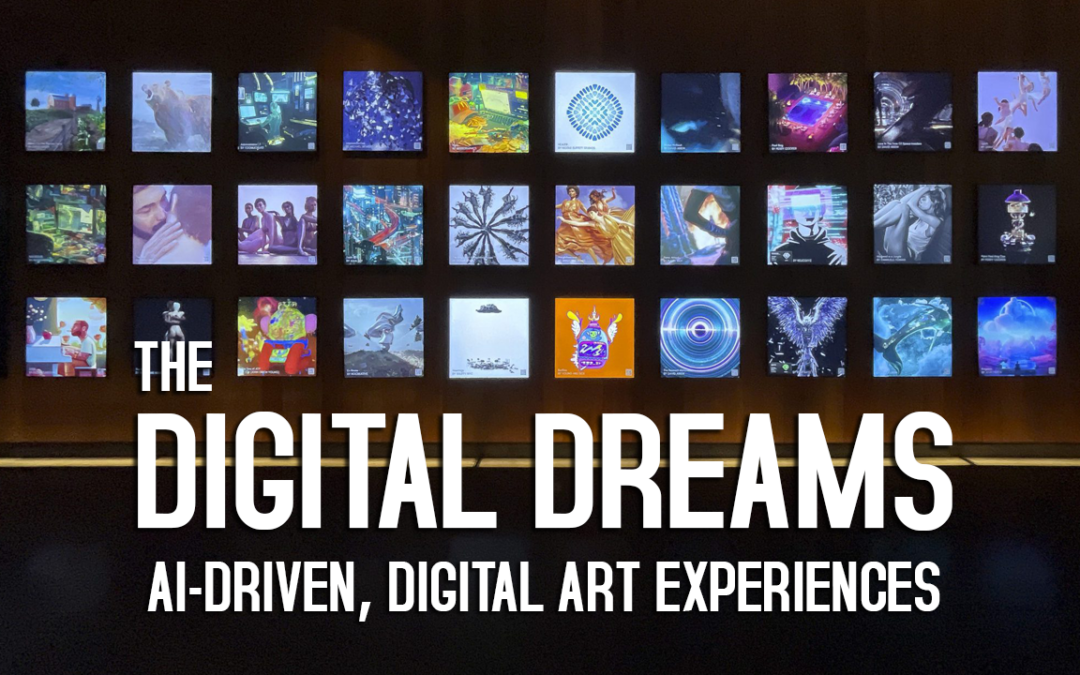
The internet has revolutionized art creation, enabling global collaboration and decentralized ownership. Digital artists, for example, can bypass traditional galleries to sell work directly to audiences, challenging conventional notions of authorship. However, this shift raises ethical questions about originality and copyright. AI-generated art, in particular, complicates these issues: while some argue it democratizes creativity, others claim it undermines artistic integrity by mimicking human techniques. Ethical guidelines must balance innovation with respect for intellectual property, ensuring artists retain rights while leveraging technology to push creative boundaries.

Internet Ethics: Privacy, Surveillance, and Digital Rights
The internet’s dual role as a tool for connection and exploitation necessitates robust ethical frameworks. Data privacy violations, such as Cambridge Analytica’s misuse of Facebook user data, underscore the need for secure, transparent data practices. Platforms must prioritize user consent and minimize data collection. Additionally, the Metaverse, a virtual space for social interaction, raises concerns about surveillance, identity theft, and digital rights. Ethical guidelines should protect users’ autonomy while fostering inclusive, equitable digital environments.

Conclusion
Technological ethics is indispensable in shaping a future where AI, art, and the internet coexist responsibly. By addressing bias, privacy, and authorship, we can harness technology to enhance human life without compromising moral principles. As innovation accelerates, continuous dialogue among policymakers, technologists, and ethicists will be vital to ensuring technology serves humanity’s best interests. The challenge lies in balancing progress with accountability, creating a digital landscape where ethical choices guide every aspect of technological development.

DORA

DORA

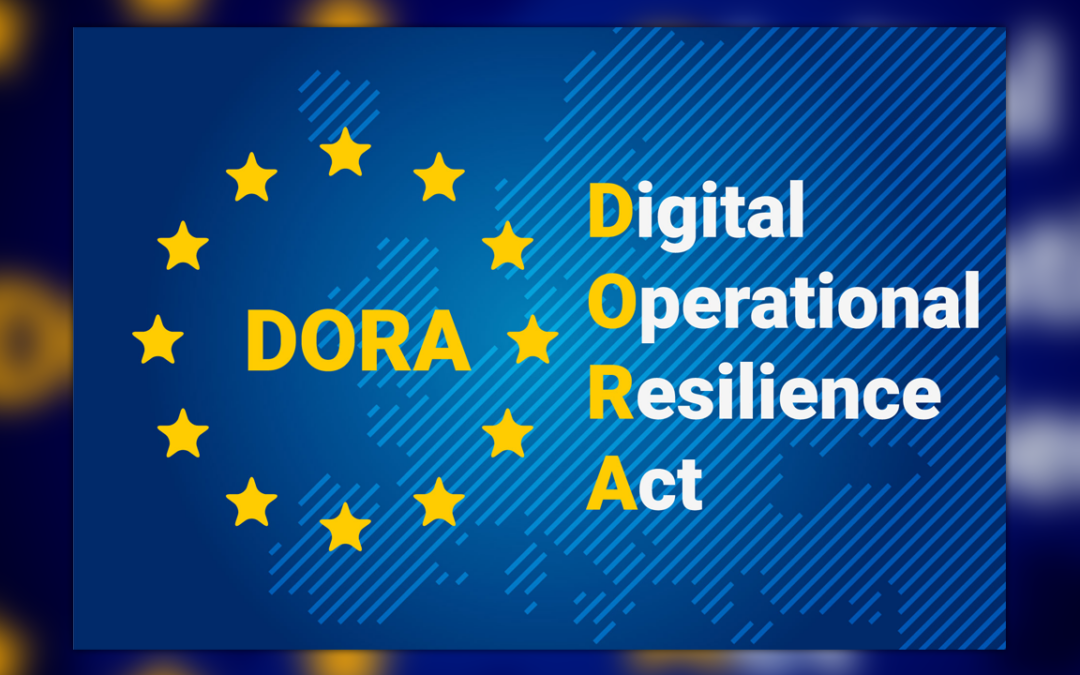
The Digital Operational Resilliance Act

The Digital Operational Transparency Act (DOTA) interchangeably (DORA) the Digital Operational Resilience Act, is a legislative framework designed to enhance transparency and accountability in the operation of digital systems, particularly in public and private sectors. While not a widely recognized act in mainstream legal literature, its conceptualization reflects broader trends in digital governance, where transparency is increasingly seen as a cornerstone of trust in technology-driven institutions. The act emerged amid growing concerns over the opaque algorithms, data practices, and surveillance mechanisms that characterize modern digital ecosystems. Its development was catalyzed by technological advancements, evolving public expectations, and the need to address systemic inequities in data utilization.

The origins of the DOTA can be traced to the late 20th and early 21st centuries, when the rise of internet-based services and artificial intelligence (AI) systems began to outpace regulatory frameworks. Early initiatives, such as the EU’s General Data Protection Regulation (GDPR) (2018), emphasized user control over personal data and algorithmic bias. These frameworks laid the groundwork for transparency requirements in digital operations. In the U.S., the Computer Fraud and Abuse Act (CFAA) and the CLOUD Act (2018) sought to regulate data access, but they lacked specificity on operational transparency. The DOTA, therefore, was conceived to address gaps in these efforts, particularly in ensuring that digital platforms disclose how data is collected, processed, and shared without undue secrecy.

The act’s proponents—often technologists, civil society groups, and policymakers—argued that opaque systems undermine democratic processes and exacerbate social divides. They emphasized the need for accountability, especially in sectors like finance, healthcare, and law enforcement, where data misuse risks are high. The DOTA likely drew inspiration from global trends, such as the Open Data Charter and the Digital Literacy Movement, which advocate for open access to information. By mandating transparency in operational data flows, the act aimed to empower citizens to scrutinize algorithmic decisions and hold corporations and governments accountable for their practices.

Key provisions of the DOTA would likely include requirements for disclosure of data sources, processing algorithms, and user consent mechanisms. It may also impose penalties for non-compliance and mandate independent audits to verify transparency claims. Such measures would align with the principle of “data minimization,” ensuring that only necessary data is collected and retained. The act’s impact would depend on the strength of enforcement, the willingness of stakeholders to comply, and the extent to which it balances innovation with oversight.

The DOTA represents a response to the challenges of digital transparency, reflecting a broader global movement toward ethical tech governance. Its development underscores the tension between technological progress and democratic accountability. While the act’s success hinges on its ability to balance flexibility with enforceability, it remains a critical tool for fostering trust in the digital age. As digital systems grow more complex, the principles enshrined in the DOTA—transparency, accountability, and user empowerment—will likely serve as a model for future legislation addressing emerging technologies.

At the time of writing this article all research into Dota leads to Dora. I am under the assumption they are related, or the same.