
A Transformative Technological Frontier
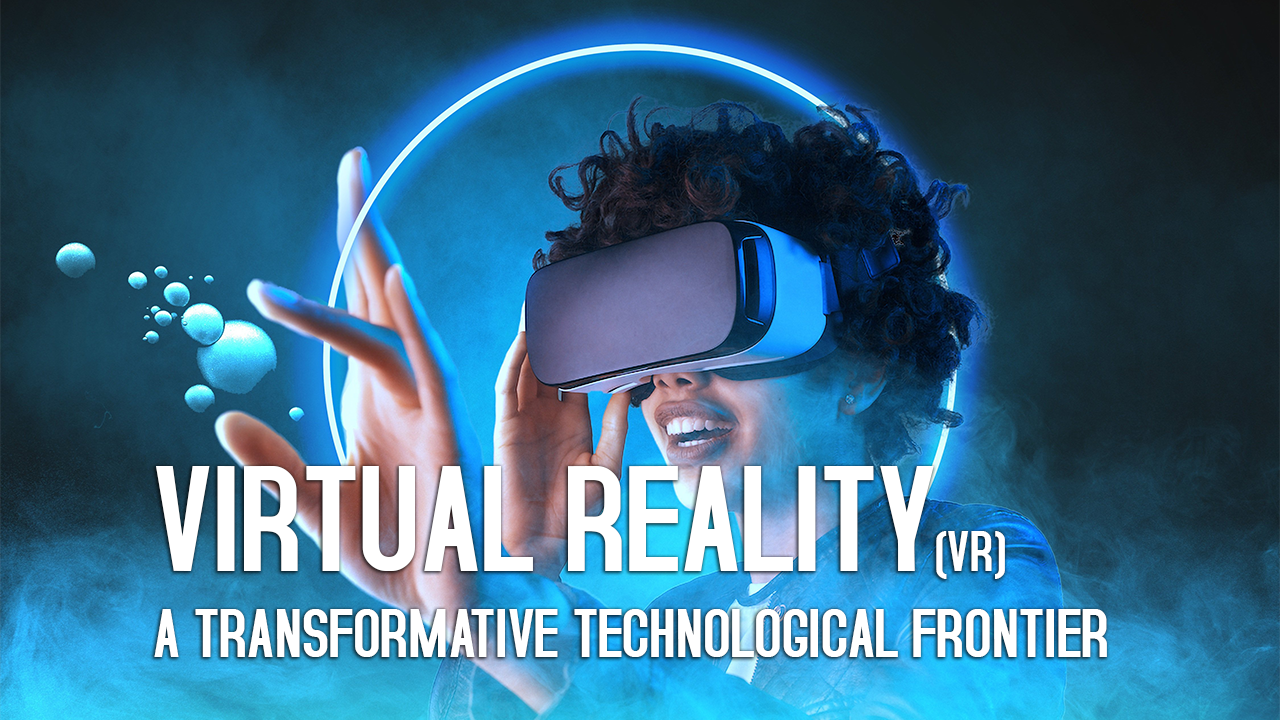
Virtual Reality (VR) represents a groundbreaking advancement in immersive technology, fundamentally altering how humans interact with digital environments. At its core, VR creates a simulated universe that users can explore through specialized hardware, such as headsets and motion-tracking devices. Unlike traditional user interfaces, VR immerses users in a 360-degree digital world, fostering a sense of presence that transcends physical boundaries. This immersive quality has revolutionized industries ranging from gaming to education, healthcare, and beyond.
The technological foundation of VR relies on sophisticated components, including high-resolution displays, advanced sensors, and real-time rendering algorithms. Headsets like the Oculus Rift or HTC Vive utilize stereoscopic displays and ergonomic designs to track head and body movements, ensuring seamless user interaction. Additionally, motion-tracking technologies, such as optical motion capture or inertial measurement units (IMUs), enable users to manipulate virtual objects with natural gestures, enhancing the realism of the experience. The integration of sensory devices, including haptic feedback systems and spatial audio, further enhances immersion by simulating tactile and auditory cues.
VR’s applications span multiple domains. In gaming, VR offers unparalleled engagement by allowing players to physically interact with virtual environments, fostering a sense of agency and realism. In education, VR enables experiential learning, such as virtual dissections or immersive history tours, which can improve retention and engagement. In healthcare, VR is employed for therapeutic purposes, such as treating PTSD through exposure therapy or aiding in rehabilitation by simulating real-world scenarios for patients to practice skills. Meanwhile, in marketing, VR creates interactive ad experiences that allow consumers to “walk through” products, enhancing brand interaction and decision-making.
Social interactions have also been reshaped by VR. Virtual environments enable remote collaboration, allowing teams to gather in shared spaces for meetings or creative projects. Platforms like VRChat or Meta’s Horizon Worlds foster social connectivity by enabling users to interact in customizable digital worlds. However, the psychological impact of prolonged VR use remains a topic of debate. Critics argue that excessive immersion could lead to social isolation or distorted perceptions of reality, while proponents highlight its potential to reduce physical barriers and enhance global communication.
Despite its transformative potential, VR faces challenges that limit its widespread adoption. Issues such as user comfort, content quality, and cost hinder accessibility. Motion sickness, eye strain, and the need for high-end hardware can deter casual users, while the lack of standardized content limits its utility across industries. Additionally, the rapid evolution of VR technology requires continuous investment in research and development to ensure seamless integration with emerging trends, such as augmented reality (AR) and AI-driven personalization.
Looking ahead, VR is poised to evolve further, driven by advancements in AI, 5G connectivity, and wearable devices. Future innovations may include more intuitive user interfaces, seamless hybrid experiences between VR and AR, and the development of brain-computer interfaces that eliminate the need for traditional hardware. As hardware becomes more affordable and software becomes more immersive, VR is likely to become an inseparable part of daily life, redefining how people learn, work, and entertain themselves.
In conclusion, Virtual Reality stands at the forefront of technological innovation, offering immersive experiences that redefine human interaction. While challenges remain, its potential to revolutionize industries and enhance human connectivity makes it a cornerstone of the future digital landscape. As technology continues to advance, VR will undoubtedly play a pivotal role in shaping the next era of digital immersion.