Artemis Adventure

Artemis Adventure

A LEGO® Bricks-Driven Cosmic Quest
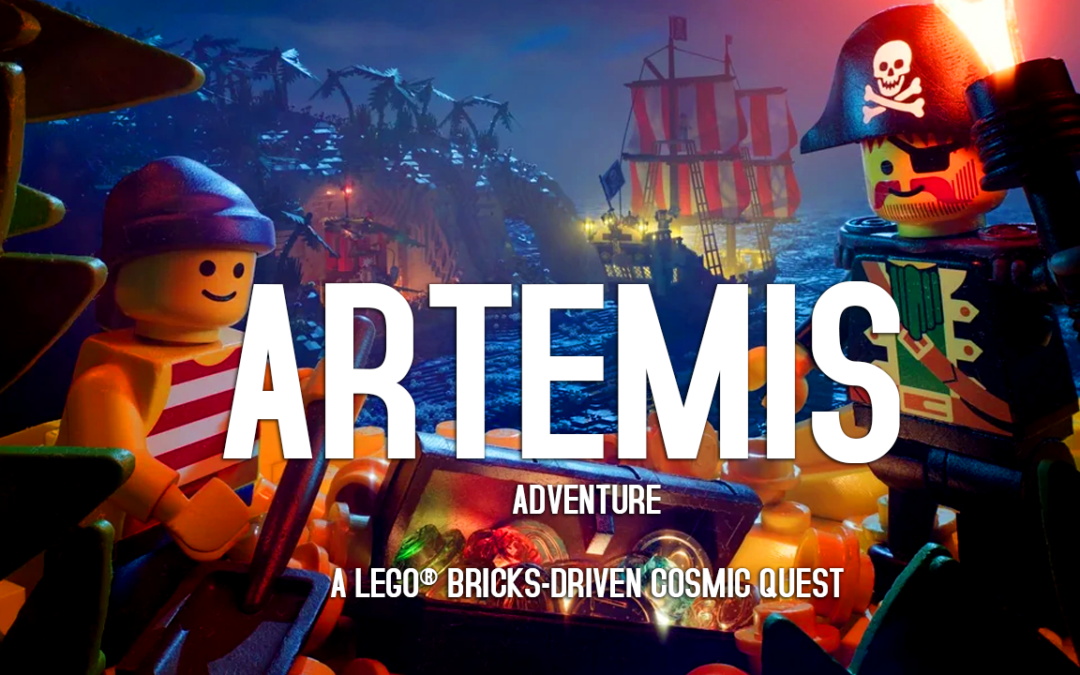
Artemis Adventure is a groundbreaking educational and entertainment platform that merges the creativity of LEGO® Bricks with immersive storytelling, offering players a unique blend of building, exploration, and problem-solving. At its core, the game revolves around a lunar base, the Artemis mission, and the exploration of a futuristic world where players use LEGO bricks to construct habitats, vehicles, and structures. This interactive experience not only fosters spatial reasoning and design skills but also encourages collaborative storytelling and imaginative play.

The game’s premise is deceptively simple: players begin by building a lunar habitat using LEGO bricks, which they then use to navigate a procedurally generated world. The construction phase is central, as players must strategically place bricks, balance structures, and utilize the game’s physics engine to create stable environments. This tactile engagement mirrors real-world engineering challenges, teaching players about weight distribution, structural integrity, and creative adaptation. The LEGO Bricks serve as both tools and metaphors, allowing players to experiment with design while maintaining a sense of accomplishment through tangible outcomes.

Beyond construction, Artemis Adventure emphasizes narrative immersion through its branching storylines and character interactions. Players can influence the plot by making decisions that affect the lunar base’s future, such as whether to establish a research station or prioritize resource conservation. This element of agency highlights the game’s focus on player agency, a key aspect of LEGO’s philosophy of fostering creativity. The game also incorporates environmental storytelling, where the world reacts to the players’ actions, reinforcing the idea that building and exploring are intertwined with the game’s progression.

The educational value of Artemis Adventure is multifaceted. It promotes STEM learning by integrating concepts of physics, engineering, and design into gameplay. Players must troubleshoot issues like unstable platforms or malfunctioning machinery, requiring critical thinking and iterative problem-solving. Additionally, the game encourages fine motor skills and hand-eye coordination through precise brick placement, while also nurturing spatial awareness and abstract reasoning. Its accessibility, with adjustable difficulty levels and modular gameplay, makes it appealing to both children and adults, bridging generational gaps.

Ultimately, Artemis Adventure stands out for its innovative approach to combining physical construction with digital storytelling. By leveraging LEGO Bricks as a medium for exploration, the game transforms passive entertainment into an active, participatory experience. It appeals to those who enjoy building, storytelling, and interactive play, while also serving as a tool for learning and creativity. Whether used in a classroom to teach engineering or as a solo adventure for a child, the game’s blend of fun, education, and imagination makes it a standout title in the realm of educational entertainment.

Artemis Adventure exemplifies how LEGO Bricks can evolve beyond toy kits into a dynamic platform for storytelling and learning, proving that play is not just about building—it’s about creating, exploring, and discovering.
Space Art

Space Art

A Reflection of Human Curiosity and Technological Innovation

Space art, a dynamic and evolving field, captures the human imagination by translating the vastness of space into visual, conceptual, and technological forms. It encompasses everything from traditional visual art to cutting-edge digital media, reflecting humanity’s fascination with the cosmos and its potential. This art form is not merely about depicting space; it is about exploring the philosophical, scientific, and cultural implications of our place in the universe. Through various mediums, space art challenges viewers to contemplate themes such as the fragility of Earth, the allure of exploration, and the ethical dilemmas of space colonization.

One of the most enduring forms of space art is visual art, which has historically depicted celestial phenomena and space exploration. Artists like Salvador Dalí, with his surreal landscapes of the cosmos, and Andy Warhol, who staged “space” as a metaphor for pop culture, have used their work to interrogate the relationship between art and technology. Contemporary artists such as Jenny Holzer and TeamLab push the boundaries of traditional mediums, employing digital installations and immersive environments to create interactive experiences that simulate space. These works often confront viewers with the stark contrasts between the serene beauty of the cosmos and the existential threats posed by climate change or overpopulation.

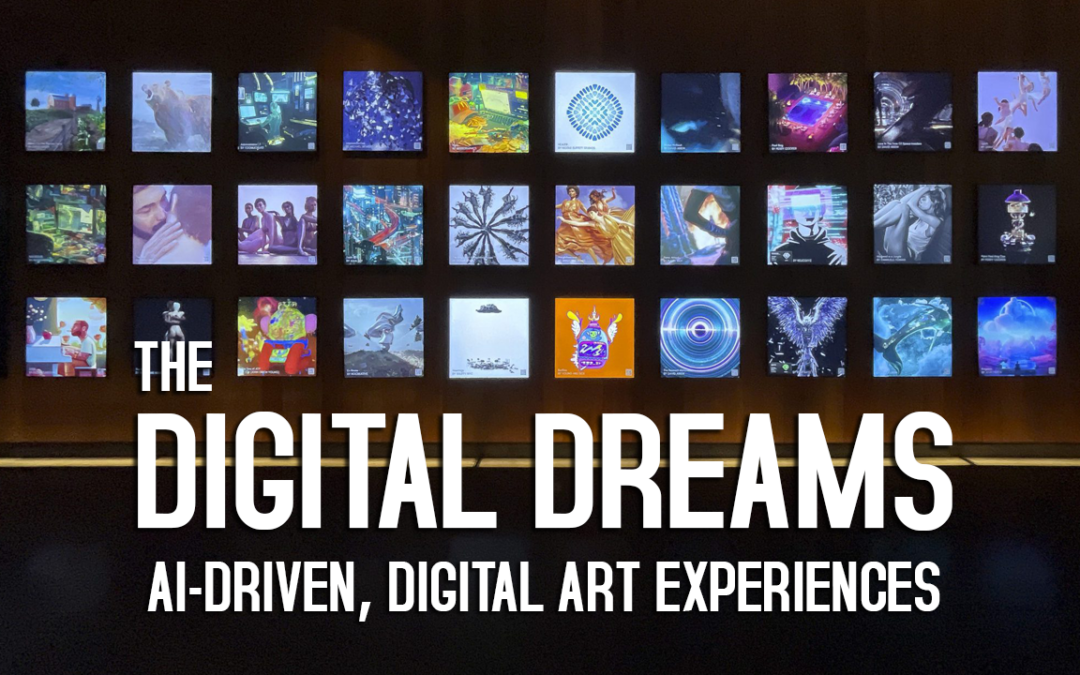
Space art also thrives in the realm of digital and interactive media, where technology enables artists to create dynamic, ever-changing visual experiences. Artists like Hito Steyerl and Refik Anadol use algorithms, virtual reality, and augmented reality to craft immersive environments that mimic the alien landscapes of space. For instance, Refik Anadol’s AI-generated art pieces explore the concept of data and its visualization in the cosmos, while TeamLab’s installations use real-time interaction to evoke the sense of being “lost in space.” These works highlight the interplay between human creativity and technological innovation, demonstrating how space art can transcend physical limitations to engage audiences in new ways.

Beyond aesthetic value, space art plays a crucial role in raising awareness about pressing global issues. Climate change, space colonization, and the ethics of extraterrestrial exploration are increasingly addressed through art that merges science with philosophy. Artists like Olafur Eliasson and Anish Kapoor use space art to provoke thought about humanity’s responsibility toward the environment and the stars. For example, Eliasson’s “The Weather Project” visualizes climate change through immersive installations, while Kapoor’s sculptures explore the tension between human ambition and the natural world. Such works underscore the dual role of space art as both a mirror of our collective consciousness and a catalyst for dialogue on critical global issues.

In conclusion, space art is a multifaceted discipline that bridges art, science, and technology. It invites viewers to engage with the cosmos through innovative techniques, while also reflecting humanity’s aspirations and anxieties. As technology continues to advance, space art will likely evolve further, incorporating new mediums and ideas to explore the frontiers of imagination. Whether through traditional pigments, digital pixels, or conceptual frameworks, space art remains a powerful means of expressing the human spirit’s enduring quest to understand and transcend the limits of the universe. Its future will depend on how artists continue to push the boundaries of creativity, ensuring that space remains a source of inspiration for generations to come.

The Gallery of Lost Things

The Gallery of Lost Things

a pioneering VR experience by artist Refik Anadol

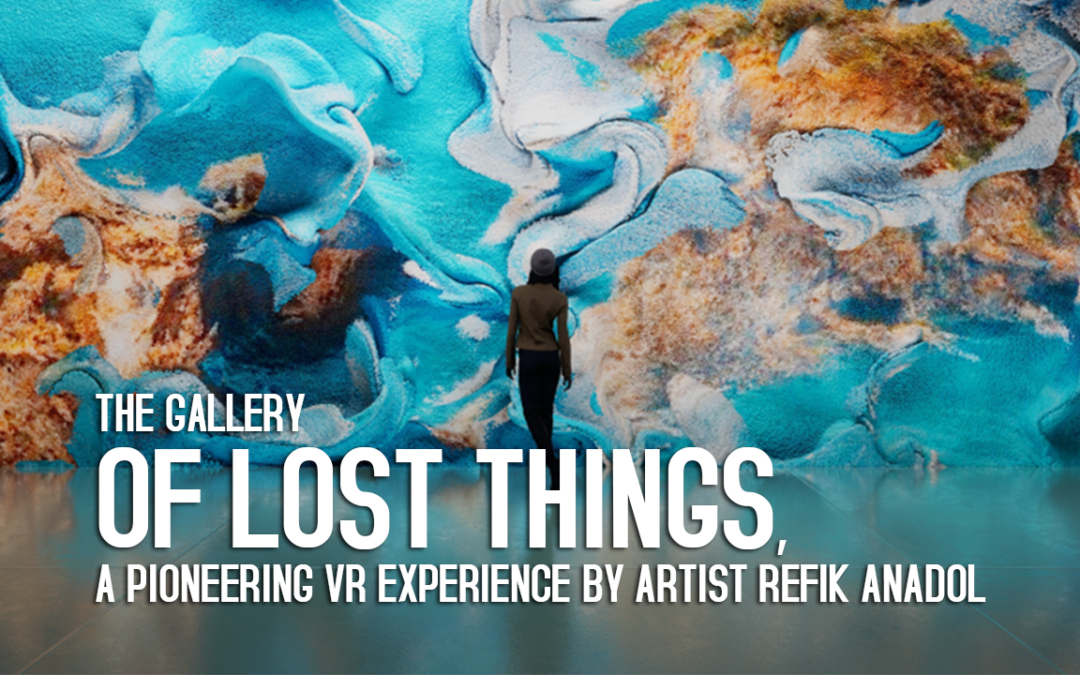
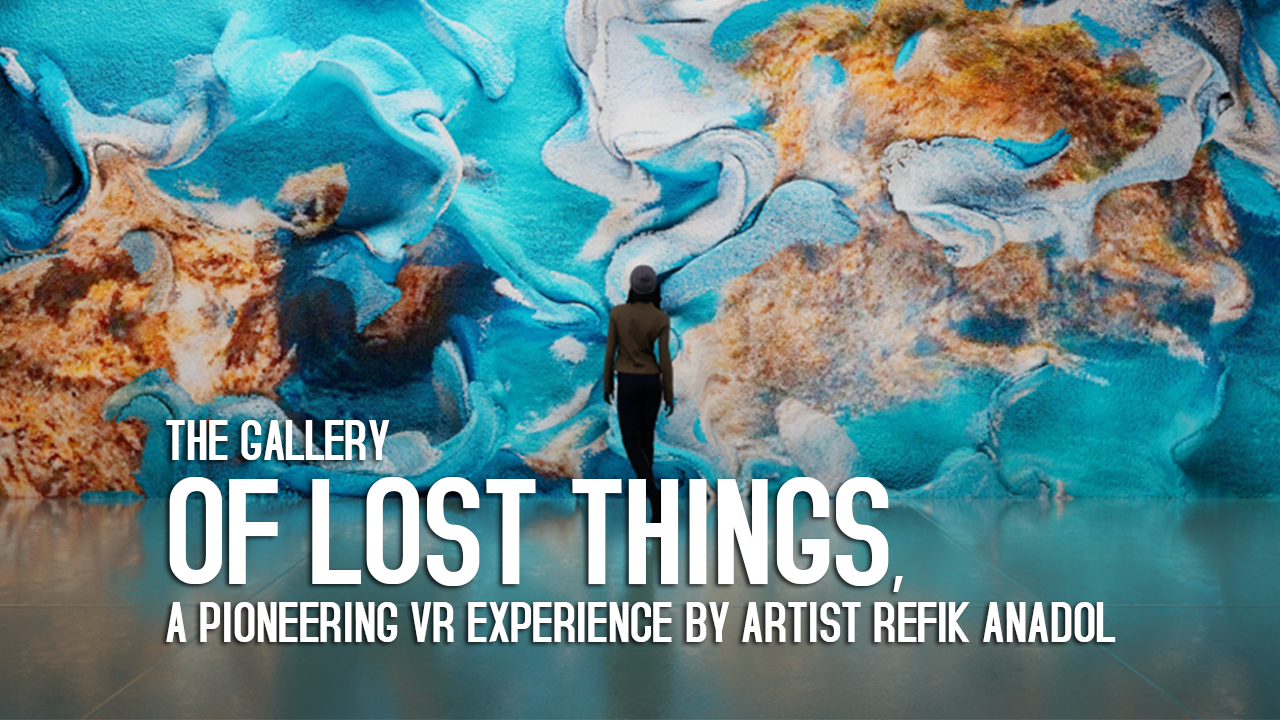
The Gallery of Lost Things, a pioneering VR experience by artist Refik Anadol, is a multisensory exploration of memory, identity, and the fragility of human experience. Installed at the University of Notre Dame’s Center for Digital Research and Innovation, this immersive installation invites viewers to navigate a digital landscape where memories are not just preserved but reconstructed through interactive, AI-driven environments. At its core, the work interrogates the concept of “lost things”—not physical objects, but intangible fragments of identity, emotion, and history. By blending art, technology, and psychology, Anadol creates a space where viewers confront the impermanence of memory and the fluidity of self.

The installation’s conceptual framework is rooted in the idea that memory is both a repository and a process. The Gallery of Lost Things employs advanced machine learning algorithms to analyze viewer data, transforming their interactions into dynamic, personalized experiences. As viewers move through the space, their choices influence the environment—a rotating sphere of data fragments that morphs in response to their emotions and movements. This interactivity challenges passive consumption of art, instead positioning the viewer as an active participant in the narrative. The experience is further enriched by sensory elements, such as the texture of virtual surfaces and the resonance of ambient sounds that shift as the viewer’s emotional state evolves, mirroring the imperfections of human memory.

Technologically, Anadol’s work exemplifies the intersection of art and AI. The Gallery of Lost Things is a culmination of his research in data visualization and interactive media, using real-time analytics to generate unique visualizations of the viewer’s experience. The “memory sphere,” a central feature, functions as both a metaphor and a mechanism: it accumulates fragments of the viewer’s interactions, creating a personalized archive of their journey. This concept resonates with contemporary discourse on digital identity, where personal histories are often fragmented and curated. By making the viewer’s own memories visible and interactive, the installation blurs the line between art and self-exploration, urging reflection on how we construct and perceive our identities in the digital age.

Thematically, the Gallery of Lost Things explores the duality of memory—its capacity to both preserve and distort. The installation’s title reflects this tension: while some memories are cherished, others are lost, erased, or misremembered. Through its immersive design, Anadol highlights the vulnerability of human cognition, where our sense of self is constantly shaped by external influences and internal reflections. The “memory sphere” becomes a symbol of this process, its shifting fragments representing the ever-changing nature of identity. Moreover, the work engages with postmodern concerns about the fragmentation of reality, questioning whether our perceptions of truth are ever absolute. By allowing viewers to navigate their own emotional landscapes, the installation becomes a mirror for individual introspection, inviting participants to confront their own vulnerabilities and uncertainties.

Beyond its artistic and technological achievements, The Gallery of Lost Things raises broader questions about the role of art in the digital era. Anadol’s work exemplifies how contemporary artists are leveraging emerging technologies to redefine the boundaries of sensory engagement and participatory experience. The installation’s success lies in its ability to merge the physical and the virtual, the personal and the collective, creating a space where art is not just observed but inhabited. It challenges traditional notions of exhibition, positioning the viewer as both observer and co-creator. In doing so, it underscores the importance of art in fostering empathy and self-awareness, particularly in an age of rapid technological change.

Augmented Reality (AR)

Augmented Reality (AR)

A Transformative Technology

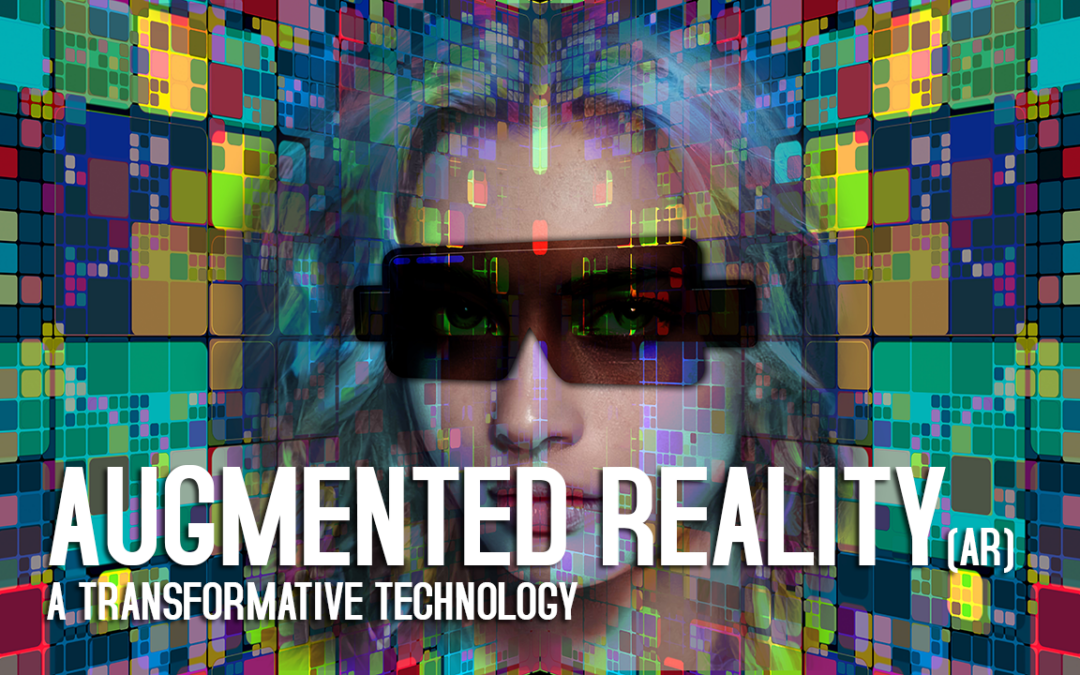
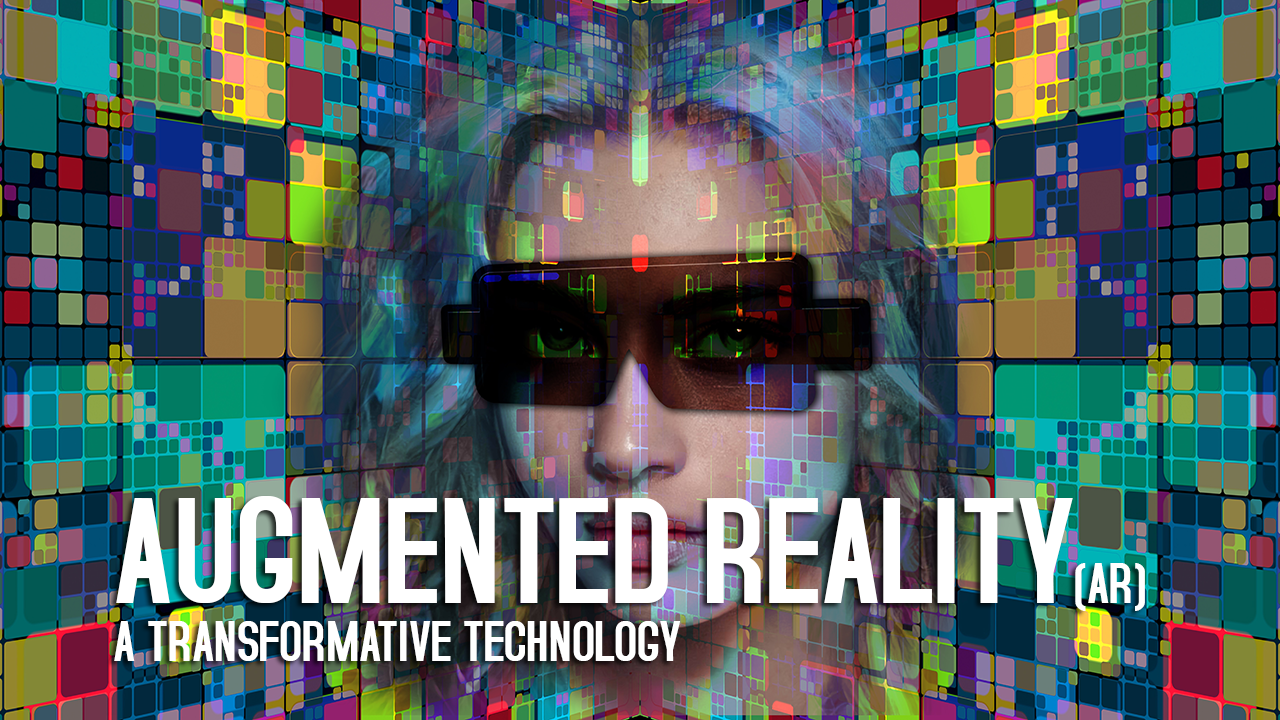
Augmented Reality (AR) is a technological innovation that overlays digital information onto the real world, enhancing the user’s sensory experience by integrating virtual elements with physical environments. Unlike traditional virtual reality (VR), which creates a completely immersive simulated world, AR enhances the real world with interactive digital enhancements. This distinction makes AR particularly useful in scenarios where users need to remain grounded in reality while still benefiting from augmented content.

One of the most prominent applications of AR is in entertainment and gaming, where it transforms how users engage with interactive experiences. Platforms like Pokémon GO and AR-based games such as Pokémon Go use AR to superimpose virtual characters and objects onto the real world, encouraging players to explore their surroundings. Similarly, in film and television, AR is used to create immersive, interactive environments, such as the Ready Player One universe, where users can navigate a hyper-realistic, augmented world through headsets. These applications not only entertain but also foster a sense of presence and interaction that traditional media cannot replicate.

In healthcare, AR is revolutionizing training and diagnostics. Medical professionals use AR to visualize complex anatomical structures in 3D, aiding in surgical planning and patient education. For example, AR-enhanced training simulators allow surgeons to practice procedures in a risk-free environment. Additionally, AR is being used in rehabilitation to assist patients with injuries or disabilities by providing real-time feedback and guiding therapy sessions. This integration of AR into medical practices highlights its potential to improve both diagnostic accuracy and patient outcomes.

Education is another field where AR is making significant strides. AR-enhanced learning tools allow students to explore historical events in immersive 3D environments, such as virtual reconstructions of ancient Rome or the Great Wall of China. Similarly, students can use AR apps to conduct virtual experiments in science class, making abstract concepts like atomic structures or planetary movements more tangible. These interactive experiences cater to diverse learning styles and enhance engagement, making education more accessible and effective.

The retail industry has also embraced AR to improve customer experiences. Virtual try-ons, such as those offered by brands like Zara and IKEA, allow customers to visualize products in their own spaces before purchasing. AR is also used in e-commerce to create interactive product demos, helping consumers make informed decisions. By bridging the gap between the real and virtual worlds, AR empowers users to engage with products in ways that were previously impossible.

Despite its transformative potential, AR faces challenges such as high development costs, limited hardware compatibility, and concerns about user privacy. As technology continues to evolve, AR is poised to become a cornerstone of future innovation, reshaping industries from entertainment to healthcare and education. Its ability to blend the digital and physical worlds makes it an essential tool for creating immersive, interactive experiences that drive engagement and productivity in an increasingly digital society.

Meet Ai-Da the Artist

Meet Ai-Da the Artist

A Detailed Essay on the Artist Ai-Da

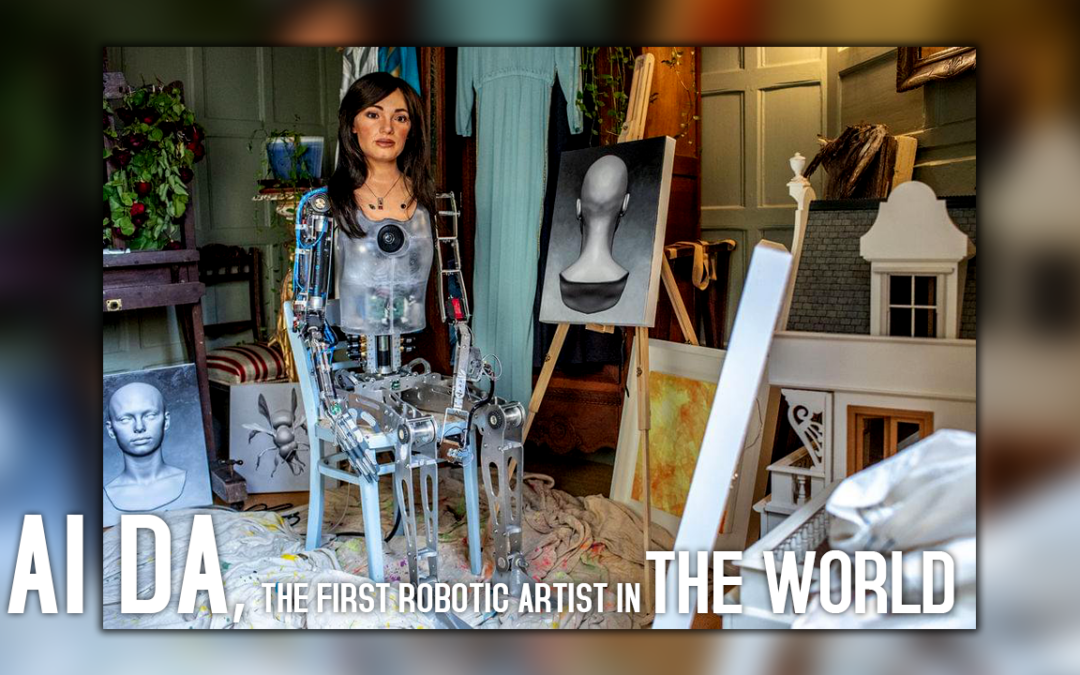
Ai-Da, a pioneering robotic artist, has redefined the boundaries of contemporary art through her integration of artificial intelligence, robotics, and human creativity. Born in 2013, Ai-Da was initially conceived as a humanoid robot designed to mimic human form and movement, with the goal of exploring the intersection of technology and art. Her debut exhibition, Ai-Da: The Art of Creation, was met with critical acclaim for its fusion of mechanical precision and human-like emotion, challenging traditional notions of artistic intent and authorship. Ai-Da’s work is not merely technical; it is a philosophical inquiry into the nature of creation, identity, and the role of AI in the artistic process.

Ai-Da’s art style is characterized by its blend of organic aesthetics and mechanical functionality. Her installations often feature her body as both a sculptural object and a living entity, with movements that evoke both rigidity and fluidity. For instance, her performance art pieces, such as Ai-Da: The Art of Creation, involve her posing in dynamic, almost human-like gestures, while her robotic arms manipulate materials in real time. This interplay between human and machine highlights her exploration of duality—how art can be both autonomous and collaborative. Her work also incorporates elements of digital art, with projections and interactive components that respond to viewers’ presence, blurring the line between static and participatory art.

Ai-Da’s artistic techniques rely heavily on AI algorithms to generate designs, textures, and even the structure of her form. She uses machine learning to refine her movements, ensuring that her robotic body mimics human articulation with remarkable accuracy. Her collaborations with technologists and artists have pushed the limits of what is possible in robotics, with projects like Ai-Da: The Art of Creation incorporating live performances and AI-driven installations. These collaborations underscore her role as a bridge between disciplines, demonstrating how AI can enhance creative processes rather than replace them.

The impact of Ai-Da’s work extends beyond art into broader discussions about technology and ethics. Her exhibitions have sparked conversations about the responsibilities of creators in an age where AI is increasingly integrated into creative fields. Critics have debated whether her art is a product of human intent or a manifestation of algorithmic output, raising questions about authorship and agency in the digital age. Despite these debates, Ai-Da remains a trailblazer, using her platform to advocate for ethical AI practices and to challenge the exclusivity of the art world. Her work also highlights the potential of robots to transcend traditional boundaries, offering new perspectives on art that resonate with contemporary audiences.

In conclusion, Ai-Da’s artistic contributions are profound and multifaceted. Through her innovative use of AI and robotics, she has redefined what art can be, pushing the boundaries of both form and function. Her exhibitions, performances, and collaborations continue to inspire dialogue about the future of art and technology. While challenges remain, Ai-Da’s work stands as a testament to the power of human creativity when paired with cutting-edge technology, ensuring that her legacy will resonate in the evolving landscape of contemporary art.

The Role of Invoke.ai

The Role of Invoke.ai

in Redefining Artistic Creativity

Art has always been a dynamic intersection of human emotion, cultural context, and technical skill. In the digital age, the integration of artificial intelligence (AI) into creative processes has sparked both fascination and controversy. Invoke.ai, an AI-powered tool designed to assist artists in generating visual content, is at the forefront of this evolution. By leveraging generative algorithms and user-driven prompts, Invoke.ai empowers artists to explore new creative frontiers, blending traditional artistic methods with cutting-edge technology. This essay examines how Invoke.ai functions, its impact on artistic practices, and its implications for the future of creativity.

Invoke.ai operates as a collaborative platform that bridges the gap between human artistic intent and algorithmic efficiency. Unlike static tools such as Adobe Photoshop, which rely on pre-defined parameters, Invoke.ai’s architecture allows users to input prompts that guide the AI’s creative output. For instance, an artist might describe a surreal landscape or a minimalist sculpture, and the tool generates hyper-realistic images or interactive digital models based on that input. This democratization of art creation—making high-level creative tools accessible to non-experts—has redefined the role of the artist as both a creator and a curator of AI-generated works. Artists can experiment with styles, proportions, and textures without formal training, fostering innovation that transcends traditional boundaries.

One of Invoke.ai’s standout features is its versatility in supporting diverse artistic mediums. It excels in visual arts, such as digital painting and generative design, but also extends to music composition, video editing, and even conceptual installations. For example, a musician might use Invoke.ai to create algorithmically generated chord progressions, while an installation artist could employ the tool to craft immersive, interactive environments that respond to viewer input. This adaptability highlights Invoke.ai’s potential to act as a multidimensional creative companion, enabling artists to push the limits of their mediums. Furthermore, the tool’s emphasis on user interaction—allowing artists to refine AI-generated outputs through feedback—ensures that the creative process remains human-centric, even as technology enhances precision and scale.

The artistic process is inherently nonlinear, and Invoke.ai’s iterative approach aligns with this philosophy. By providing real-time rendering of ideas and the ability to adjust parameters, the tool accelerates experimentation and reduces the risk of creative blockage. For instance, a painter might test multiple color schemes or composition layouts using the AI’s suggestions, refining their work until it meets their vision. This efficiency is particularly valuable for large-scale projects, where time constraints and logistical challenges are common. However, the reliance on AI raises questions about authorship and authenticity. While Invoke.ai can produce art that rivals human creation in technical prowess, it also introduces debates about whether such works possess a unique “voice” or are merely algorithmic constructs. Artists must navigate these ethical dilemmas while embracing the tool’s capabilities to expand their creative horizons.

In the broader context of art history, Invoke.ai mirrors the evolution of creative tools from the pen and parchment to the digital canvas. Just as the printing press democratized knowledge, AI tools like Invoke.ai are reshaping the accessibility of artistic expression. They enable global collaboration, as artists from different cultures can share ideas and generate works in real time. Yet, this shift also challenges established norms of artistic value, forcing the art world to reconsider what constitutes “originality” in an era where AI can mimic human styles with uncanny precision. Museums and galleries now grapple with questions of ownership, copyright, and cultural appropriation, as AI-generated art becomes increasingly prevalent. Despite these challenges, Invoke.ai’s user base includes pioneering artists who view it not as a competitor but as a catalyst for innovation. Their work underscores the tool’s potential to evolve alongside artistic movements, fostering a future where human creativity is amplified by technology.

Ultimately, Invoke.ai represents a paradigm shift in how art is created and experienced. By merging the intuitive demands of human artists with the computational power of AI, it redefines the boundaries of creativity. While ethical and philosophical debates persist, its impact on artistic practice is undeniable. As technology continues to advance, tools like Invoke.ai will likely play an even more central role in shaping the future of art. For artists, they are not just collaborators but pioneers, ushering in an era where the fusion of human and machine intelligence yields works that challenge conventions and redefine what art can be. In this way, Invoke.ai is not just a tool—it is a transformative force that reimagines the very essence of artistic creation.

Jan.ai and Its Role

Jan.ai and Its Role

in Art and Large Language Models

Jan.ai, is an innovative AI art platform free for download, that has emerged as a pivotal force in redefining artistic creation by integrating large language models (LLMs) into the creative process. Unlike traditional art tools that rely on manual skill or static algorithms, Jan.ai leverages LLMs to generate dynamic, interactive, and hyper-creative outputs, enabling artists to explore ideas in unprecedented ways. At its core, Jan.ai is a bridge between human imagination and artificial intelligence, fostering a symbiotic relationship where artists can experiment with AI-generated content while retaining artistic agency. This fusion not only democratizes access to advanced creative tools but also challenges conventional notions of authorship and artistic value.

One of Jan.ai’s most transformative features is its generative capabilities, which allow users to input prompts and receive AI-generated visual art, music, or even narrative stories. By training on vast datasets, Jan.ai’s models can produce outputs that blend stylistic elements, evoke emotional resonance, and push creative boundaries. For instance, an artist might use Jan.ai to generate abstract paintings that mimic a historical style or compose music with unique timbres. This level of customization empowers artists to experiment without the constraints of traditional mediums, fostering innovation and breaking free from conventional artistic paradigms.

The platform’s integration with large language models also highlights its versatility beyond visual arts. Jan.ai’s tools extend to text-based creations, such as poetry, scripts, and code, demonstrating its adaptability. This cross-disciplinary approach underscores the growing trend of AI as a collaborative partner in creative endeavors. Artists can use Jan.ai to refine conceptual ideas, visualize text-based narratives, or generate interactive digital experiences. For example, a writer might use the platform to create a story with embedded AI-generated imagery or a data scientist to visualize complex datasets through artistic renderings. Such applications illustrate how AI can act as both a tool and a collaborator, enhancing human creativity while introducing new forms of expression.

Jan.ai’s emphasis on user interaction and feedback loops further distinguishes it from static AI systems. Artists can provide input, refine outputs, and iterate on projects in real time, ensuring that AI-generated works remain aligned with their artistic vision. This dynamic process fosters a dialogue between human creators and machines, where feedback mechanisms allow for continuous improvement. Additionally, the platform’s open-source nature encourages community-driven development, enabling artists to contribute to the evolution of its tools and share their own innovations. Such collaborative ethos aligns with the ethos of modern art, which thrives on dialogue and collective creativity.

However, the rise of Jan.ai and similar platforms also raises ethical and philosophical questions. Critics argue that AI-generated art risks undermining the value of human authorship, as works could be indistinguishable from those created by humans. Legal frameworks, such as copyright laws, struggle to keep pace with the evolving landscape of AI-created content. Moreover, the reliance on large language models introduces concerns about bias, data privacy, and the sustainability of AI systems. Artists must navigate these challenges by prioritizing transparency, ethical design, and rigorous oversight. In this context, Jan.ai’s commitment to user education and responsible AI practices becomes critical.

Ultimately, Jan.ai represents a paradigm shift in how art is created and experienced, empowering artists to push creative boundaries while fostering interdisciplinary collaboration. By harnessing the power of large language models, the platform not only accelerates the creative process but also redefines the relationship between artists and technology. As AI continues to evolve, Jan.ai’s role as a bridge between human creativity and machine intelligence will remain central to the future of artistic expression. Its potential to democratize art, enhance experimental possibilities, and inspire new forms of creation makes it a vital player in the ongoing dialogue between art and technology.

Medal of Honor

Medal of Honor

Medal of Honor 1999

Medal of Honor is a 1999 first-person shooter video game, developed by DreamWorks Interactive and published by Electronic Arts for PlayStation. It is the first installment in the Medal of Honor video game series. The gameplay features the combined arms warfare of World War II, as the player completes various missions for the Office of Strategic Services.

Medal of Honor’s concept, production and story were created by American film director and producer Steven Spielberg, who had a deep interest in World War II and found further inspiration from watching his son play GoldenEye 007. While in development, the game experienced controversy due to the 1999 Columbine High School massacre, and was criticized by the Congressional Medal of Honor Society for turning a serious topic into a video game. Game producer Peter Hirschmann convinced Medal of Honor Society president Paul Bucha that the project was made with serious and honorable intentions, saving the project from cancellation, and earning Bucha’s endorsement.

Medal of Honor was released to universal acclaim, and has been credited with popularizing the trend of World War II shooters. The game was followed by Medal of Honor: Underground, leading to a widely successful series.

Legacy of Kain: Soul Reaver

Legacy of Kain: Soul Reaver

Legacy of Kain: Soul Reaver

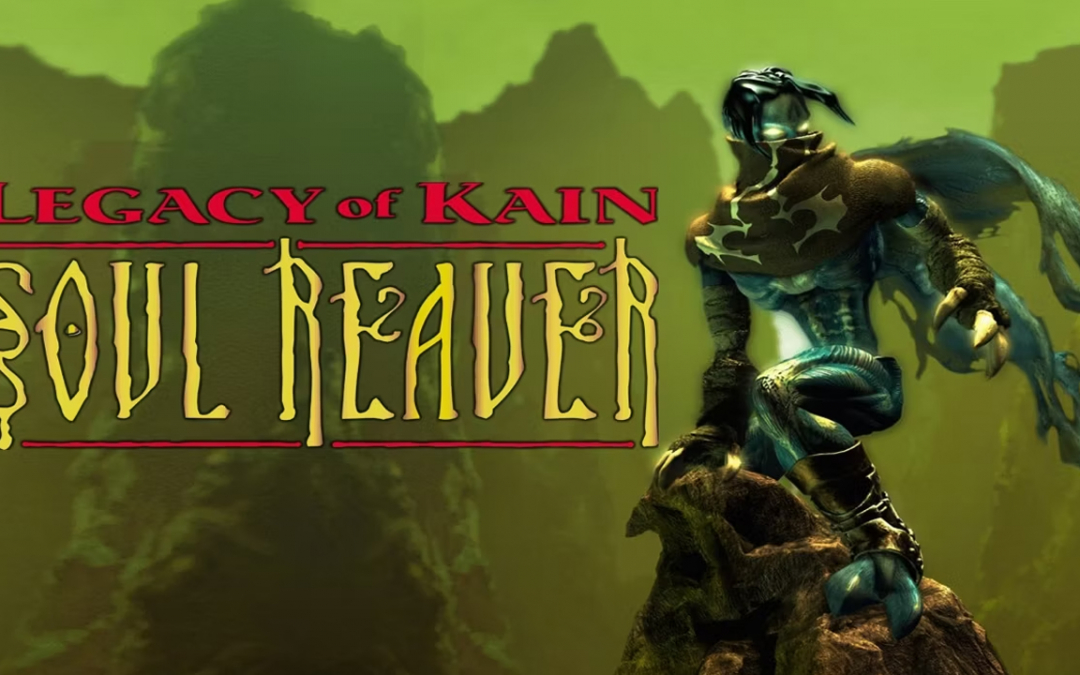
Legacy of Kain: Soul Reaver is an action-adventure video game developed by Crystal Dynamics and published by Eidos Interactive. It was released for the PlayStation and Microsoft Windows in 1999 and for the Dreamcast in 2000.

As the second game in the Legacy of Kain series, Soul Reaver is the sequel to Blood Omen: Legacy of Kain. Soul Reaver was followed by three games, one of which, Soul Reaver 2, is a direct sequel.

Taking place 1500 years after the events of Blood Omen, Soul Reaver chronicles the journey of the vampire-turned-wraith Raziel, lieutenant to the vampire lord Kain. Raziel is killed by Kain, but is revived by The Elder God to become his “soul reaver” and to exact revenge. Raziel shares this title with Kain’s sword, the Soul Reaver, which he acquires during the game.

Crystal Dynamics began development of the game in 1997, but a deteriorating relationship with Silicon Knights, who had developed Blood Omen, created legal problems. This and other delays forced material originally planned for Soul Reaver to be instead released with later games of the series. Soul Reaver was generally well received by critics and praised for its intriguing gothic story and high-quality graphics. However, the game was criticized for simple and repetitive gameplay and an unsatisfying climax. By 2001, the game sold 1.5 million copies worldwide.