In 2026, the landscape of digital assets has shifted dramatically, rendering Non-Fungible Tokens (NFTs) largely obsolete in their original form. While NFTs once positioned themselves as revolutionary tools for proving ownership and authenticity in the digital realm, today’s advancements in metaverses, generative art, and decentralized finance (DeFi) have redefined how value is created and traded. The initial euphoria of NFTs—rooted in blockchain’s decentralized ethos—has been eclipsed by the emergence of more fluid and immersive digital experiences. For instance, virtual reality platforms like Decentraland and Somnio have outpaced NFTs in terms of user engagement, as they offer real-time, interactive environments rather than static tokenized assets. Similarly, generative art platforms like Artbreeder and MidJourney have democratized creative expression, allowing artists to bypass traditional galleries and monetize their work through algorithmic algorithms rather than NFTs. This shift underscores the declining relevance of NFTs as a primary mechanism for value creation, even as they persist as niche tools for collectors and niche markets.
The irrelevance of NFTs in 2026 is further fueled by the maturation of alternative economic models. The rise of DeFi has decentralized financial systems that prioritize transparency and user control, rendering traditional NFT-based royalties and trading mechanisms less attractive. Smart contracts and tokenized assets in DeFi have introduced new avenues for value capture, often bypassing the need for NFTs entirely. Additionally, the environmental toll of blockchain networks, particularly Ethereum’s carbon footprint, has sparked skepticism about NFTs’ sustainability. As renewable energy and green tech advance, the cost of maintaining blockchain-based systems may outweigh their benefits for many users. Meanwhile, the volatility of NFT markets—driven by speculation and inflated demand—has eroded trust, leaving investors disillusioned. In this context, NFTs are not just outdated but arguably obsolete, their utility reduced to a mere footnote in the broader narrative of digital economy evolution.
The decline of NFTs also stems from the shifting priorities of creators and consumers. Artists increasingly prioritize platforms that offer greater creative freedom and lower barriers to entry, such as TikTok, Instagram, or even YouTube, where they can bypass NFT gatekeeping. Consumers, too, have grown adept at leveraging open-source tools and free-to-use content to avoid NFTs entirely. The rise of open licensing models and the proliferation of free-to-access digital content have diminished the incentive to tokenize. Furthermore, the lack of interoperability between NFTs and other digital ecosystems—such as the failure of NFTs to integrate seamlessly with DeFi protocols or cross-platform metaverses—has constrained their scalability. As the internet evolves toward more decentralized and user-centric models, NFTs’ role as a cornerstone of digital ownership has waned, leaving them to serve as relics of a bygone era. In this view, while NFTs may still exist, their relevance is no longer tied to the core principles that once defined them, but rather to niche applications or nostalgic appeal.
Ultimately, the irrelevance of NFTs in 2026 reflects the broader tension between technological innovation and practical utility. While NFTs paved the way for decentralized ownership, their survival depends on adapting to the evolving needs of a rapidly changing digital landscape. The future of NFTs may hinge on their ability to integrate with emerging technologies—such as Web3.0, AI-driven content creation, or cross-chain solutions—rather than remaining isolated in their current form. However, for many, the narrative of NFTs’ irrelevance is not about obsolescence but about the natural progression of technology toward more inclusive and flexible models. In this sense, the story of NFTs is not one of decline, but of transformation: they have evolved from disruptive tools to mere fragments of a larger digital economy, their legacy preserved in the ever-expanding archive of decentralized innovation.
Art has always been a dynamic intersection of human emotion, cultural context, and technical skill. In the digital age, the integration of artificial intelligence (AI) into creative processes has sparked both fascination and controversy. Invoke.ai, an AI-powered tool designed to assist artists in generating visual content, is at the forefront of this evolution. By leveraging generative algorithms and user-driven prompts, Invoke.ai empowers artists to explore new creative frontiers, blending traditional artistic methods with cutting-edge technology. This essay examines how Invoke.ai functions, its impact on artistic practices, and its implications for the future of creativity.
Invoke.ai operates as a collaborative platform that bridges the gap between human artistic intent and algorithmic efficiency. Unlike static tools such as Adobe Photoshop, which rely on pre-defined parameters, Invoke.ai’s architecture allows users to input prompts that guide the AI’s creative output. For instance, an artist might describe a surreal landscape or a minimalist sculpture, and the tool generates hyper-realistic images or interactive digital models based on that input. This democratization of art creation—making high-level creative tools accessible to non-experts—has redefined the role of the artist as both a creator and a curator of AI-generated works. Artists can experiment with styles, proportions, and textures without formal training, fostering innovation that transcends traditional boundaries.
One of Invoke.ai’s standout features is its versatility in supporting diverse artistic mediums. It excels in visual arts, such as digital painting and generative design, but also extends to music composition, video editing, and even conceptual installations. For example, a musician might use Invoke.ai to create algorithmically generated chord progressions, while an installation artist could employ the tool to craft immersive, interactive environments that respond to viewer input. This adaptability highlights Invoke.ai’s potential to act as a multidimensional creative companion, enabling artists to push the limits of their mediums. Furthermore, the tool’s emphasis on user interaction—allowing artists to refine AI-generated outputs through feedback—ensures that the creative process remains human-centric, even as technology enhances precision and scale.
The artistic process is inherently nonlinear, and Invoke.ai’s iterative approach aligns with this philosophy. By providing real-time rendering of ideas and the ability to adjust parameters, the tool accelerates experimentation and reduces the risk of creative blockage. For instance, a painter might test multiple color schemes or composition layouts using the AI’s suggestions, refining their work until it meets their vision. This efficiency is particularly valuable for large-scale projects, where time constraints and logistical challenges are common. However, the reliance on AI raises questions about authorship and authenticity. While Invoke.ai can produce art that rivals human creation in technical prowess, it also introduces debates about whether such works possess a unique “voice” or are merely algorithmic constructs. Artists must navigate these ethical dilemmas while embracing the tool’s capabilities to expand their creative horizons.
In the broader context of art history, Invoke.ai mirrors the evolution of creative tools from the pen and parchment to the digital canvas. Just as the printing press democratized knowledge, AI tools like Invoke.ai are reshaping the accessibility of artistic expression. They enable global collaboration, as artists from different cultures can share ideas and generate works in real time. Yet, this shift also challenges established norms of artistic value, forcing the art world to reconsider what constitutes “originality” in an era where AI can mimic human styles with uncanny precision. Museums and galleries now grapple with questions of ownership, copyright, and cultural appropriation, as AI-generated art becomes increasingly prevalent. Despite these challenges, Invoke.ai’s user base includes pioneering artists who view it not as a competitor but as a catalyst for innovation. Their work underscores the tool’s potential to evolve alongside artistic movements, fostering a future where human creativity is amplified by technology.
Ultimately, Invoke.ai represents a paradigm shift in how art is created and experienced. By merging the intuitive demands of human artists with the computational power of AI, it redefines the boundaries of creativity. While ethical and philosophical debates persist, its impact on artistic practice is undeniable. As technology continues to advance, tools like Invoke.ai will likely play an even more central role in shaping the future of art. For artists, they are not just collaborators but pioneers, ushering in an era where the fusion of human and machine intelligence yields works that challenge conventions and redefine what art can be. In this way, Invoke.ai is not just a tool—it is a transformative force that reimagines the very essence of artistic creation.
Jan.ai, is an innovative AI art platform free for download, that has emerged as a pivotal force in redefining artistic creation by integrating large language models (LLMs) into the creative process. Unlike traditional art tools that rely on manual skill or static algorithms, Jan.ai leverages LLMs to generate dynamic, interactive, and hyper-creative outputs, enabling artists to explore ideas in unprecedented ways. At its core, Jan.ai is a bridge between human imagination and artificial intelligence, fostering a symbiotic relationship where artists can experiment with AI-generated content while retaining artistic agency. This fusion not only democratizes access to advanced creative tools but also challenges conventional notions of authorship and artistic value.
One of Jan.ai’s most transformative features is its generative capabilities, which allow users to input prompts and receive AI-generated visual art, music, or even narrative stories. By training on vast datasets, Jan.ai’s models can produce outputs that blend stylistic elements, evoke emotional resonance, and push creative boundaries. For instance, an artist might use Jan.ai to generate abstract paintings that mimic a historical style or compose music with unique timbres. This level of customization empowers artists to experiment without the constraints of traditional mediums, fostering innovation and breaking free from conventional artistic paradigms.
The platform’s integration with large language models also highlights its versatility beyond visual arts. Jan.ai’s tools extend to text-based creations, such as poetry, scripts, and code, demonstrating its adaptability. This cross-disciplinary approach underscores the growing trend of AI as a collaborative partner in creative endeavors. Artists can use Jan.ai to refine conceptual ideas, visualize text-based narratives, or generate interactive digital experiences. For example, a writer might use the platform to create a story with embedded AI-generated imagery or a data scientist to visualize complex datasets through artistic renderings. Such applications illustrate how AI can act as both a tool and a collaborator, enhancing human creativity while introducing new forms of expression.
Jan.ai’s emphasis on user interaction and feedback loops further distinguishes it from static AI systems. Artists can provide input, refine outputs, and iterate on projects in real time, ensuring that AI-generated works remain aligned with their artistic vision. This dynamic process fosters a dialogue between human creators and machines, where feedback mechanisms allow for continuous improvement. Additionally, the platform’s open-source nature encourages community-driven development, enabling artists to contribute to the evolution of its tools and share their own innovations. Such collaborative ethos aligns with the ethos of modern art, which thrives on dialogue and collective creativity.
However, the rise of Jan.ai and similar platforms also raises ethical and philosophical questions. Critics argue that AI-generated art risks undermining the value of human authorship, as works could be indistinguishable from those created by humans. Legal frameworks, such as copyright laws, struggle to keep pace with the evolving landscape of AI-created content. Moreover, the reliance on large language models introduces concerns about bias, data privacy, and the sustainability of AI systems. Artists must navigate these challenges by prioritizing transparency, ethical design, and rigorous oversight. In this context, Jan.ai’s commitment to user education and responsible AI practices becomes critical.
Ultimately, Jan.ai represents a paradigm shift in how art is created and experienced, empowering artists to push creative boundaries while fostering interdisciplinary collaboration. By harnessing the power of large language models, the platform not only accelerates the creative process but also redefines the relationship between artists and technology. As AI continues to evolve, Jan.ai’s role as a bridge between human creativity and machine intelligence will remain central to the future of artistic expression. Its potential to democratize art, enhance experimental possibilities, and inspire new forms of creation makes it a vital player in the ongoing dialogue between art and technology.
Hugging Face @ https://huggingface.co is a comprehensive platform for developers and researchers focused on artificial intelligence, particularly in natural language processing (NLP) and machine learning. It serves as a hub for model repositories, datasets, and documentation, enabling users to access and experiment with cutting-edge AI tools. The site emphasizes open-source collaboration and accessibility, positioning itself as a critical resource for both academic and industrial applications.
At the core of Hugging Face’s functionality is its model repository, a vast collection of pre-trained neural network models. These models range from simple classification tasks to complex vision-language models like LLaMA and BERT. Users can search, download, and fine-tune models for their specific needs, with extensive documentation and training scripts provided to streamline the process. The repository’s flexibility allows users to adapt models to new tasks, making it a cornerstone of modern AI development.
In addition to models, the website hosts a dataset hub, providing access to millions of annotated datasets across diverse domains. Researchers and developers can leverage these datasets for training custom models or conducting experiments. The hub emphasizes data quality and diversity, ensuring that users have tools to work with real-world data. This feature underscores Hugging Face’s commitment to fostering reproducible and impactful research.
Hugging Face’s documentation is one of its strongest assets. It offers detailed guides, tutorials, and best practices for using the platform’s tools effectively. The API is robust, allowing seamless integration with Python libraries and other systems. Users can build applications, create custom models, or automate workflows using the provided tools. The site’s intuitive design and comprehensive resources make it easy for users to navigate and utilize the platform efficiently.
The website fosters a vibrant community through its forums, GitHub repositories, and collaborative projects. Developers and researchers contribute to the platform by sharing models, datasets, and insights, creating a shared ecosystem. This collaborative spirit accelerates innovation and ensures the platform remains at the forefront of AI advancements.
https://huggingface.co stands out as a transformative resource for AI practitioners. Its focus on accessibility, collaboration, and tooling makes it indispensable for model development, dataset exploration, and research. By bridging the gap between open-source tools and real-world applications, the platform empowers users to drive innovation in AI with confidence and ease. Its continued growth and integration with emerging technologies further solidify its role as a leader in the AI ecosystem.
Art Basel, the world’s premier art fair, has undergone a transformative evolution in the 21st century, reflecting broader shifts in technology, cultural values, and artistic practice. Originally conceived as a platform for curators and collectors to gauge emerging trends, the fair has increasingly become a crucible for experimental art forms, particularly those intersecting with artificial intelligence (AI). This transformation is epitomized by the 2023 Art Basel fair, where AI-generated art, once a niche curiosity, became a central spectacle, challenging traditional notions of authorship, creativity, and value in the art world. Artists like Emma, whose AI-assisted portrait The Persistence of Memory (2023) dominated the fair’s opening auction, exemplified this shift. Unlike conventional art, which relies on human intuition and cultural context, AI-generated works are algorithmically produced, raising questions about intent, agency, and the role of the artist. Yet, such art has not diminished its allure; rather, it has redefined the boundaries of what constitutes “real” art, inviting both skepticism and admiration.
The integration of AI into art practices has also reshaped the fair’s curatorial landscape. Curators, once reliant on subjective judgment, now navigate a landscape where data-driven algorithms and machine learning models dictate aesthetic outcomes. This shift is particularly evident in the 2023 fair, where AI-generated installations, such as Mario Giacinto’s The Persistence of Memory, were not just displayed but auctioned, signaling a new valuation paradigm. These works, while technically innovative, often lack the narrative depth or historical resonance of human-authored art, sparking debates about their legitimacy. However, their commercial success—such as the record-breaking sale of The Persistence of Memory for $43.2 million—underscores their growing acceptance in the art market. Beyond the fair, AI art has catalyzed broader conversations about digital creativity. For instance, the rise of NFTs and blockchain-based art platforms has blurred the lines between traditional and algorithmic valuation, with AI-generated pieces now frequently traded on digital marketplaces. This trend hints at a future where art may no longer be bound by physical materials or human labor, but rather by the interplay of code and creativity.
The impact of AI art on Art Basel extends beyond economics, influencing how audiences engage with art. In the past, viewers were compelled to interpret abstract forms or historical references; now, they are confronted by hyper-realistic, data-driven works that demand a different kind of intellectual labor. This has democratized art creation, allowing individuals without formal training to produce compelling pieces using AI tools like DALL·E or MidJourney. Yet, this democratization also risks homogenizing art, as algorithmic outputs may lack the diversity of human expression. The tension between innovation and accessibility is a recurring theme at the fair, where collectors grapple with the ethical implications of AI’s role in art. For example, the 2023 fair saw debates over whether AI art should be credited to a “machine” rather than a human artist, a debate that mirrors wider discussions about intellectual property in the digital age.
Ultimately, Art Basel’s embrace of AI-generated art reflects a broader cultural reckoning with technology’s role in shaping creativity. While some critics argue that AI art risks devaluing human creativity, others see it as a necessary evolution in an era of rapid technological advancement. The fair’s success in integrating AI art underscores its adaptability, positioning itself at the forefront of a new art world where technology and culture are inseparable. As the boundaries between human and machine continue to blur, Art Basel remains a vital space for exploring the future of art—whether through hybrid forms, new modes of valuation, or the redefinition of artistic identity. In this sense, the fair is not merely an exhibition of art but a living experiment in how we define and value creativity in the age of artificial intelligence.
The development of the internet and its platforms is a complex and multifaceted process, driven by technical expertise, creativity, and a relentless pursuit of innovation. Developers, often behind the scenes, are responsible for designing, coding, and maintaining the infrastructure that enables online interactions—whether it be social media algorithms, search engines, or mobile applications. Their work is characterized by iterative problem-solving, a deep understanding of programming languages, and an ability to balance functionality with user experience. In contrast, content consumers, who engage with the internet daily, are primarily users of these platforms, relying on pre-built tools to access, share, and consume information. While their role is equally vital, it is often more passive, focusing on personal preferences, accessibility, and the ability to navigate vast digital landscapes.
The differences between developers and consumers are rooted in their distinct roles and responsibilities. Developers operate within the constraints of technical feasibility, constantly adapting to evolving trends and user demands. They must balance the need for innovation with the limitations of resource allocation, time management, and market viability. For instance, a developer tasked with creating a new feature for a social media platform must weigh the potential impact of its design against the risks of user overload or data privacy concerns. This requires a unique set of skills, including analytical thinking, resilience under pressure, and a strong grasp of emerging technologies. In contrast, consumers are often unaware of the intricate processes behind the platforms they use. They may not consider the ethical implications of data collection or the technical challenges of maintaining online presence, focusing instead on convenience, entertainment, and connectivity.
The development process itself is highly specialized, demanding continuous learning and adaptation. Developers must stay updated on rapidly changing technologies, such as artificial intelligence, blockchain, or web3.0, while also managing the complexities of cross-platform compatibility and user interface design. This requires a high level of technical proficiency and the ability to collaborate with designers, marketers, and other stakeholders. On the other hand, content consumers are more reliant on the tools provided by developers, which are often designed with user-centricity in mind. For example, a user might rely on a search engine algorithm to find information, but they may not understand the underlying mechanics that determine relevance or speed. This disparity highlights how developers are responsible for shaping the digital ecosystem, while consumers are the end-users who ultimately benefit from its functionality.
Moreover, the nature of interaction between developers and consumers differs significantly. Developers act as the architects of the internet, shaping the rules of engagement, while consumers are the ones who experience these rules firsthand. Developers may prioritize long-term goals, such as improving security or expanding accessibility, while consumers may prioritize immediate gratification, such as personalized content or viral trends. For instance, a developer might implement a feature to block harmful content, whereas a consumer might engage with it through sharing or clicking on a misleading ad. This tension underscores the importance of understanding both perspectives. Developers must consider the broader societal impact of their work, while consumers are often unaware of the technical and ethical challenges behind the platforms they use.
The inherent differences between internet developers and content consumers are shaped by their distinct roles, skills, and priorities. Developers are tasked with creating the infrastructure that enables digital interactions, requiring technical mastery and innovation, while consumers are the users who engage with this infrastructure, relying on its convenience and personalization. While developers face challenges in balancing innovation with practical constraints, consumers navigate a world increasingly shaped by algorithms and data-driven experiences. Understanding these differences is crucial for fostering a healthier digital ecosystem, where both creators and users can collaborate to enhance the internet’s potential.
Past OpenAI, founded in 2015 by Elon Musk, Sam Altman, and Greg Brockman, emerged as a counterpoint to commercial AI companies like DeepMind and Google’s DeepMind. Its mission was to develop artificial intelligence (AI) that prioritized safety, transparency, and societal benefit over profit. Initially, the organization faced skepticism, as its founders aimed to avoid the “corporate capture” of AI research. In 2019, OpenAI released GPT-3, a groundbreaking language model that demonstrated unprecedented text-generation capabilities, sparking both admiration and debate over its potential risks. The team’s commitment to ethical AI, including their pledge to not pursue commercial gains, distinguished them from competitors.
Present Today, OpenAI remains at the forefront of AI innovation, with its research spanning natural language processing, computer vision, and multimodal models. The organization has expanded its focus to include GPT-4, a large language model capable of handling complex tasks such as code writing, creative writing, and logical reasoning. OpenAI’s partnerships with institutions like Microsoft and NASA highlight its role in advancing AI for practical applications. Additionally, the OpenAI Foundation, a non-profit arm, funds research on AI safety and ethics, emphasizing collaboration over competition. Notably, OpenAI’s work on Whisper, an open-source speech-to-text model, underscores its commitment to democratizing AI tools. Despite its achievements, the organization continues to grapple with challenges such as bias in its models and the need for robust regulatory frameworks.
Future Looking ahead, OpenAI’s future is likely shaped by its dual focus on technological advancement and ethical stewardship. One key direction is the exploration of quantum computing and its potential to revolutionize AI algorithms, though this remains speculative. Another priority is the development of more efficient and sustainable AI models to address computational costs and environmental impact. OpenAI’s commitment to safety will likely drive initiatives such as adversarial robustness testing and the creation of AI governance frameworks. Additionally, the organization may expand its efforts into emerging fields like space exploration or healthcare, leveraging AI to solve global challenges. OpenAI’s openness to collaboration, as evidenced by its participation in open-source projects and partnerships with academia, positions it to influence AI development in meaningful ways. Ultimately, OpenAI’s trajectory will depend on its ability to balance innovation with accountability, ensuring that its work benefits humanity while mitigating risks.
Conclusion OpenAI’s journey from a niche research group to a global leader in AI underscores its transformative impact. While its past was defined by groundbreaking projects like GPT-3, its present reflects a commitment to ethical research and partnerships with industry and academia. The future holds promise for advancements in quantum computing, safety protocols, and interdisciplinary applications. As OpenAI continues to shape the landscape of AI, its legacy will be defined not only by its technical achievements but also by its role in fostering a responsible and inclusive technological future.
Generative algorithms are computational methods designed to create new data that resembles existing data, often used to simulate or generate patterns, images, text, or other forms of information. These algorithms are pivotal in fields like artificial intelligence, data science, and creative industries, enabling tasks such as generating art, designing products, or crafting text. At their core, generative algorithms learn the underlying structure of a dataset and then produce new, synthetic data that is statistically similar to the training data. For example, a generative adversarial network (GAN) consists of two neural networks: a generator that creates new data and a discriminator that evaluates its authenticity. This iterative process continues until the generated data becomes indistinguishable from real data.
One of the most widely used generative algorithms is the Variational Autoencoder (VAE), which uses an encoder to map input data to a latent space and a decoder to reconstruct the data from the latent representation. VAEs are particularly effective in tasks requiring high-dimensional data, such as image generation or natural language processing. For instance, a VAE trained on images can generate new images that resemble the training data. Similarly, in healthcare, generative algorithms can create synthetic medical records for training models without compromising patient privacy. Another application is in music generation, where algorithms like the WaveNet model can generate complex audio compositions.
A simple example of a generative algorithm is the Perceptron, a foundational neural network used for binary classification. The below python code demonstrates a basic Perceptron implementation:
class Perceptron:
    def __init__(self, input_size, output_size):
        self.weights = [0.5 * random() for _ in range(input_size)]
        self.bias = 0.5 * random()

    def predict(self, inputs):
        weighted_sum = sum(self.weights[i] * inputs[i] for i in range(len(inputs)))
        return 1 if weighted_sum > self.bias else 0

# Example usage
perceptron = Perceptron(input_size=2, output_size=1)
inputs = [1, 0]
prediction = perceptron.predict(inputs)
[/dm_code_snippet]
This example trains a perceptron to classify input data into two categories. While simple, it illustrates the basic principle of generative algorithms: learning patterns from data to make predictions or generate new instances. More advanced algorithms, like GANs or diffusion models, extend this concept to create highly realistic data, pushing the boundaries of artificial creativity and automation.
Generative algorithms are indispensable tools for innovation, enabling the creation of data that mimics real-world patterns. Their applications span art, science, and technology, making them essential in modern AI development. By understanding and leveraging these algorithms, researchers and developers can unlock new possibilities for problem-solving and creative expression.
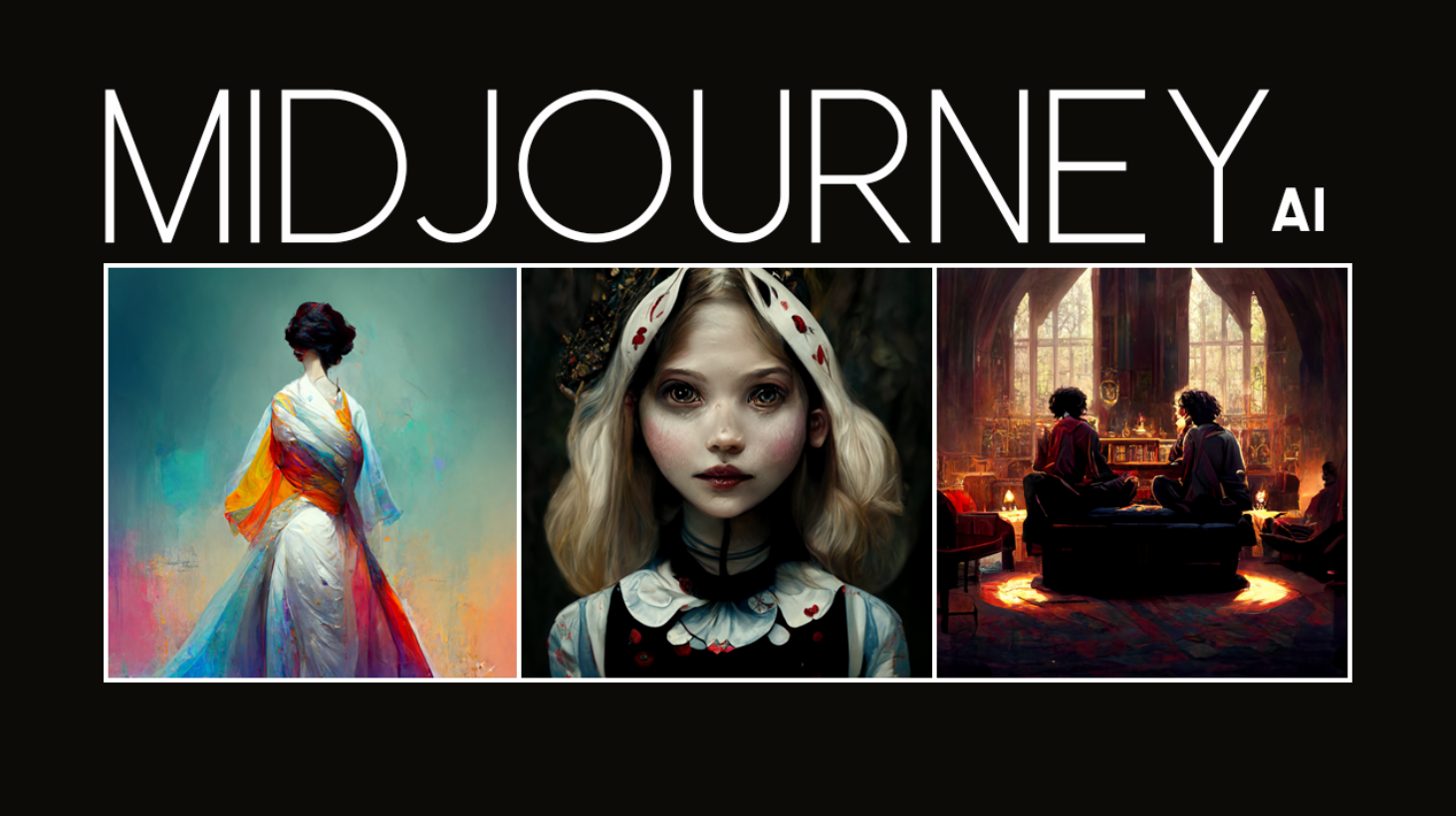
Midjourney is a revolutionary AI-driven tool that has fundamentally transformed the landscape of digital art and design. As an advanced text-to-image generator, it leverages cutting-edge algorithms and vast training data to produce high-resolution visual content based on textual descriptions. Unlike traditional image editing software, Midjourney’s approach is rooted in generative artificial intelligence, enabling users to input intricate prompts and receive visually stunning, often surreal imagery that defies conventional artistic norms. Its ability to blend creativity with technical precision has positioned it as a powerful asset for artists, designers, and content creators seeking to push creative boundaries.
The underlying algorithms of Midjourney, such as diffusion models and transformer architectures, are designed to interpret textual inputs with remarkable accuracy, even when the prompts are abstract or ambiguous. This flexibility allows users to explore ideas that might be difficult to visualize through traditional means, from conceptual art to fantastical landscapes. Moreover, Midjourney’s integration with AI-driven tools for refining outputs ensures that the generated images are not only aesthetically compelling but also optimized for specific use cases, such as marketing visuals or digital art portfolios. Its user-friendly interface further democratizes access to advanced artistic tools, making it an indispensable resource for both professional creators and hobbyists.
Despite its transformative potential, Midjourney’s reliance on AI raises critical ethical and technical questions. Issues such as copyright infringement, the authenticity of AI-generated art, and the potential for bias in training data are increasingly pertinent. Critics argue that AI tools like Midjourney may devalue human creativity by reducing artistic expression to algorithmic outputs, while proponents highlight their role in fostering innovation and experimentation. Additionally, the environmental impact of training large AI models remains a contentious topic, as energy consumption and resource allocation are significant concerns. Balancing these challenges requires ongoing dialogue about the role of AI in creative industries and the need for responsible practices.
The future of Midjourney and similar tools is likely shaped by advancements in AI technology and evolving user expectations. As AI becomes more integrated into creative workflows, its ability to adapt to new trends and user needs will determine its success. However, the enduring value of human creativity—whether in refining AI-generated content or exploring novel artistic concepts—ensures that Midjourney will continue to evolve. Ultimately, Midjourney represents a pivotal intersection of art and technology, offering both opportunities and responsibilities for users navigating its ever-expanding creative possibilities.
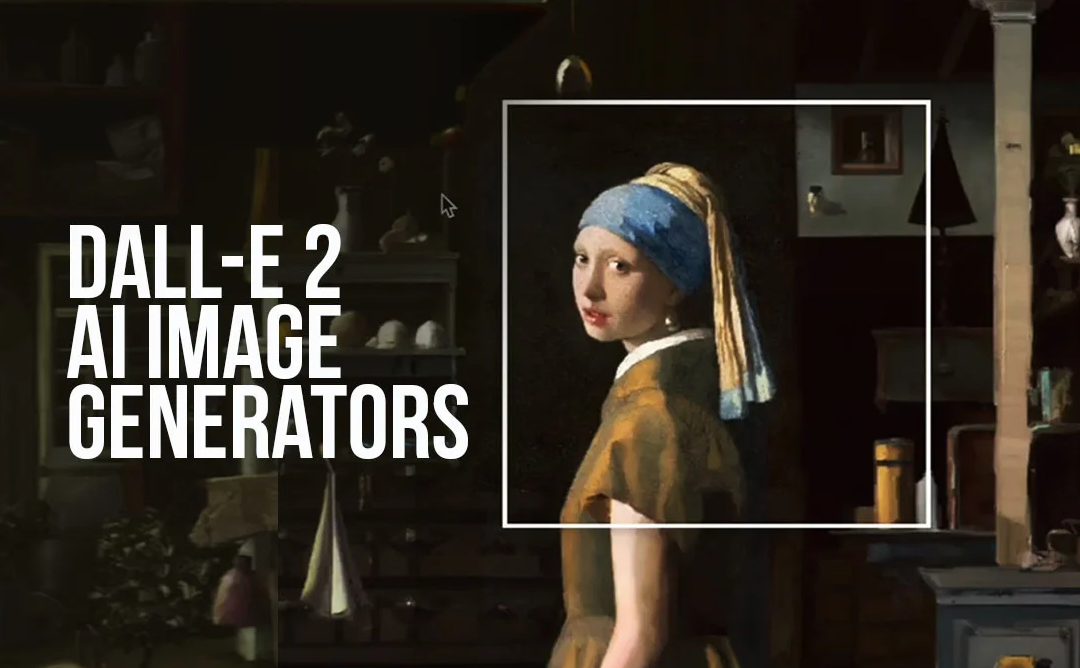
DALL·E is an advanced AI-driven tool designed to generate high-quality images from textual descriptions. Developed by OpenAI, it represents a significant leap in the field of artificial intelligence, blending natural language processing with visual generation. At its core, DALL·E operates by taking a user’s text input, analyzing it for meaning and style, and then producing corresponding visual art that mirrors the described scene or concept. This tool is part of OpenAI’s broader vision to create AI systems that can understand and generate creative content across diverse domains.
One of DALL·E’s most notable features is its ability to translate text into images with remarkable accuracy. Users can describe anything from abstract concepts to specific scenes, and the tool generates visuals that align with the text’s nuances. For instance, describing a “neon-lit city at night” results in an image that captures the vibrant lights and dynamic atmosphere of such a setting. Additionally, DALL·E supports various artistic styles, allowing users to customize outputs by specifying parameters like color schemes, texture, or artistic movements. This flexibility makes it a powerful tool for artists, designers, and content creators who need to visualize their ideas quickly and creatively.
The development of DALL·E also highlights advancements in machine learning and neural networks. It is trained on vast datasets of images and text, enabling it to recognize patterns and generate new content that extends beyond simple mappings of words to visuals. However, its effectiveness relies on the quality of the training data and the sophistication of its algorithms. OpenAI continuously refines DALL·E to improve its performance, ensuring that it can handle increasingly complex and detailed requests. Despite its capabilities, DALL·E is not a substitute for human creativity; it serves as a complementary tool that can enhance artistic expression and problem-solving.
In practical applications, DALL·E has been used in numerous fields. In the arts, it has helped generate unique paintings and illustrations that would be difficult to create manually. In education, it can create visual aids for complex concepts, making learning more engaging. Designers use it to experiment with layouts and color schemes, while marketers leverage it for generating concept art or social media content. Moreover, DALL·E’s ability to generate images from text opens possibilities in virtual reality, gaming, and digital storytelling. However, its use also raises ethical concerns, such as the potential for misuse in creating deepfakes or generating content that could be harmful. As with any powerful technology, responsible usage and ongoing oversight are essential to ensure its benefits are maximized while minimizing risks.
In conclusion, DALL·E stands as a testament to the convergence of AI and creativity, offering users a new dimension of visual expression. While it pushes the boundaries of what is possible, its impact depends on how it is integrated into everyday life. As AI continues to evolve, tools like DALL·E will play a crucial role in shaping the future of creative industries, fostering innovation while emphasizing the importance of ethical guidelines.
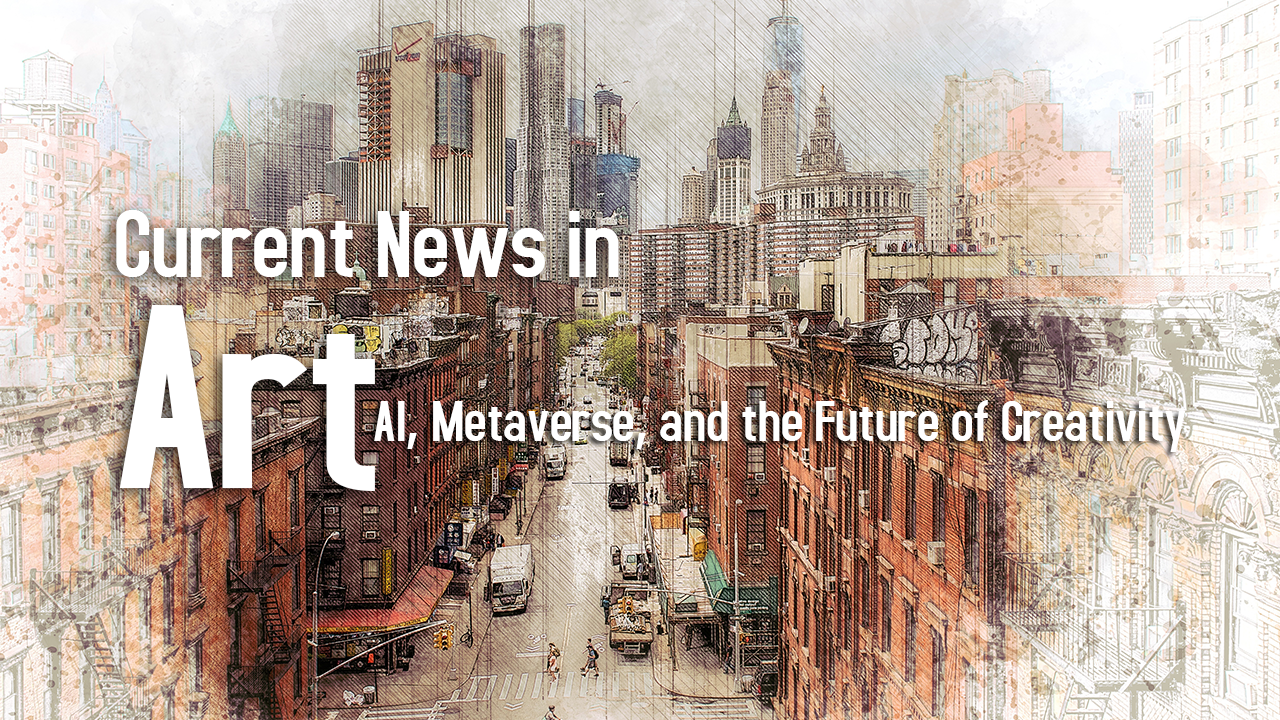
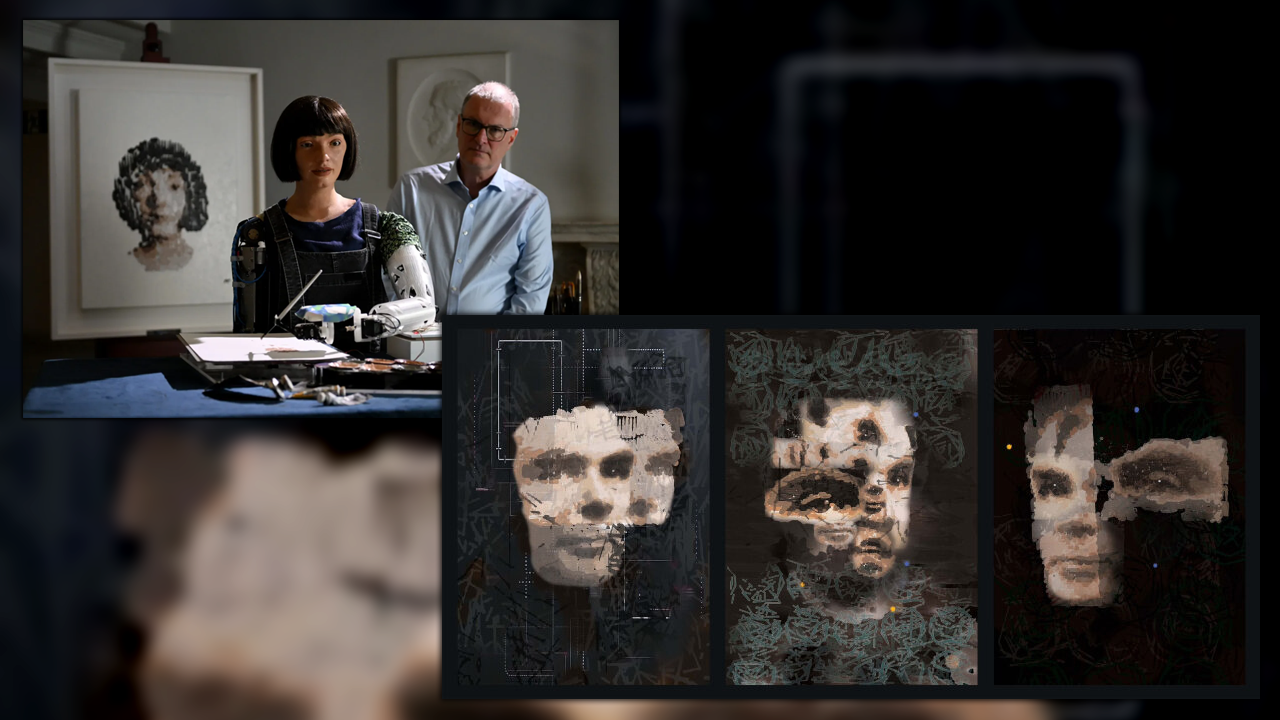
The art world has become a battleground of innovation, ethics, and digital transformation. Artificial intelligence (AI) has evolved from a tool for generating art to a collaborative partner in creative processes. AI-driven tools like DALL·E and Midjourney have become mainstream, with artists integrating generative algorithms into their workflows. The Art Basel fair has been seeing a surge in AI-generated works, such as the most notable piece of AI art to sell for over one million dollars, “A.I. God. Portrait of Alan Turing”, created by the humanoid robot artist Ai-Da. It sold at a Sotheby’s auction in November 2024 for $1.08 million, but debates persist: Is AI art “authentic” or a mere mimicry of human creativity? Critics argue it undermines artistic value, while proponents see it as a democratizing force that challenges traditional gatekeepers.
The NFT (non-fungible token) ecosystem has matured, with blockchain-based art transactions becoming more institutionalized. The 2026 Venice Biennale featured a groundbreaking NFT auction of a digital installation, Digital Dreams, valued at $200 million. However, the environmental toll of blockchain transactions and the lack of provenance in digital works have sparked regulatory scrutiny. In response, the European Union proposed the Digital Operational Resilience Act, aiming to standardize NFT transactions and ensure transparency. Meanwhile, artists are exploring hybrid models, blending NFTs with physical exhibitions to create immersive, multi-platform experiences.
The pandemic’s aftermath has reshaped how art is consumed and created. Virtual reality (VR) and augmented reality (AR) have become pivotal, with immersive installations like The Gallery of Lost Things (a VR experience by artist Refik Anadol) dominating 2026 art fairs. Galleries are investing in metaverse platforms, such as the Decentraland art space, where digital sculptures and interactive exhibits can transcend physical boundaries. Social media platforms like Instagram and TikTok have also evolved, with artists using AI tools to generate content tailored to specific audiences. This shift has blurred the lines between art and commerce, as digital art becomes a primary monetization strategy.
Socially conscious art movements have expanded, with artists addressing climate change, gender equality, and technological ethics. The Ice Watch project, which brought chunks of melting ice to public spaces, has inspired global installations. In 2026, Afrofuturism and climate activism coalesced, with artists like Olafur Eliasson creating works that merge art with environmental advocacy. Meanwhile, the rise of “space art” has captured attention, as private companies like SpaceX and NASA collaborate with artists to explore cosmic themes in installations and conceptual pieces.
The role of the artist as a curator has also shifted. Hybrid models, such as “artist-curated metaverses,” allow creators to host immersive, community-driven exhibitions. Platforms like Artemis have democratized access to global audiences, enabling artists from underrepresented backgrounds to gain visibility. However, this shift raises questions about the artist’s role in curating their own work versus relying on algorithms to determine its success.
As the art world embraces technology, the future remains uncertain. While AI and NFTs redefine art’s boundaries, ethical dilemmas persist: How to balance innovation with authenticity? How to preserve value in a digital age? The art scene is a testament to resilience, proving that creativity can thrive in a rapidly evolving landscape. Whether through AI-generated portraits, blockchain-backed sales, or immersive virtual experiences, the next chapter of art will be defined by its ability to adapt while remaining rooted in human expression.
Looking for the best image optimization plugin for WordPress? To help you choose, we went hands-on with five popular options and ran our own tests. See the results of these tests here.
Lost European, their style of music is “art rock”…alternative, progressive, intricate and orchestrated with precision crafted songs that are catchy and meaningful. Created by the rocket scientists who designed the Stealth Bomber, the F-18 Hornet and the Apache Helicopter, this apocolyptic CD is dark and moody, yet highly polished alternative rock filled with catchy melodies and powerful music.
Lost European is a sophisticated band with a Euro-British sound. The songwriting is all original. The founding band members are degreed aerospace engineers from Britain and the U.S. Not only have they designed some of the most extraordinary high tech fighters and spacecraft of the world, they have also formed a high tech band of skilled musicians, composers, and computer programmers.
The Four Seasons (Italian: Le quattro stagioni) is a group of four violin concerti by Italian composer Antonio Vivaldi, each of which gives musical expression to a season of the year. These were composed around 1718–1720, when Vivaldi was the court chapel master in Mantua.
They were published in 1725 in Amsterdam, together with eight additional concerti, as Il cimento dell’armonia e dell’inventione (The Contest Between Harmony and Invention).
The Four Seasons is the best known of Vivaldi’s works. Though three of the concerti are wholly original, the first, “Spring”, borrows patterns from a sinfonia in the first act of Vivaldi’s contemporaneous opera Il Giustino. The inspiration for the concertos is not the countryside around Mantua, as initially supposed, where Vivaldi was living at the time, since according to Karl Heller they could have been written as early as 1716–1717, while Vivaldi was engaged with the court of Mantua only in 1718.
They were a revolution in musical conception: Vivaldi represented flowing creeks, singing birds (of different species, each specifically characterized), a shepherd and his barking dog, buzzing flies, storms, drunken dancers, hunting parties from both the hunters’ and the prey’s point of view, frozen landscapes, and warm winter fires.
Unusually for the period, Vivaldi published the concerti with accompanying sonnets (possibly written by the composer himself) that elucidated what it was in the spirit of each season that his music was intended to evoke. The concerti therefore stand as one of the earliest and most detailed examples of what would come to be called program music—in other words, music with a narrative element. Vivaldi took great pains to relate his music to the texts of the poems, translating the poetic lines themselves directly into the music on the page. For example, in the middle section of “Spring”, when the goatherd sleeps, his barking dog can be heard in the viola section. The music is elsewhere similarly evocative of other natural sounds. Vivaldi divided each concerto into three movements (fast–slow–fast), and, likewise, each linked sonnet into three sections. (ref Wikipedia)
Clarence “Pinetop” Smith (June 11, 1904 – March 15, 1929), was an American boogie-woogie style blues pianist. His hit tune “Pine Top’s Boogie” featured rhythmic “breaks” that were an essential ingredient of ragtime music, but also a fundamental foreshadowing of rock and roll.[2] The song was also the first known use of the term “boogie woogie” on a record, and cemented that term as the moniker for the genre.
Smith was born in Troy, Alabama and raised in Birmingham, Alabama. He received his nickname as a child from his liking for climbing trees. In 1920 he moved to Pittsburgh, Pennsylvania, where he worked as an entertainer before touring on the Theatre Owners Booking Association (T.O.B.A.) vaudeville circuit, performing as a singer and comedian as well as a pianist. For a time, he worked as accompanist for blues singer Ma Rainey and Butterbeans and Susie.
In the mid-1920s, he was recommended by Cow Cow Davenport to J. Mayo Williams at Vocalion Records, and in 1928 he moved, with his wife and young son, to Chicago, Illinois to record. For a time he, Albert Ammons, and Meade Lux Lewis lived in the same rooming house.
On December 29, 1928, he recorded his influential “Pine Top’s Boogie Woogie”, one of the first “boogie woogie” style recordings to make a hit, and which cemented the name for the style. It was also the first recording to have the phrase ‘boogie woogie’ in the song’s title.[6] Smith talks over the recording, telling how to dance to the number.[2] He said he originated the number at a house-rent party in St. Louis, Missouri. Smith was the first ever to direct “the girl with the red dress on” to “not move a peg” until told to “shake that thing” and “mess around”. Similar lyrics are heard in many later songs, including “Mess Around” and “What’d I Say” by Ray Charles.
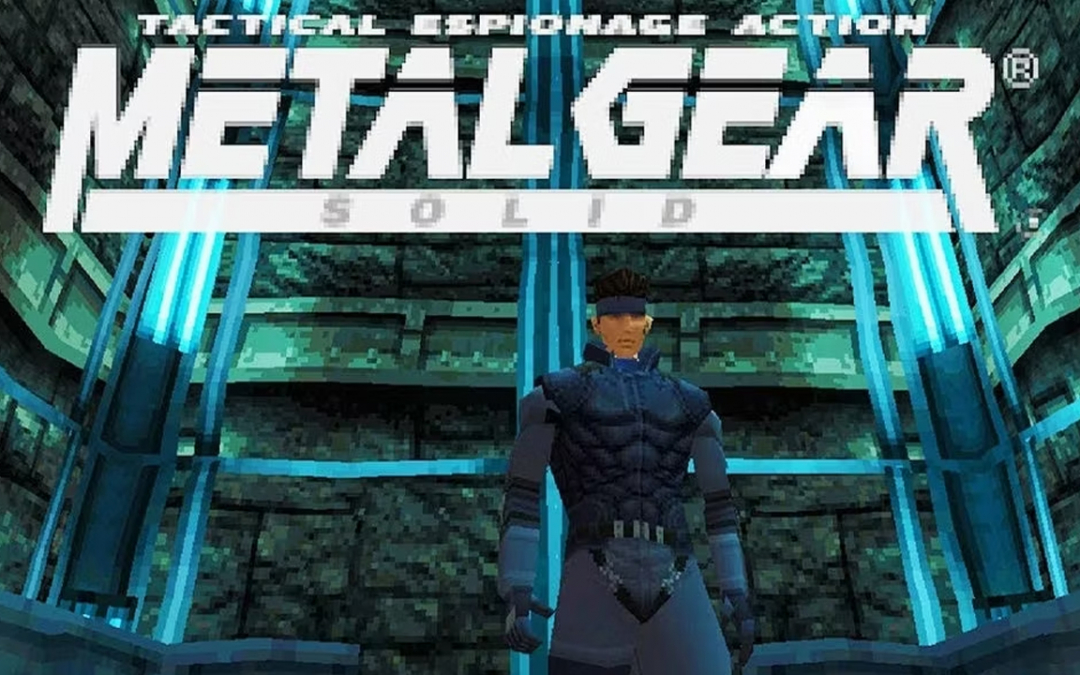
Metal Gear Solid is an action-adventure stealth video game developed and published by Konami for the PlayStation in 1998. It was directed, produced, and written by Hideo Kojima, and follows the MSX2 video games Metal Gear and Metal Gear 2: Solid Snake, which Kojima also worked on.
It was unveiled at the 1996 Tokyo Game Show and then demonstrated at trade shows including the 1997 Electronic Entertainment Expo; its Japanese release was originally planned for late 1997, before being delayed to 1998.
Players control Solid Snake, a soldier who infiltrates a nuclear weapons facility to neutralize the terrorist threat from FOXHOUND, a renegade special forces unit. Snake must liberate hostages and stop the terrorists from launching a nuclear strike.[10] Cinematic cutscenes were rendered using the in-game engine and graphics, and voice acting is used throughout.
Metal Gear Solid sold more than seven million copies worldwide and shipped 12 million demos. It scored an average of 94/100 on the aggregate website Metacritic. It is regarded as one of the greatest and most important video games of all time and helped popularize the stealth genre and in-engine cinematic cutscenes. It was followed by an expanded version for PlayStation and Windows, Metal Gear Solid: Integral (1999), and a GameCube remake, Metal Gear Solid: The Twin Snakes (2004). It produced numerous sequels, starting with Metal Gear Solid 2: Sons of Liberty (2001), and media adaptations including a radio drama, comics, and novels. In May 2023, Konami announced Metal Gear Solid: Master Collection Vol. 1, a compilation of games including the original version of Metal Gear Solid, which was released for Nintendo Switch, PlayStation 4, PlayStation 5, Windows, and Xbox Series X/S on October 24, 2023.
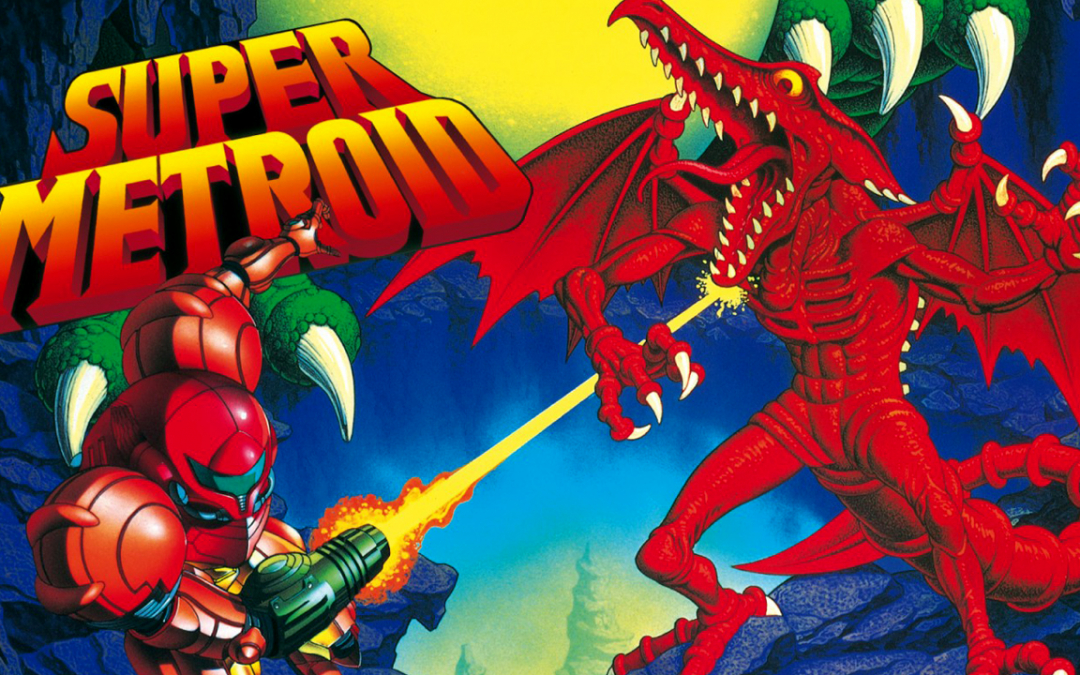
Super Metroid is a 1994 action-adventure game developed by Nintendo and Intelligent Systems and published by Nintendo for the Super Nintendo Entertainment System. It is the third installment in the Metroid series, following the events of the Game Boy game Metroid II: Return of Samus (1991).
Players control bounty hunter Samus Aran, who travels to planet Zebes to retrieve an infant Metroid creature stolen by the Space Pirate leader Ridley.
Following the established gameplay model of its predecessors, Super Metroid focuses on exploration, with the player searching for power-ups used to reach previously inaccessible areas. It introduced new concepts to the series, such as the inventory screen, an automap, and the ability to fire in all directions. The development staff from previous Metroid games—including Yoshio Sakamoto, Makoto Kano and Gunpei Yokoi—returned to develop Super Metroid over the course of two years. The developers wanted to make a true action game, and set the stage for Samus’s reappearance.
Super Metroid received acclaim, with praise for its atmosphere, gameplay, music and graphics. It is often cited as one of the greatest video games of all time. The game sold well and shipped 1.42 million copies worldwide by late 2003. Alongside Castlevania: Symphony of the Night, Super Metroid is credited for establishing the “Metroidvania” genre, inspiring numerous indie games and developers. It also became popular among players for speedrunning. Super Metroid was followed in 2002 by Metroid Fusion and Metroid Prime. It has been re-released on several Nintendo consoles and services.
Medal of Honor is a 1999 first-person shooter video game, developed by DreamWorks Interactive and published by Electronic Arts for PlayStation. It is the first installment in the Medal of Honor video game series. The gameplay features the combined arms warfare of World War II, as the player completes various missions for the Office of Strategic Services.
Medal of Honor’s concept, production and story were created by American film director and producer Steven Spielberg, who had a deep interest in World War II and found further inspiration from watching his son play GoldenEye 007. While in development, the game experienced controversy due to the 1999 Columbine High School massacre, and was criticized by the Congressional Medal of Honor Society for turning a serious topic into a video game. Game producer Peter Hirschmann convinced Medal of Honor Society president Paul Bucha that the project was made with serious and honorable intentions, saving the project from cancellation, and earning Bucha’s endorsement.
Medal of Honor was released to universal acclaim, and has been credited with popularizing the trend of World War II shooters. The game was followed by Medal of Honor: Underground, leading to a widely successful series.
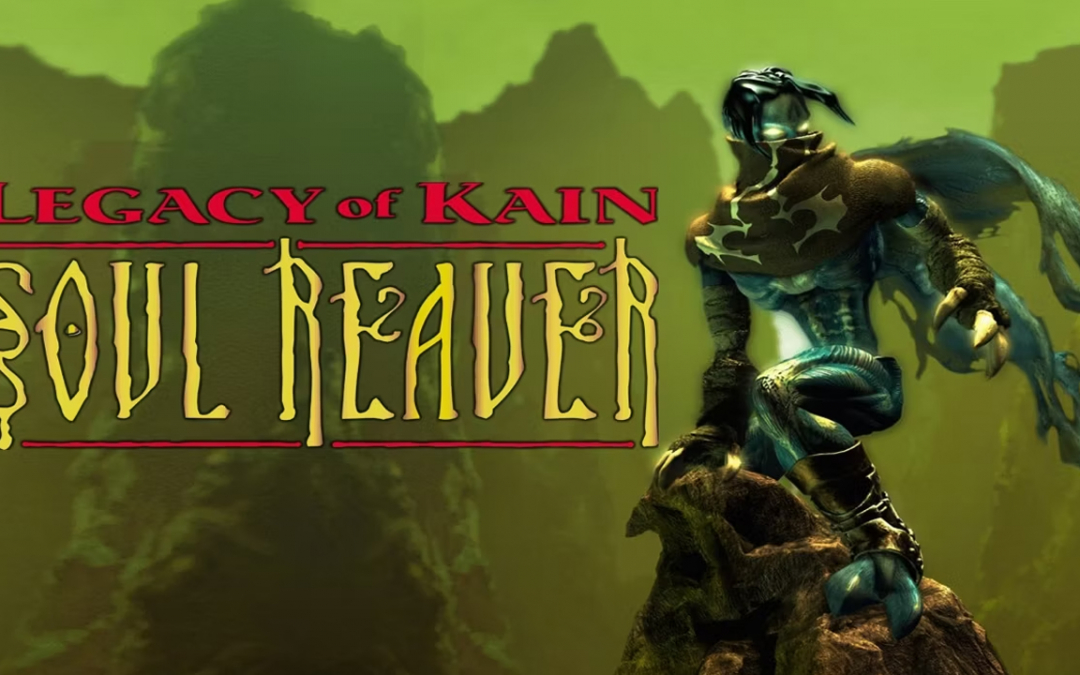
Legacy of Kain: Soul Reaver is an action-adventure video game developed by Crystal Dynamics and published by Eidos Interactive. It was released for the PlayStation and Microsoft Windows in 1999 and for the Dreamcast in 2000.
As the second game in the Legacy of Kain series, Soul Reaver is the sequel to Blood Omen: Legacy of Kain. Soul Reaver was followed by three games, one of which, Soul Reaver 2, is a direct sequel.
Taking place 1500 years after the events of Blood Omen, Soul Reaver chronicles the journey of the vampire-turned-wraith Raziel, lieutenant to the vampire lord Kain. Raziel is killed by Kain, but is revived by The Elder God to become his “soul reaver” and to exact revenge. Raziel shares this title with Kain’s sword, the Soul Reaver, which he acquires during the game.
Crystal Dynamics began development of the game in 1997, but a deteriorating relationship with Silicon Knights, who had developed Blood Omen, created legal problems. This and other delays forced material originally planned for Soul Reaver to be instead released with later games of the series. Soul Reaver was generally well received by critics and praised for its intriguing gothic story and high-quality graphics. However, the game was criticized for simple and repetitive gameplay and an unsatisfying climax. By 2001, the game sold 1.5 million copies worldwide.

 Looking for the best image optimization plugin for WordPress? To help you choose, we went hands-on with five popular options and ran our own tests. See the results of these tests here.